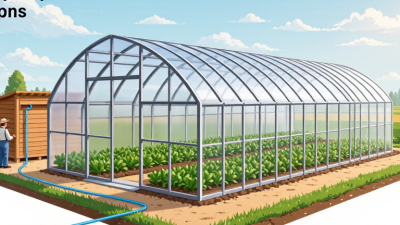
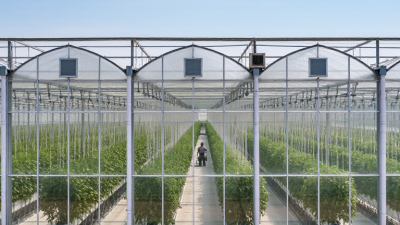
Choosing the best Industrial Greenhouse from China requires more than comparing catalog prices. It demands evidence, climate analysis, and practical supplier verification. The Food and Agriculture Organization reports that agriculture uses roughly 70% of global freshwater withdrawals. Therefore, irrigation design, drainage recovery, and climate control deserve serious attention. A greenhouse that saves water may create greater value than one with the lowest initial cost.
China offers extensive manufacturing capacity, from simple plastic tunnels to automated glass facilities. However, specifications can vary sharply between factories. Ask for tested steel grades, coating thickness, glazing performance, ventilation capacity, and structural calculations. Confirm whether the design matches local wind, snow, humidity, and temperature conditions. Wageningen University & Research has repeatedly highlighted the importance of controlled climate management for improving greenhouse productivity and resource efficiency. This supports a closer review of sensors, screens, heating systems, cooling pads, and fertigation equipment.
Walk through the details.
Request factory videos, project references, installation records, and maintenance procedures. Check whether replacement motors, films, controllers, and spare parts are available in your market. ISO 9001 certification can indicate documented quality processes, but it does not guarantee every component will perform well. That distinction matters. A low quotation may hide weaker galvanized steel, limited technical support, or unclear shipping responsibilities. Even experienced buyers can overlook these risks. The best choice is not always the largest or most automated model. It is the system that fits your crop, climate, labor capacity, energy access, and expansion plan. A careful comparison may feel slower, yet it can prevent expensive redesigns after installation.
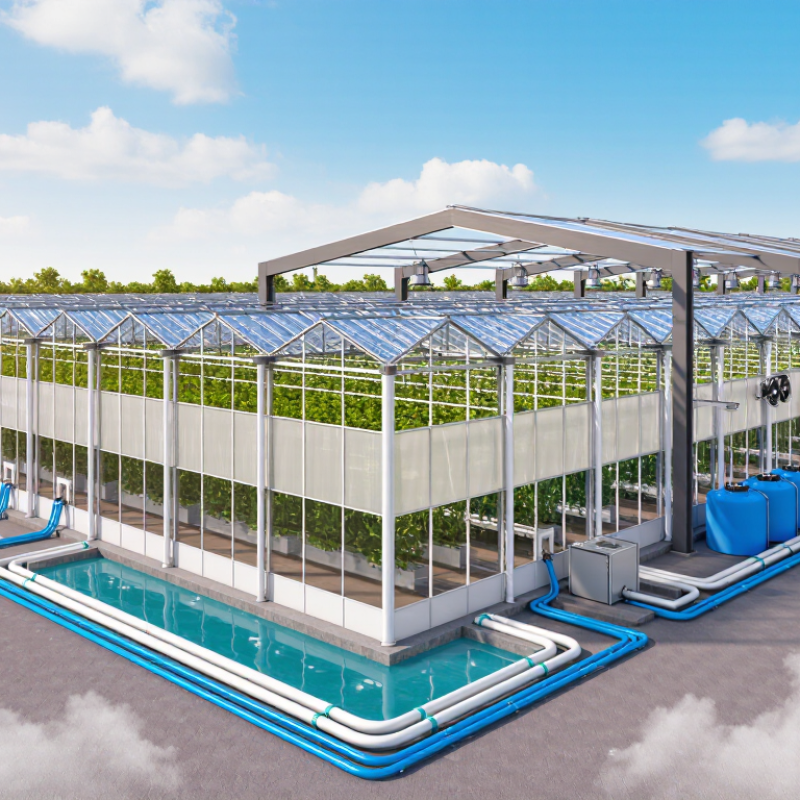
Choosing the best industrial greenhouse from China should start with crop physiology, not frame price. A 20–30°C growth target is useful, but it is not universal. FAO EcoCrop data show that crops respond differently to cultivar, growth stage, and day-night temperature. Tomatoes often need warmer conditions, while lettuce may lose quality above 20°C. Define the crop, cultivar, yield target, and acceptable temperature deviation before requesting quotations.
Divide the greenhouse into climate-control zones. A tomato house may require 22–28°C during the day, while seedlings need tighter control. ASHRAE Handbook—HVAC Applications, 2023, highlights solar radiation, ventilation, humidity, and heating loads as core greenhouse design factors.
Ask Chinese suppliers for calculated cooling capacity, heating output, ventilation volume, shading performance, and control accuracy. Do not accept “smart control” as a specification.
Local weather data matters. Use China Meteorological Administration 1991–2020 climate normals for the project location, then check extreme heat, cold, wind, and humidity. Request simulation results for the hottest afternoon and coldest night. I would also ask for logged data from comparable installations. A 20–30°C setpoint can still fail when humidity stays high or sensors drift. That risk is easy to underestimate. A cheaper structure may become expensive after one difficult season.
How to Choose the Best Industrial Greenhouse from China?
Light transmission should lead the comparison, not the lowest quotation. FAO’s Good Agricultural Practices for Greenhouse Vegetable Crops identifies light availability as a key production factor. For many commercial crops, a covering transmitting 80–90% of incoming light is a practical target. However, ask whether the figure means total solar light or PAR light. The difference matters on cloudy winter days.
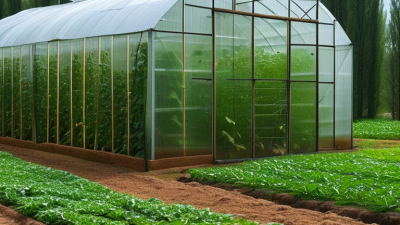
Clear polyethylene film can provide high initial transmission, often around 85–90% when clean and new. Diffused film may reduce direct glare while keeping useful PAR levels. Glass offers excellent clarity, but its weight demands stronger frames and foundations. Multiwall polycarbonate improves insulation, yet its transmission commonly falls below clear film because of internal layers. Check the technical sheet, not the sales image.
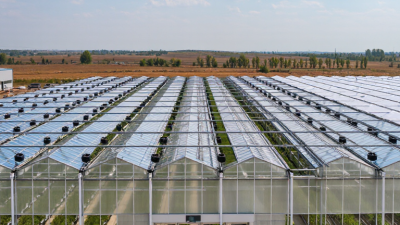
Frame selection changes the real result. Galvanized steel tolerates wind and repeated loading, while excessive columns create shadows. China’s steel greenhouse structures should be checked against local wind, snow, corrosion, and foundation conditions. EN 13031-1 and ASCE 7 provide useful structural reference points, but local engineering review remains necessary. Wageningen University and Research frequently applies the practical rule that each 1% increase in greenhouse light can support roughly 0.7–1% more crop production, depending on crop and climate. It is useful, but not universal. Dust, condensation, aging, and poor ventilation can quietly erase the promised 90%. Request tested transmission data, coating durability records, and a sample bay before ordering.
Technical comparison of common industrial greenhouse frame and covering configurations
| Greenhouse Configuration | Frame Material and Typical Protection | Covering Material | Visible Light Transmission* | Thermal Insulation | Expected Covering Life | Structural and Maintenance Profile | Recommended Industrial Application | Main Advantages | Key Limitations |
|---|---|---|---|---|---|---|---|---|---|
|
Standard Film Greenhouse
Cost-efficient
|
Hot-dip galvanized steel tubes and profiles. A zinc coating of approximately 275 g/m² is commonly used for exposed structural components. |
Single-layer agricultural polyethylene film, usually 150–200 microns thick, with UV stabilization. |
85–90% Clear film normally provides the highest transmission; dust and condensation reduce actual performance. |
Low to moderate. A single air layer offers limited heat retention and requires efficient climate control in cold regions. |
Approximately 2–4 years, depending on UV exposure, wind, snow, installation tension, and film quality. | Good strength-to-cost ratio. Film must be tensioned correctly and inspected for tears, aging, and loose fasteners. | Seasonal vegetables, nurseries, flowers, and projects where low initial investment and easy replacement are priorities. |
|
Shorter covering life, weaker insulation, and greater sensitivity to wind damage than rigid coverings. |
|
Double-Inflated Film Greenhouse
Balanced performance
|
Hot-dip galvanized steel frame with corrosion-resistant purlins, gutters, and bracing. | Two layers of polyethylene film inflated by a low-pressure air blower. |
80–88% The second film layer and air space slightly reduce light transmission. |
Moderate to good. The inflated air layer typically improves heat retention compared with single-layer film. |
Approximately 2–4 years for each film layer; the blower and air tubes require regular checks. | Stronger energy performance than single film. The inflation system needs continuous or scheduled operation and backup planning. | Commercial vegetable production, seedling facilities, and multi-span houses in regions with moderate winters. |
|
Requires a blower, airtight installation, and regular maintenance; transmission is normally below clear single film. |
|
Twin-Wall Polycarbonate Greenhouse
Energy-saving
|
Hot-dip galvanized steel or aluminum frame with reinforced roof members and sealed panel edges. | Multiwall polycarbonate panels, commonly 6–10 mm thick, with UV-protective treatment on the outdoor surface. |
75–85% Clear twin-wall panels can approach the upper end; thicker or multiwall panels transmit less light. |
Good. Typical 6–10 mm twin-wall panels provide substantially better insulation than single glass or single film. |
Approximately 10–15 years for quality panels when correctly installed and protected from UV and impact. | Rigid panels provide good impact resistance and stable operation. Expansion gaps, sealing tape, and drainage details are essential. | Year-round vegetables, nurseries, research facilities, and locations requiring better insulation and impact resistance. |
|
Lower light transmission than clear glass, possible condensation inside flutes, and higher initial cost than film. |
|
Tempered Glass Greenhouse
High-light option
|
Hot-dip galvanized steel or aluminum structure designed for the weight and wind load of glass panels. | Single tempered horticultural glass, commonly about 4 mm thick; double glazing can be used where insulation is more important. |
88–92% for clear single glass. Low-iron glass can be higher, while double glazing and coatings reduce transmission. |
Low for single glazing; moderate to good for double glazing. Single glass has a typical U-value near 5.7 W/m²K, while insulated double glazing is much lower. |
Approximately 20–30 years or more when panels, seals, and framing are properly maintained. | Excellent light stability and easy cleaning. It is heavy and requires accurate structural design, safe handling, and seal maintenance. | High-value flowers, tomatoes, cucumbers, research facilities, and installations where maximum light and long service life are important. |
|
Higher frame and foundation requirements, greater weight, higher installation cost, and risk of breakage under severe impact. |
|
ETFE Film Greenhouse
Specialized system
|
Engineered galvanized steel or aluminum frame with an air-supported cushion or tensioned membrane system. | ETFE fluoropolymer film, generally installed as a single membrane or multi-layer cushion. |
90–95% for clear ETFE film. Patterned, printed, or multi-layer systems can provide lower transmission and solar control. |
Moderate for a single membrane; good for multi-layer air cushions. | Approximately 20–30 years or more, subject to design, UV exposure, cleaning, and membrane tension. | Very lightweight and highly resistant to many chemicals and UV exposure. Specialist design, welding, anchoring, and air-management systems are required. | Large-span botanical facilities, high-light specialty crops, demonstration projects, and projects with demanding architectural or optical requirements. |
|
Higher engineering complexity and installation cost; specialist repair and membrane fabrication may be required. |
|
Hybrid Film–Polycarbonate Greenhouse
Targeted optimization
|
Hot-dip galvanized steel frame with reinforced end walls, service areas, and high-wind zones. | Polycarbonate panels on end walls or lower sections, combined with single or double-inflated polyethylene film on the roof. |
80–90% Actual performance depends on the proportion of film and polycarbonate, panel thickness, coatings, and cleanliness. |
Moderate to good. Rigid wall sections improve durability and heat retention while the film roof maintains a relatively high light level. |
Film roof: approximately 2–4 years. Polycarbonate sections: approximately 10–15 years. |
Good compromise between light, cost, and durability. Different materials require compatible expansion, sealing, and drainage details. | Commercial farms needing durable walls, improved wind protection, and a controlled budget without fully glazing the structure. |
|
Mixed materials complicate detailing and maintenance; the film roof still has a shorter replacement cycle. |
Technical note: Light-transmission values are typical ranges for clean covering materials measured under laboratory or standard product conditions. Actual greenhouse transmission is lower and varies with frame shadowing, roof angle, condensation, dust, aging, shading screens, coatings, and the position of the sun. For an 80–90% target, request the covering thickness, optical test method, warranty, UV stabilization details, structural wind and snow calculations, and the complete greenhouse system performance rather than relying only on a material brochure value.
Choosing the best industrial greenhouse from China begins with local climate data, not catalog photos. A coastal site may face humid air, strong winds, and sudden heat spikes. An inland site may need winter heating and protection from freezing nights. Ask the supplier for airflow rates, fan capacity, heating output, cooling-pad efficiency, and tested operating conditions. Vague figures create expensive surprises.
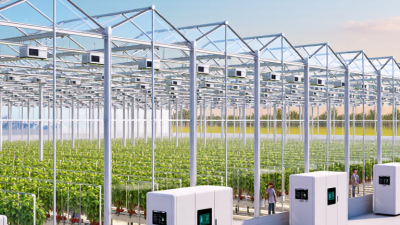
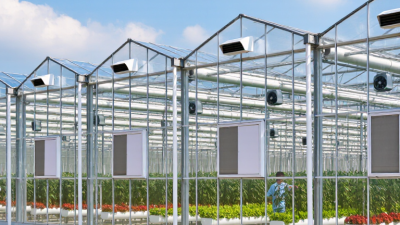
Ventilation should match both greenhouse volume and crop moisture load. In a hot, humid region, roof vents, side vents, and exhaust fans must work together. Measure air changes per hour, not only fan quantity. For example, a 1,000-square-meter greenhouse needs enough extraction to remove heat around dense tomato foliage. Screens can reduce airflow. This detail is often missed. Check whether the control system adjusts vents and fans separately during changing weather.
Heating design should reflect the coldest local night, fuel availability, and pipe heat loss. Cooling capacity depends on solar radiation, humidity, pad area, water quality, and backup power. A humid climate may gain little from evaporative pads, even when the equipment looks powerful. Request load calculations and commissioning records, then compare them with an independent engineer’s review. I would also test alarms and manual controls before full planting. Manufacturers may overstate performance. My own mistake was trusting peak capacity without checking real operating temperatures. That lesson still matters.
Field conditions are demanding. Condensation can cover humidity sensors, while dust may affect light readings. A poorly placed temperature probe can measure warm air near a heating pipe. Request a live demonstration with independent meters. Compare readings during irrigation, ventilation, and strong sunlight. A reliable control system should record raw data, show alarm history, and allow manual operation when readings become doubtful.
Small errors can grow. A 3% moisture error may trigger irrigation too early across a large growing zone. That can increase water use and weaken root conditions. I would not accept a low percentage blindly. Ask how often sensors are checked and who performs calibration. Keep spare probes available.
Automation saves labor, but it does not replace observation. A technician should still inspect leaves, soil texture, condensation, and drainage. The uncomfortable truth is simple: even accurate sensors cannot fix poor placement or incomplete crop settings.
Choosing an industrial greenhouse from China requires more than comparing quotations. Verify the supplier through documented standards, warranty terms, and total cost of ownership.
Request structural calculations, material specifications, and inspection records. EN 13031-1 covers greenhouse design and structural safety. ISO 9001 certification can support process control, but it does not prove product quality. Ask who issued the certificate. Check its validity.
The 2024 Global Status Report for Buildings and Construction states that buildings and construction consume 32% of global energy. This highlights why ventilation, heating, shading, and automation deserve careful review. A cheaper frame may create higher energy costs later.
Warranty language needs practical detail. Confirm coverage periods for steel corrosion, glass or panels, motors, controllers, and irrigation components. Ask whether labor, shipping, and replacement parts are included. Define response times for failures.
Some contracts sound strong but exclude humidity, wind, installation errors, or normal wear. That is where buyers often lose control. I would not accept “lifetime technical support” without written service levels.
Calculate total cost over at least ten years. Include purchase price, inland transport, customs, installation, energy, water, maintenance, spare parts, and crop losses during downtime.
FAO’s State of Food and Agriculture reports that agrifood systems generated about 31% of global greenhouse gas emissions in 2019. Efficiency is not a decorative feature.
Request three comparable project references, inspect one if possible, and use an independent engineer for final verification. Mistakes still happen. The goal is to make them expensive only on paper.