Plastic Film Greenhouse

China Best Multi Span Greenhouse Supplier?

Choosing the China Best Multi-Span Greenhouse Supplier requires more than comparing prices or browsing attractive project photos. A reliable supplier should demonstrate engineering experience, verified materials, transparent production records, and strong after-sales support. The right structure must match local wind, snow, temperature, crop, and irrigation conditions.

Professor Leo Marcelis of Wageningen University & Research states, “A greenhouse is a production system, not simply a covered field.” This principle matters when evaluating every Multi-Span Greenhouse supplier. A greenhouse may look impressive in a catalog, yet perform poorly without suitable ventilation, shading, climate control, and drainage. Small details matter. Galvanized steel thickness, gutter design, film quality, and motor reliability can affect many harvests.

Chinese manufacturers offer competitive fabrication, customized layouts, and broad component choices. However, “best” is not automatically the cheapest. That assumption needs questioning. Buyers should request material certificates, structural calculations, factory photographs, reference projects, and clear warranty terms. They should also confirm whether installation guidance and replacement parts are available in their region.

A practical supplier comparison should include crop performance, energy use, maintenance access, and response time. Ask difficult questions. Test the answers. An honest supplier will explain limitations instead of promising perfect results. This introduction examines how to identify a dependable China Multi-Span Greenhouse supplier through technical evidence, project experience, communication quality, and long-term operating value. Mistakes can still occur. Careful verification reduces their cost.
China Best Multi Span Greenhouse Supplier?

What Is a Multi-Span Greenhouse?

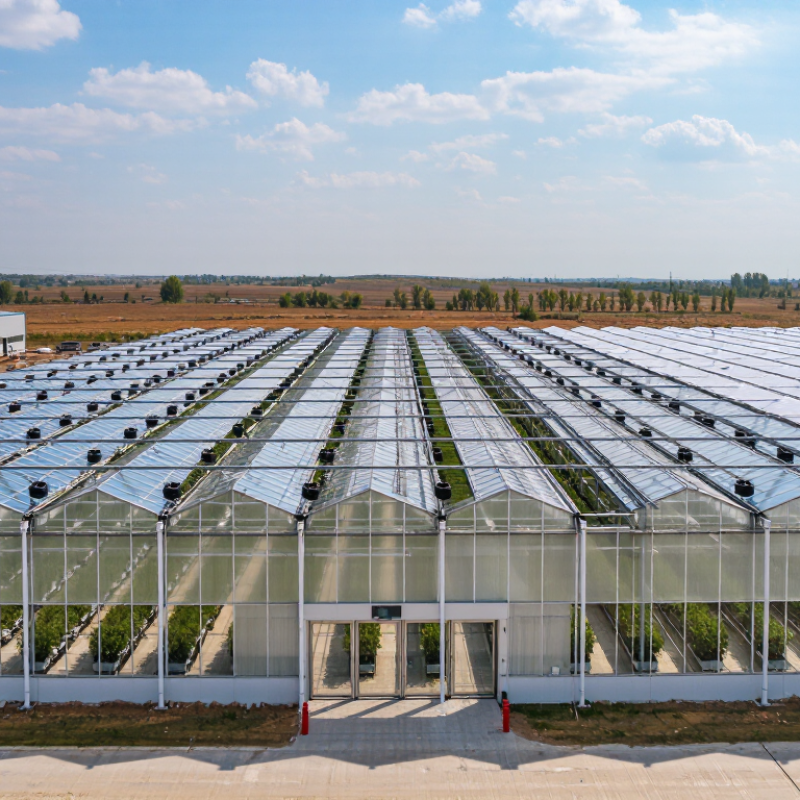
A multi-span greenhouse is a connected structure made of several greenhouse bays. Each bay shares side gutters with the next one. This design creates a wide growing space under one continuous roof system. Unlike a single-span house, it uses fewer internal walls and supports larger-scale production.

The structure usually includes steel frames, transparent covering, gutters, ventilation systems, and climate controls. Roof vents release hot air near the ridge. Side curtains can improve airflow on warm days. Internal screens help manage light, humidity, and temperature. In a working greenhouse, these details matter. A closed vent during midday can quickly create leaf moisture and heat stress.

Multi-span greenhouses suit vegetables, flowers, seedlings, and research crops. Their size can improve labor movement and irrigation efficiency. However, expansion is not always simple. Poor drainage, weak ventilation, or unsuitable snow-load design may create expensive problems. I have found that drawings often look perfect, but daily operation reveals hidden weaknesses. A reliable supplier should explain local wind, rainfall, crop height, foundation, and maintenance requirements. They should also provide clear technical documents and realistic performance limits. Bigger is not automatically better.

Key Features of Multi-Span Greenhouse Systems

China Best Multi Span Greenhouse Supplier?

Key Features of Multi-Span Greenhouse Systems

A multi-span greenhouse connects several growing bays under one continuous structure. This design uses land efficiently and simplifies daily movement between crops. Strong galvanized steel frames support the roof and resist moisture, wind, and repeated use. However, frame strength depends on local climate data, not appearance alone. A reliable supplier should provide load calculations and material specifications.

Climate control is central to stable production. Roof vents, side curtains, circulation fans, and cooling pads manage heat and humidity. Automated sensors can adjust ventilation when temperatures change quickly. Drip irrigation delivers water near each plant’s roots. Fertilizer dosing systems can improve consistency, but they need regular calibration. Small errors may spread across every growing bay.

Light transmission also affects crop performance. Clear coverings support winter growth, while diffused materials reduce harsh shadows and leaf stress. The internal layout should leave enough space for carts, workers, and maintenance access. Do not ignore drainage. Standing water can damage roots and weaken surrounding soil. Experienced project planning includes snow, wind, local sunlight, crop height, and future expansion. No system is perfect. A lower initial cost may create higher repair expenses later. Suppliers should offer installation guidance, testing records, and clear maintenance instructions. These details make a greenhouse easier to operate and easier to trust.

How to Evaluate a Greenhouse Supplier

China Best Multi Span Greenhouse Supplier?

How to Evaluate a Greenhouse Supplier

Choosing a multi-span greenhouse supplier requires more than comparing prices. Study the supplier’s engineering experience, factory capacity, and completed projects. Ask for drawings showing span width, roof height, load calculations, ventilation, and drainage. A reliable team should explain why each specification suits your climate.

Ask for proof.

Request installation photos, client references, material certificates, and a detailed quotation. Check the steel coating thickness, film grade, gutter design, motor ratings, and spare-parts list. For snowy or windy regions, confirm local structural calculations instead of accepting general claims. Visit the production site when possible. Observe welding quality, storage conditions, and quality-control records.

Communication also reveals expertise. Can the supplier answer questions about humidity, crop spacing, shading, and maintenance? Do engineers revise drawings after receiving your site data? Clear responses matter more than fast promises. Include delivery terms, inspection procedures, warranty limits, and after-sales responsibilities in writing. A low quotation may exclude foundations, cables, or installation labor. That mistake becomes expensive later.

Some suppliers appear highly capable online but provide weak technical documents. I have learned that attractive images prove little. Allow time for independent checks. No evaluation is perfect, especially when soil reports or climate records are incomplete. Reconsider assumptions before signing, and compare the proposed system with actual growing conditions, not showroom appearance.

Factors for Choosing China-Based Suppliers

China Best Multi Span Greenhouse Supplier?

Choosing a China-based multi-span greenhouse supplier requires more than comparing prices. I have learned that a low quotation can hide weaker steel, unclear installation terms, or costly spare parts. Ask for detailed drawings, material grades, coating thickness, and calculations for local wind and snow loads. A reliable supplier should explain ventilation, drainage, shading, irrigation, and climate-control options clearly. Request factory photos, production records, inspection reports, and references from similar climates. These details reveal practical experience, not just polished sales language.

Tips: Check a physical sample before ordering. Confirm every specification in writing. Use an independent inspection when possible. Ask who handles installation training and after-sales support. Also, compare packaging methods and delivery schedules. Small omissions can create large delays.

Do not judge technical quality from a catalog alone. Review the supplier’s quality-control process, including welding checks, galvanized steel testing, and final assembly inspection. Confirm that electrical components can meet your local requirements. A transparent supplier will discuss limitations instead of promising perfect results. I once underestimated foundation preparation, and the correction affected both cost and schedule. That mistake changed my evaluation method. Now, I ask for a complete foundation plan, load data, warranty boundaries, and a spare-parts list before signing. Clear communication matters as much as greenhouse design.

Factors for Choosing a China-Based Multi-Span Greenhouse Supplier

This 100-point procurement framework prioritizes structural performance, climate suitability, total cost, production quality, and after-sales support. Buyers should verify load calculations, corrosion protection, ventilation design, factory quality systems, installation capability, and warranty terms before selecting a supplier. The percentages represent a practical evaluation model rather than company or brand market-share data.

Steps to Purchase and Install a Multi-Span Greenhouse

China Best Multi Span Greenhouse Supplier?

Steps to Purchase and Install a Multi-Span Greenhouse

Purchasing a multi-span greenhouse starts with the growing plan, not the supplier’s catalog. Define the crops, planting area, local climate, and expected production cycle. Ask for structural drawings, material specifications, wind and snow-load calculations, and ventilation details. A reliable supplier should explain these documents clearly.

Compare galvanized steel thickness, film or glass options, drainage design, and spare-part availability. Cheap materials may create expensive repairs later.

Tips: Request a site assessment before signing. Check soil strength, drainage, electricity, water access, and delivery routes. Keep every specification in writing. Include installation training, inspection standards, and warranty terms in the contract. Do not rely on attractive pictures alone.

Installation requires accurate foundations and careful alignment. Measure anchor positions twice before pouring concrete. After the frame is erected, inspect every bolt, gutter, curtain, fan, and sensor.

Test ventilation during calm weather, then review performance under stronger conditions. In practical projects, small gaps around doors can waste surprising amounts of energy.

A perfect plan rarely survives the site; revise it when measurements disagree. Allow time for staff training, because advanced controls are useless when operators cannot adjust them confidently. Record maintenance dates and replace damaged components before they affect the crop.