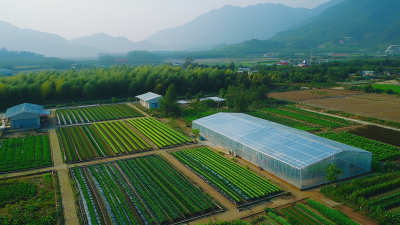
Plastic Film Greenhouse

What Are the Top Nursery Greenhouse Suppliers?

Choosing the right Nursery Greenhouse supplier can shape crop quality, labor costs, and long-term business stability. This guide examines leading suppliers through practical evidence, not impressive catalogs alone. It compares greenhouse structures, covering materials, ventilation systems, irrigation options, automation, delivery support, and after-sales service.

Paul Fisher, a greenhouse production specialist at the University of Florida, offers a useful reminder: “A greenhouse is a tool, not a guarantee of crop quality.” That principle matters when evaluating suppliers. A strong structure cannot rescue poor climate control, weak installation, or unsuitable crop planning. Buyers should examine thermal screens, roof design, airflow, snow and wind ratings, and local climate data. Small details matter. A poorly sealed door can waste energy every day.

The article will compare top Nursery Greenhouse suppliers by product range, engineering experience, customization, warranty terms, and customer support. It will also consider supplier reliability during installation and maintenance. References from growers can reveal problems that brochures hide. Ask about replacement parts. Ask about response times.

No supplier fits every nursery. A low-cost model may suit seasonal production, while a commercial operation may need automation and precise environmental controls. I may also overvalue technical features if practical service is ignored. That is an important limitation. The best choice depends on crop type, site conditions, budget, labor availability, and expansion plans. This review aims to make that decision clearer, while recognizing that even experienced buyers can miss costly details.
What Are the Top Nursery Greenhouse Suppliers?

What Makes a Nursery Greenhouse Supplier Reliable?

Reliable nursery greenhouse suppliers begin with questions, not glossy product photos. They ask about crop height, local wind, snow, humidity, water quality, and daily labor. That practical assessment shows experience. An appropriate structure should include clear load calculations, corrosion protection, ventilation rates, shading options, and drainage details. Vague promises are warning signs.

Before ordering, growers should request drawings, material specifications, and a realistic installation schedule. Useful suppliers explain what their warranty covers, including film, motors, frames, and workmanship. Ask about spare parts availability, technician response times, and staff training. These details matter when a vent fails during a hot afternoon. Silence is costly.

References from comparable nurseries can reveal more than polished sales material. Contact growers who use similar greenhouse sizes and crops. Ask whether delivery was accurate, installation stayed organized, and support continued after payment. A reliable supplier also provides measurable performance data, not only claims about higher yields. However, no supplier gets every detail right. Soil conditions, changing weather, and labor shortages can expose weak planning. I would treat a low quote carefully if it excludes foundations, transport, or electrical work. A dependable partner admits these limits and adjusts the design before construction begins.

Which Types of Nursery Greenhouses Do Suppliers Offer?

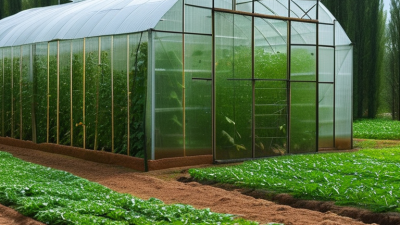
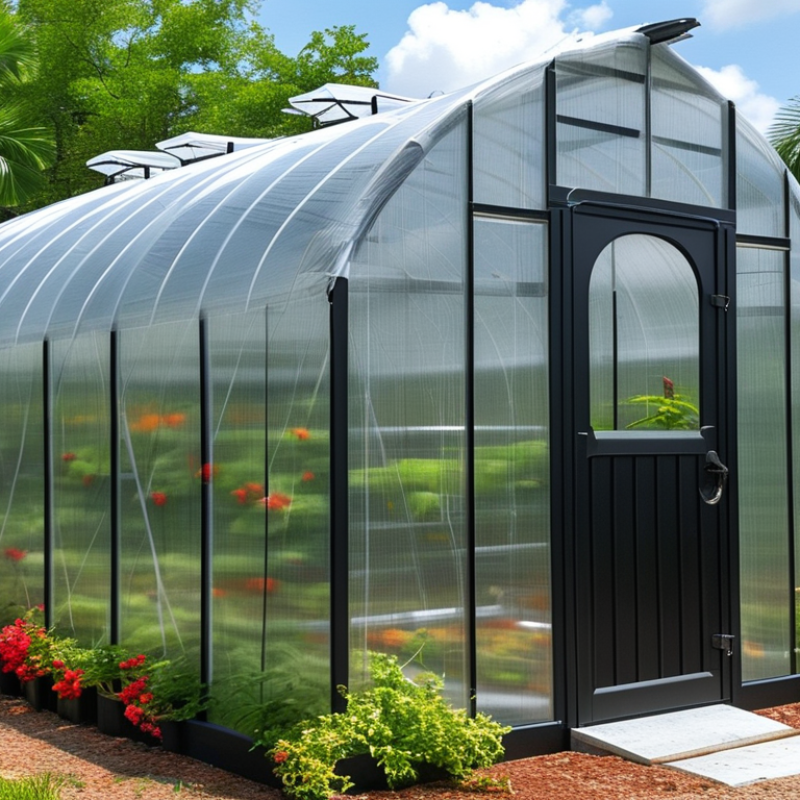
Nursery greenhouse suppliers usually offer several structures, because crops differ in height, climate needs, and turnover speed. The main options include plastic-film houses, polycarbonate houses, glass houses, and gutter-connected designs. Plastic film is lightweight and affordable. It suits seasonal propagation and budget-conscious growers. Polycarbonate panels provide stronger insulation and resist repeated handling. Glass houses deliver excellent light transmission, but their frames and installation costs are higher.

Suppliers also provide specialized nursery systems. Venlo-style glass houses support precise climate control and automated ventilation. Shade houses protect young plants from intense sunlight while maintaining airflow.

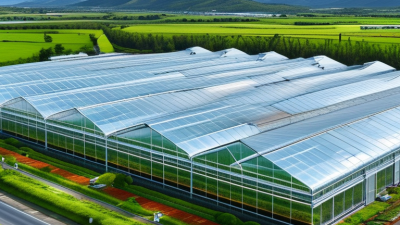
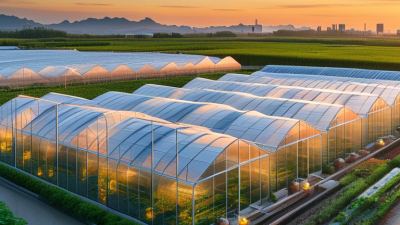
Multi-span greenhouses connect several bays, improving labor movement and heating efficiency. The choice should reflect local wind, snow, humidity, and crop height. A seedling house needs different ventilation from a house growing ornamental shrubs.

Industry data supports this broad product mix. Grand View Research estimated the global greenhouse market at about USD 39.6 billion in 2023, with continued growth expected through the decade. MarketsandMarkets has also identified automation and controlled-environment production as major market drivers. Yet forecasts are not guarantees. Energy prices can change payback periods quickly. I have seen low-cost film structures require earlier replacement than expected. Suppliers should therefore provide material warranties, ventilation specifications, and real installation references. A polished brochure is not enough. Performance depends on details, including door sealing, drainage, bench spacing, and the quality of local service.

How to Compare the Top Nursery Greenhouse Suppliers

Comparing nursery greenhouse suppliers starts with the crop, climate, and daily workflow, not glossy product photographs. A reliable supplier should explain how its structures handle local wind, snow, heat, humidity, and drainage. Ask for engineering documents, material specifications, warranty terms, and installation records from similar growing sites. Short answers are a warning sign.

Visit a working nursery if possible. Look closely at galvanized frames, door alignment, ventilation motors, shade screens, and gutter joints. Ask growers how quickly replacement parts arrived after a failure. Their experience often reveals more than a sales presentation.

Compare usable growing area, not only the quoted floor size. Check whether benches, irrigation lines, heating systems, and sensors fit without awkward changes. Supplier expertise should include crop planning, energy use, pest exclusion, and seasonal maintenance.

Request itemized quotations with freight, foundation work, commissioning, training, and future service separated. Compare expected service life against the cheapest initial price. A low bid can become expensive when seals crack or controls lack support.

Independent references and clear testing records strengthen confidence, although documents may not show every site problem. I would also ask for a written response time during peak season. That detail is easy to overlook.

No supplier is perfect; even a strong design may need adjustments after the first hot summer. Leave room for measured feedback, spare parts, and practical changes as the nursery grows.

What Factors Affect Greenhouse Supplier Selection?

What Are the Top Nursery Greenhouse Suppliers?

Choosing a nursery greenhouse supplier requires more than comparing quoted prices. The best choice depends on local climate, crop type, production scale, and available labor. A coastal nursery may need corrosion-resistant frames, while a dry inland site may prioritize ventilation and shade control. Ask for structural drawings, material specifications, and documented load ratings. These details reveal whether the design fits real weather conditions.

Reliability also depends on installation and after-sales support. Experienced suppliers should explain delivery schedules, assembly procedures, spare-part access, and warranty limits in clear language. Visit operating nurseries when possible. Look closely at door alignment, drainage channels, film tension, and condensation marks. Small defects can become expensive during a busy growing season. Request references from growers with similar crops and greenhouse sizes. Their maintenance records often provide more useful evidence than polished sales materials.

Energy performance deserves careful attention. Compare heating, cooling, irrigation, and lighting requirements before accepting a standard package. A cheaper structure may consume more energy every month. That difference can outweigh the initial saving. Suppliers should provide realistic performance estimates, not only ideal laboratory figures. Some recommendations may still be imperfect because local weather changes quickly. I would leave room for trial sections, sensor monitoring, and later adjustments. No supplier is perfect. Clear communication, measurable specifications, and responsive technical help usually matter more than impressive promises.

What Are the Top Nursery Greenhouse Suppliers? - What Factors Affect Greenhouse Supplier Selection?

Supplier Profile Primary Nursery Application Typical Structure Climate Suitability Key Equipment Included Automation Capability Indicative Project Scale Selection Priority
Commercial turnkey supplier Large-scale propagation, container plants, and young trees Multi-span galvanized steel greenhouse with dedicated service areas Moderate, cold, and warm regions when engineered for local loads Heating, cooling, irrigation, screens, ventilation, and fertigation High; centralized climate and irrigation control is commonly available Usually more than 5,000 m² Best for standardized large projects and single-source accountability
Propagation-specialist supplier Seedlings, cuttings, plugs, and grafted plants High-control glass or polycarbonate bays with clean workflow zones Regions requiring precise temperature and humidity management Propagation benches, misting, fogging, blackout, heating, and air circulation High; supports recipe-based climate control and sensor feedback Approximately 1,000–20,000 m² Best when uniformity, rooting success, and disease prevention are critical
Climate-control integrator Nurseries facing extreme heat, cold, humidity, or seasonal variation Structure selected around ventilation, shading, heating, and cooling demand Hot, arid, humid, windy, or cold climates Ridge vents, circulation fans, evaporative cooling, thermal screens, and heating Very high; integrates multiple environmental systems About 2,000–50,000 m² Best where energy use and stable crop conditions determine profitability
Modular greenhouse supplier Small and medium nurseries, seasonal expansion, and trial production Single-span or modular multi-span structures designed for phased growth Mild to moderate climates with manageable snow and wind loads Manual or motorized ventilation, shade cloth, benches, and basic irrigation Low to medium; automation can usually be added later Approximately 250–5,000 m² Best for lower initial investment and flexible expansion
Local custom fabricator Specialty plants, unusual site layouts, and retrofit projects Customized steel or aluminum structure adapted to local conditions Best when local engineering and site knowledge are important Usually structure, doors, vents, benches, and selected irrigation components Medium; depends on subcontractors and control-system compatibility Approximately 100–10,000 m² Best for site-specific requirements, service access, and local support
Sustainable greenhouse specialist Nurseries prioritizing water efficiency, energy reduction, and resource reuse High-efficiency structure with environmental systems selected for lifecycle performance Regions with high energy prices or water restrictions Rainwater collection, recirculating irrigation, thermal screens, and efficient heating High; tracks water, energy, climate, and irrigation data Approximately 1,000–30,000 m² Best for measurable operating-cost and environmental targets
Turnkey irrigation and fertigation supplier Container nurseries and crops requiring precise water and nutrient delivery Compatible with new or existing greenhouse structures All climates, subject to suitable water treatment and filtration Filters, pumps, dosing units, valves, sensors, booms, and drip systems High; supports EC, pH, flow, and moisture monitoring From small blocks to multi-zone commercial sites Best when water uniformity, fertilizer accuracy, and runoff reduction matter
Retrofit and modernization supplier Existing nurseries requiring productivity or energy improvements Upgraded existing structure with new controls, screens, vents, or irrigation Suitable where the existing structure remains structurally sound Climate sensors, control panels, motors, screens, irrigation, and lighting upgrades Medium to high; depends on existing equipment and communication protocols Usually 500–25,000 m² of existing production area Best for improving output without replacing the complete greenhouse

Key Factors Affecting Greenhouse Supplier Selection

Selection Factor What to Evaluate Why It Matters Suggested Weight
Climate and structural engineering Local wind, snow, seismic, rainfall, temperature, and humidity conditions Determines safety, durability, crop protection, and compliance with local codes 20%
Crop and nursery workflow fit Plant type, propagation stage, bench layout, aisle width, pot sizes, and handling flow Improves labor efficiency, plant uniformity, and usable production area 15%
Climate-control performance Ventilation capacity, shading, heating, cooling, humidity control, and air movement Supports consistent growth and reduces heat, frost, and disease risks 15%
Irrigation and fertigation accuracy Water uniformity, filtration, dosing precision, drainage, and recirculation options Affects root health, fertilizer use, water consumption, and runoff 12%
Total cost of ownership Purchase price, installation, utilities, maintenance, replacement parts, and labor A lower initial price may result in higher long-term operating costs 12%
Automation and integration Sensor compatibility, remote access, alarms, data logging, and system expandability Reduces manual decisions and enables data-based crop management 10%
Installation and after-sales service Commissioning, training, warranty response, spare parts, and local technicians Reliable support limits downtime and protects production schedules 10%
Delivery schedule and supplier capacity Design workload, manufacturing capacity, shipping, permits, and installation timeline Delays can affect planting dates, seasonal sales, and project financing 6%

How to Choose the Best Supplier for Your Nursery Needs

Choosing the Best Nursery Greenhouse Supplier

The best nursery greenhouse supplier should fit your crops, climate, and daily workflow. A supplier with strong technical knowledge can recommend suitable coverings, ventilation, benches, irrigation, and shading systems. Ask for clear product specifications, load ratings, warranty terms, and installation requirements. Do not rely on attractive photographs alone. A greenhouse may look excellent but perform poorly in humid, windy, or cold conditions.

Tips:

Request references from nurseries growing similar plants. Visit an operating greenhouse if possible. Compare delivery schedules, replacement-part access, and after-sales support. Ask who will inspect the structure after installation. A dependable supplier should explain maintenance tasks without using confusing language. Check whether staff can help adjust airflow, temperature control, and irrigation settings as crops mature. Small details matter.

Cost is important, but the lowest quotation can hide weak materials or limited service. Review the total ownership cost, including repairs, energy use, labor, and future expansion.

Experienced growers often notice practical problems that catalogs miss, such as narrow walkways or difficult drainage points. I once underestimated door placement; moving equipment became frustrating later. That mistake still influences how I assess greenhouse layouts. Leave room for honest questions and changing production plans. Suppliers who welcome technical scrutiny usually offer more reliable guidance.