Best Industrial Greenhouses in China for Global Buyers?
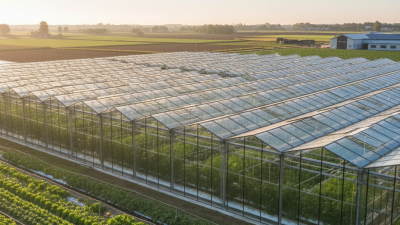
The growing demand for sustainable agriculture is transforming the Industrial Greenhouse sector in China. According to a report by MarketsandMarkets, the global industrial greenhouse market is expected to reach $45.5 billion by 2025. This represents a robust annual growth rate of 10.3%. China is playing a critical role in this expansion, leveraging its technological advancements and agricultural practices.
Dr. Li Wei, a noted expert in greenhouse technology, states, “The integration of innovative designs in Industrial Greenhouses can significantly enhance crop yields.” His insights emphasize that modern Industrial Greenhouses can optimize resource usage while maximizing production. However, the reliance on technology raises questions about sustainability and operational costs.
Many existing structures could improve efficiency. The challenge lies in balancing technology and traditional agricultural wisdom. This dynamic landscape presents opportunities and challenges for global buyers. Understanding these complexities is essential for making informed decisions in the Industrial Greenhouse market.
Overview of Industrial Greenhouses in China
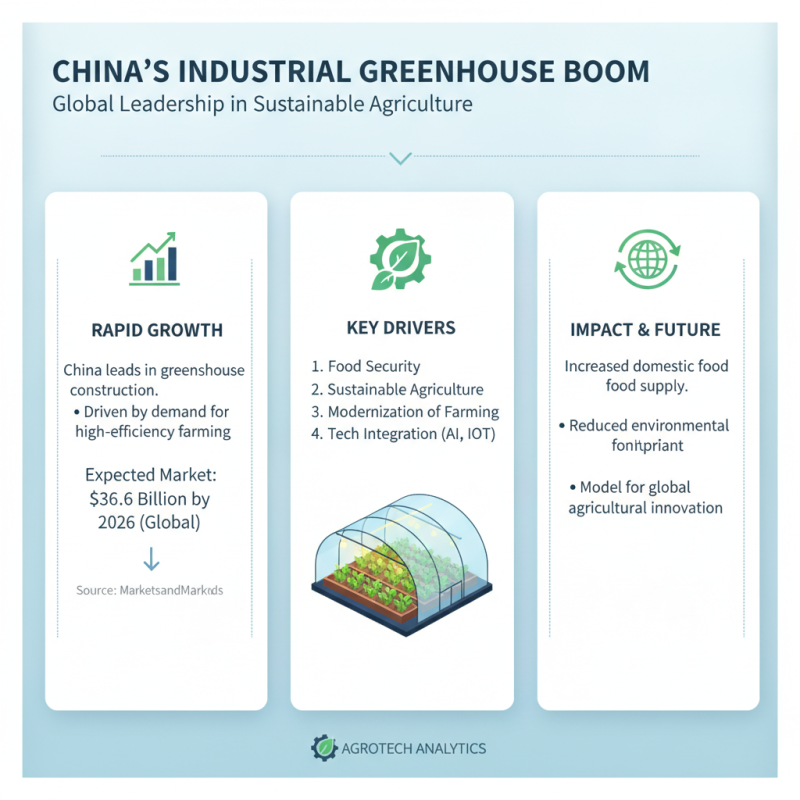
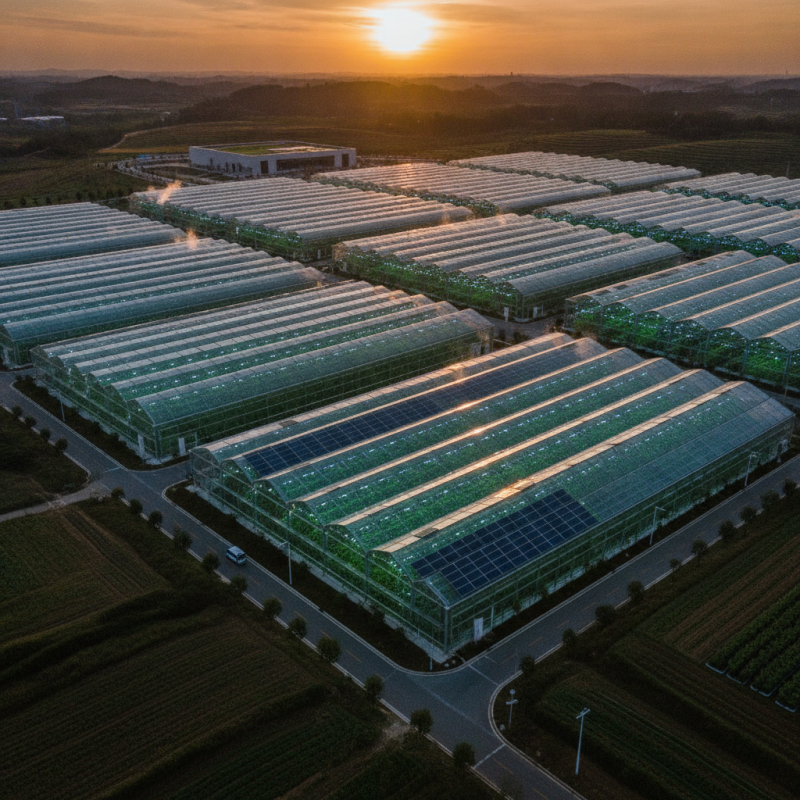
China has rapidly become a leader in the construction of industrial greenhouses. The demand for high-efficiency agricultural production is driving this growth. According to a report by MarketsandMarkets, the global greenhouse market is expected to reach $36.6 billion by 2026, with significant contributions from China. This trend reflects China's commitment to increasing food security and sustainable agriculture.
Industrial greenhouses in China vary greatly in design and technology. Many facilities utilize advanced materials like polycarbonate and tempered glass, which enhance light diffusion and energy efficiency. Data from the China Agricultural Machinery Industry Association shows that, in 2022, over 60% of Chinese greenhouses were equipped with automated environmental control systems. However, this shift towards automation presents challenges, such as the high initial investment costs and the need for skilled labor to manage these sophisticated systems.
Despite these advancements, issues remain. Some local greenhouse manufacturers struggle with quality control and innovation. A significant number of greenhouses operate below optimal conditions, underscoring the need for improved training and technology adoption. The industrial greenhouse sector in China is vibrant, yet it faces hurdles that require ongoing reflection and improvement to meet global standards.
Key Features of Top Industrial Greenhouses
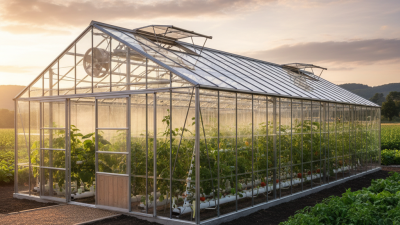
Industrial greenhouses in China are becoming a focal point for global buyers. They offer advanced features tailored to enhance crop yields while ensuring sustainability. One notable feature is climate control technology, which accounts for up to 80% efficiency in resource usage, according to industry reports. These greenhouses utilize automated systems that can adjust temperature and humidity based on real-time data, promoting optimal growing conditions.
Another key aspect is the use of high-quality materials. Many structures are built with UV-resistant polycarbonate, which not only ensures durability but also improves light transmission by about 90%. This is critical for plant growth, as adequate light exposure directly correlates with crop output. Furthermore, advanced irrigation systems, such as drip irrigation, have shown to reduce water usage by up to 50%, underscoring a commitment to sustainability.
However, challenges remain. The initial investment in such technology can be significant, often deterring smaller farmers. Not all greenhouses are designed with scalability in mind, creating barriers for diverse agricultural practices. Buyers must consider these factors to align with their long-term strategies.
Leading Manufacturers of Industrial Greenhouses in China
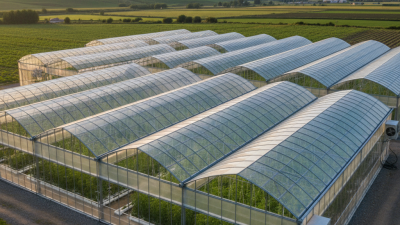
China has positioned itself as a leading hub for industrial greenhouse manufacturing. Buyers from around the globe are seeking reliable sources for high-quality greenhouse solutions. The country offers diverse options tailored to various agricultural needs, from large-scale production to specialized plants.
Tips: When selecting a manufacturer, assess their experience in the industry. A seasoned company often understands unique challenges in greenhouse design and climate control. Expertise can lead to better long-term partnerships.
Manufacturers in China utilize advanced technology to enhance efficiency. Many greenhouses feature automated systems for temperature and humidity control. This innovation promotes healthier crops and higher yields. However, not all manufacturers have adopted these technologies uniformly. Some may lag in technical know-how or not provide adequate customer support.
Tips: Evaluate customer reviews and case studies. Real-world feedback can reveal a manufacturer’s reliability and product performance. Look for companies that offer transparency in their operations and product specifications.
Factors Influencing Global Buyers' Choices
In recent years, the demand for industrial greenhouses in China has grown significantly among global buyers. A report by MarketsandMarkets indicates that the global greenhouse market is projected to reach $53 billion by 2025. One major factor influencing buyers is the variety of greenhouse designs available. Buyers often look for structures that can withstand specific environmental conditions. This ensures better crop yields and overall efficiency.
Another crucial factor is technology integration. Advanced systems, such as climate control and automation, are increasingly valued. According to a report from Grand View Research, the adoption of smart farming technologies is expected to grow by 15% annually through 2028. These technologies not only optimize resource usage but also reduce labor costs. However, some buyers express concerns about the initial investment required for such technology. This raises questions about return on investment and operational scalability.
Additionally, sustainability is a growing concern for many investors. The push for eco-friendly practices is reshaping purchasing decisions. Reports indicate that greenhouses using renewable energy and sustainable materials are gaining traction. Despite this trend, some buyers struggle with the higher costs of sustainable options. Striking a balance between cost and sustainability remains a pertinent challenge. Understanding these factors is essential for suppliers aiming to meet the evolving demands of global buyers.
Best Industrial Greenhouses in China for Global Buyers
Best Practices for Sourcing from Chinese Greenhouse Suppliers
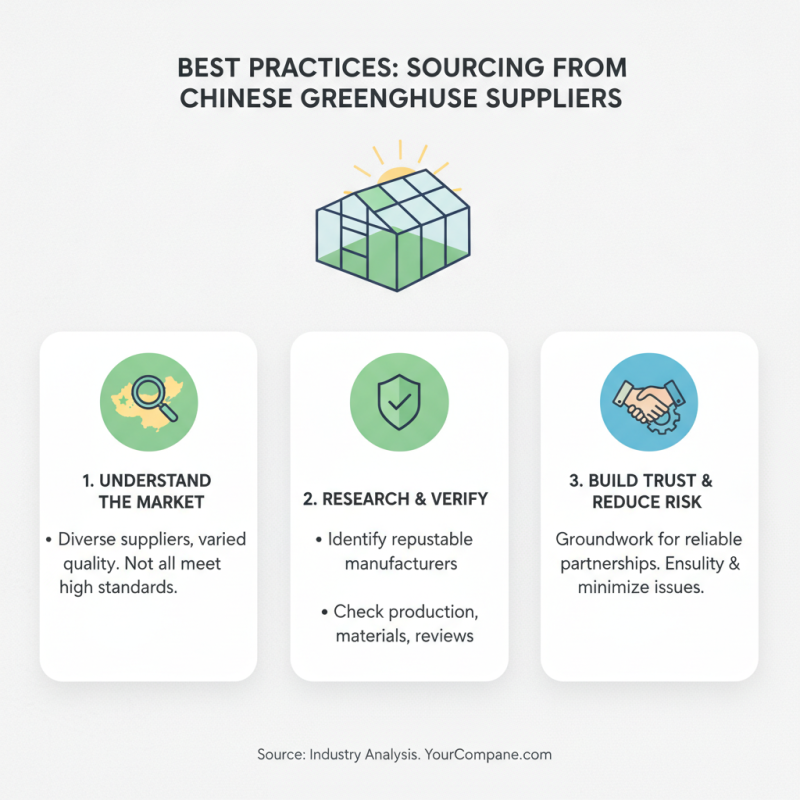
When sourcing greenhouses from China, understanding the market landscape is critical. Many suppliers offer a range of products, but not all meet high quality standards. Conduct thorough research to identify reputable manufacturers. Investigate their production practices, material sources, and customer reviews. This groundwork builds trust and reduces risks.
Visit industry trade shows or exhibitions when possible. These events provide direct interaction with suppliers. Seeing products firsthand can clarify their potential and drawbacks. Ask questions regarding warranty, support, and after-sales service. This direct engagement often uncovers insights that online research may not reveal.
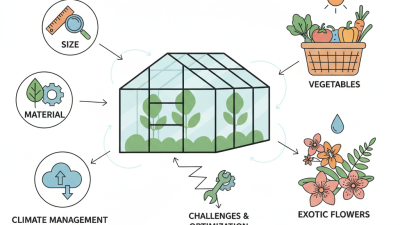
In addition, consider the specific needs of your farm or project. Size, climate control, and ventilation systems vary significantly among greenhouse designs. Some suppliers may excel in technology, while others might prioritize cost-effectiveness. Balancing your priorities could lead to tough choices. Reflecting on these factors ensures better alignment with your goals and avoids potential pitfalls in sourcing decisions.