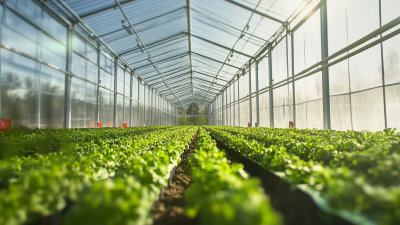
What Is the Best Smart Greenhouse from China?
Choosing the best Smart Greenhouse from China requires more than comparing prices, sensors, or export claims. It requires evidence.
Grand View Research estimates that the global smart greenhouse market will expand strongly through 2030. MarketsandMarkets also forecasts sustained growth, although its market figures differ. This gap matters. Definitions vary between automated glasshouses, controlled-environment farms, and digitally monitored plastic tunnels.
China’s greenhouse sector is especially diverse. A modern facility may combine climate computers, fertigation systems, LED lighting, cameras, and artificial intelligence. Another may use only automated ventilation and basic temperature sensors. Both can be marketed as “smart.”
The real test is practical performance.
Wageningen University horticulture professor Leo Marcelis has repeatedly emphasized the need to “produce more with less resources.” That principle is central to evaluating Chinese suppliers. A credible Smart Greenhouse should reduce water waste, stabilize crop conditions, and support measurable yield improvements.
Look for documented results. Ask for energy consumption per kilogram, water use, crop cycles, sensor accuracy, and after-sales response times. Factory images are useful, but operating records are stronger evidence.
Chinese manufacturers can offer competitive automation, integrated engineering, and scalable designs. Some also provide impressive greenhouse control platforms. Yet not every system performs equally well in humid climates, winter regions, or high-temperature production zones.
This guide examines leading options from China through technology, reliability, crop suitability, installation experience, and lifecycle cost. The ranking cannot be perfectly universal. Farm size, climate, labor availability, and crop choice change the answer.
The best system is not always the most advanced. It is the one that works consistently, transparently, and economically on a real farm.
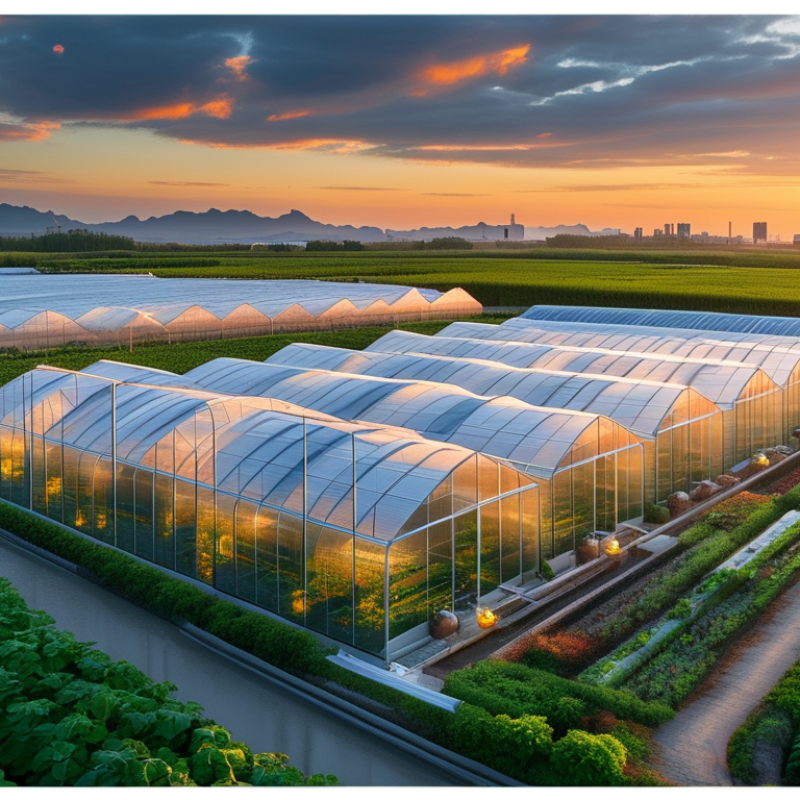
What Defines a Smart Greenhouse?
A smart greenhouse is more than a glass structure with automatic windows. It is a connected production system. Sensors continuously measure temperature, humidity, light, carbon dioxide, substrate moisture, and nutrient strength. Controllers then adjust ventilation, shading, irrigation, heating, and lighting. The best systems also record every action, allowing growers to compare crop responses instead of relying on memory.
Water efficiency is a serious test. The Food and Agriculture Organization reports that agriculture uses about 70% of global freshwater withdrawals. Therefore, a Chinese smart greenhouse should use moisture sensors, filtered drip irrigation, and leak alerts. The United Nations Environment Programme also highlights digital tools as important for improving resource efficiency in agriculture. A practical system can show root-zone moisture on a phone, then deliver a precise dose rather than watering an entire bed. Small details matter.
Energy control matters too. The International Energy Agency identifies efficiency and electrification as major routes for reducing agricultural emissions. A greenhouse with thermal screens, weather forecasting, and automated ventilation can reduce unnecessary heating. However, automation is not always intelligent. Poorly calibrated sensors create confident mistakes. I would check sensor accuracy, data ownership, maintenance access, and offline operation before judging any supplier from China. Field trials, calibration records, and clear technical support are more persuasive than a polished dashboard. The definition remains imperfect. That is useful.
Core Technologies in Chinese Smart Greenhouses
China’s smart greenhouses combine controlled farming with dense digital monitoring. In practical trials, sensors measure temperature, humidity, light, carbon dioxide, soil moisture, pH, and nutrient strength. A cucumber house may open roof vents at 28°C or start cooling when humidity rises too quickly. These actions reduce guesswork, but they do not remove the need for trained workers.
Edge controllers process urgent data inside the greenhouse. This matters when internet connections become unstable. Cloud platforms then compare crop records across seasons and locations. Artificial intelligence can identify leaf stress through cameras before yellowing becomes obvious.
Automated fertigation adjusts water and nutrients in small doses. Drip lines deliver moisture near the roots, while filtration and recycling systems help limit waste.
Chinese greenhouse projects also use thermal screens, supplemental lighting, and renewable energy management. The strongest systems connect these tools instead of treating them separately. Yet performance is not always smooth. Sensors can drift, algorithms may misread reflected light, and old greenhouse structures can limit automation. Field staff still need to check roots, leaves, pipes, and calibration manually. Reliable operation depends on maintenance records, local climate data, and transparent testing rather than impressive software claims. Small farms may need simpler controls, because high complexity can create new costs.
Main Types of Smart Greenhouses from China
What Is the Best Smart Greenhouse from China?
Main Types of Smart Greenhouses from China
China produces several smart greenhouse types for different climates, crops, and budgets. The common choices include glass, polycarbonate, and plastic-film structures. Each type combines sensors, ventilation, irrigation, and climate-control equipment.
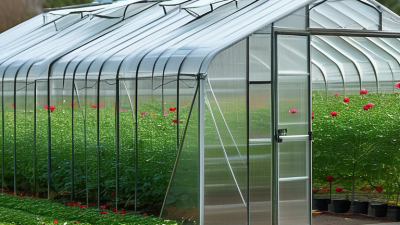
Glass greenhouses provide excellent light transmission and long service life. They suit commercial flowers, vegetables, and research facilities. Automated vents can release hot air, while roof curtains reduce excessive sunlight. However, glass increases construction costs and requires stronger foundations. It is not ideal for every farm.
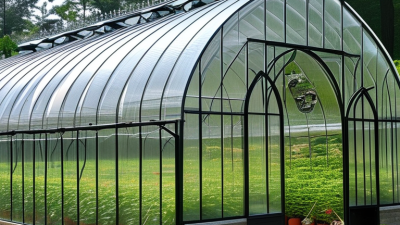
Polycarbonate greenhouses offer better impact resistance and insulation than ordinary glass. Their lightweight panels work well in regions with changing temperatures. Many systems connect temperature, humidity, carbon dioxide, and soil-moisture sensors to a central controller. Data matters. Yet, poor panel quality may cause yellowing or reduced light transmission over time.
Plastic-film greenhouses remain popular because they are affordable and quick to install. Multi-span designs can support large-scale production, with automated film rolls, drip irrigation, and insect screens. Solar greenhouses use insulated north walls and passive heat storage, making them useful in colder northern areas. They can reduce heating demand, but their layout may limit crop height and ventilation.
When comparing suppliers, buyers should inspect steel thickness, drainage, sensor accuracy, software language, and local maintenance support. Ask for test records and operating conditions, not only attractive photographs. A smart greenhouse is not automatically efficient. Incorrect sensor placement, unstable internet, or weak training can still damage a crop. Specifications sometimes look perfect on paper. Field performance deserves closer questioning.
What Is the Best Smart Greenhouse from China?
Typical daylight transmission of major smart greenhouse covering systems
Higher daylight transmission can improve crop photosynthesis and reduce the need for supplemental lighting. Glass and single-layer film systems usually provide the highest transmission, while twin-wall polycarbonate and inflated double-layer film offer better insulation and structural protection. The best choice depends on crop type, climate, automation requirements, and budget.
Values are representative midpoints of commonly reported transmission ranges for horticultural covering materials; actual performance varies with thickness, aging, dust, condensation, and greenhouse design.
How to Choose the Best Chinese Smart Greenhouse
Choosing the best Chinese smart greenhouse requires more than comparing steel frames or touchscreen dashboards. Start with the crop. Leafy greens, tomatoes, and berries need different light, humidity, and airflow controls. A suitable system should connect climate sensors, irrigation, ventilation, shading, and alarms. It should also support manual operation when internet service fails.
Water efficiency deserves close attention. The FAO AQUASTAT database reports that agriculture accounts for about 70% of global freshwater withdrawals. Ask suppliers for measured water-use data, not attractive percentages. Check drain recovery, filtration, nutrient dosing, and sensor calibration records. A practical test should measure temperature stability inside the greenhouse, especially near corners and under cloudy conditions. Small errors become expensive across thousands of square meters.
Energy is another deciding factor. The International Energy Agency notes that cooling and ventilation are major electricity loads in controlled environments. Request seasonal energy data from comparable projects in China. Review insulation, motor efficiency, backup power, and local technician response times. Confirm electrical safety documents and compliance with the destination market’s standards. Do not rely only on software screenshots. A reliable supplier should provide installation drawings, maintenance schedules, spare-part lists, and staff training. Start with a pilot section. Perfect automation does not exist. My own preference would be a simpler system with transparent data, even if it looks less impressive. Fancy dashboards can hide weak agronomy, poor calibration, or delayed service.