Who Is the Best Agricultural Greenhouse Supplier in China?
Choosing the best Agricultural Greenhouse supplier in China requires more than comparing catalog prices. Buyers must match the structure to local climate, crops, water access, and operating skills. The need for reliable production is clear: the 2024 State of Food Security and Nutrition in the World, published by FAO and partner agencies, estimated that about 733 million people faced hunger in 2023. Greenhouses cannot solve food insecurity alone. Yet well-designed systems can support more controlled production where weather, pests, or limited growing seasons create challenges.
A practical supplier review should examine steel specifications, covering materials, ventilation, cooling, irrigation, and control systems. Ask for drawings, wind and snow-load calculations, warranty terms, and references from comparable projects. Then check whether the supplier can provide installation guidance, spare parts, and clear after-sales support. A low quotation may omit foundations, freight, or commissioning. That matters. Request an itemized scope and compare the same assumptions across bids.
There is no universal “best” supplier; performance depends on design fit and execution. Review documented projects, technical staff qualifications, quality-control procedures, and evidence that delivered systems match their specifications. Where possible, speak with operating customers and inspect a completed site. These checks are not perfect, and a polished brochure is not proof. Still, they help separate measurable capability from sales claims—and make a more defensible supplier choice.
What an Agricultural Greenhouse Supplier Provides
Who Is the Best Agricultural Greenhouse Supplier in China?
What an Agricultural Greenhouse Supplier Provides
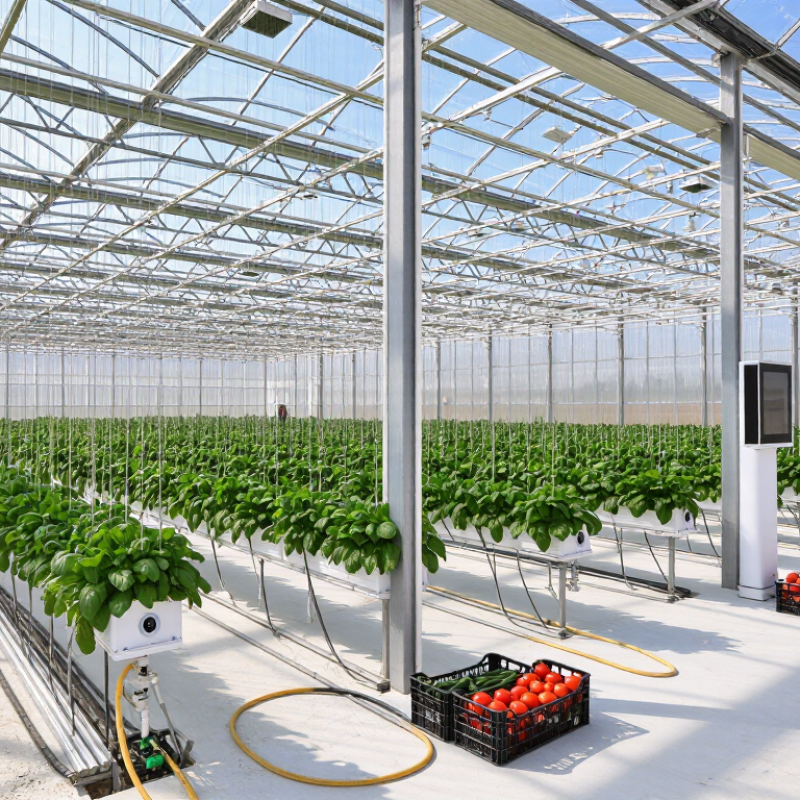
An agricultural greenhouse supplier provides more than steel frames and plastic film. A capable team can assess the site, recommend a structure, and specify ventilation, shading, irrigation, and climate controls. These choices should match the crop, local weather, and available labor. For example, a humid growing area may need strong airflow and reliable drainage, not just extra cooling equipment.
A detailed proposal should list materials, dimensions, equipment capacity, installation scope, and maintenance needs. Ask how the structure handles local wind and snow loads, and request clear equipment specifications. Training matters, too: staff should know how to adjust vents, check filters, and spot loose fittings. A polished drawing can still miss practical details, so review it against daily work routines before ordering.
Tips: Share site measurements, crop plans, and seasonal weather records before requesting a quote. Compare specifications, not just prices. Ask what spare parts are available and how quickly technical support responds. Keep some budget for maintenance; it is easy to overlook.
China’s Agricultural Greenhouse Industry
Who Is the Best Agricultural Greenhouse Supplier in China?
China’s agricultural greenhouse industry serves regions with very different climates, crops, and growing seasons. A coastal vegetable farm may need ventilation for humid summers, while a northern site must manage cold winds and winter heating. These conditions shape the choice of frame, covering material, ventilation, and irrigation. One design rarely fits every farm.
Details matter. A useful supplier discussion starts with the site, crop plan, and local weather—not just a catalog. Ask how the structure handles wind and snow loads, how growers can replace damaged covering, and whether ventilation can be adjusted during sudden temperature changes. Request drawings, material specifications, and a clear installation plan. Then check references from farms with similar conditions. A neat rendering is not proof of field performance.
Experience also shows in practical support. Spare parts, maintenance guidance, and timely technical help can affect a greenhouse’s working life as much as its initial price. Compare warranty terms and ask who responds when a motor or control system fails. Even a well-designed structure has limits; poor operation or neglected maintenance can reduce performance. I would not treat the lowest quote as the best value without checking what it leaves out.
Who Is the Best Agricultural Greenhouse Supplier in China?
Compare greenhouse covering materials by typical visible-light transmission—a practical specification to check when evaluating suppliers.
Typical ranges for new, clear materials: glass 88–92%, single-layer polyethylene film 85–90%, and twin-wall polycarbonate 75–85%. Actual transmission varies with product thickness, coatings, structure, and aging. Ask suppliers for tested specifications and project-specific references; no single material or supplier is best for every application.
Criteria for Evaluating Chinese Greenhouse Suppliers
Who Is the Best Agricultural Greenhouse Supplier in China?
Choosing a Chinese agricultural greenhouse supplier takes more than comparing quoted prices. Start with site conditions: local wind exposure, rainfall, summer heat, and water quality. Ask for project drawings that show bay spacing, vent area, foundation details, and crop requirements. Check steel specifications, coating thickness, and whether replacement parts are available. Small details matter. A frame may look strong in a catalog, yet perform differently under a wet snow load. Request calculations for the actual site, not just a standard brochure.
Evaluate the supplier’s project record with evidence, not broad claims. Ask for references from comparable climates and crops, plus photos of completed structures. When possible, speak directly with an operator. Ask what failed, and how it was repaired. Review installation guidance, staff training, warranty limits, and response times for spare parts. A low quote may exclude freight, foundations, controls, or commissioning. Compare full delivered costs line by line. Still, spreadsheets can create false precision: two offers may use different assumptions. Write those assumptions down before ranking them. No checklist removes judgment. Clear answers are valuable, but one visit cannot reveal every long-term weakness.
Comparing Supplier Capabilities and Services
Who Is the Best Agricultural Greenhouse Supplier in China?
Comparing supplier capabilities means looking beyond the quoted price. A capable supplier should explain how frame spacing, covering materials, ventilation, and heating fit your crops and local climate. Ask for drawings with dimensions, material specifications, and a clear list of included equipment. Details matter. A low quote can omit fans, screens, or installation support, leaving costly gaps later.
Service quality is easier to judge through specific answers. Can the supplier help adapt the design to wind, snow, humidity, and available water? Do they provide installation guidance, operating documents, and replacement-part support? Ask how quickly common components can be shipped and what information technicians need to troubleshoot a fault. Vague promises are hard to use when a vent motor stops during a hot afternoon.
References and sample project records can add useful context, but they are not proof that every project will perform the same way. Compare similar crop types, climates, and greenhouse sizes where possible. Request realistic timelines and clarify who handles packing, transport coordination, and on-site assistance. Even a detailed plan may miss something; review it with the people who will operate the greenhouse each day.
How to Choose a Supplier for Your Project
Project requirements
Start with the project, not a catalog. Write down the crop, growing area, local climate, and expected production season. A supplier should ask about these details before recommending a structure. Wind exposure, snow loads, humidity, and summer heat can change the design. Ask for engineering drawings, load assumptions, and specifications for the frame, covering, vents, and irrigation system. Clear answers matter.
Installation and support
Compare the full installation, not just the quoted structure. Check what the price includes: foundations, ventilation equipment, controls, delivery, installation, and staff training. Ask how replacement parts are sourced and what response time to expect when a motor or sensor fails. Request references from projects with similar crops and climates. If possible, visit a working greenhouse and inspect joints, drainage channels, and the condition of the covering.
Long-term value
Look beyond the first-year price. Energy use, maintenance access, and spare-part availability affect operating costs for years. Ask for a written schedule, warranty terms, and a list of items excluded from the offer. A polished drawing can still hide practical gaps. I would also leave room for uncertainty: site conditions sometimes differ from early estimates, and no proposal predicts every delay. The best fit is a supplier willing to document assumptions, explain trade-offs, and revise details when evidence changes.