Plastic Film Greenhouse

How to Choose the Best Arch Greenhouse for Your Farm?

Choosing an Arch Greenhouse is not simply a matter of comparing prices or picking a familiar shape. The right structure must fit your crops, site, labor, and local weather. A low tunnel may suit leafy greens, while tall crops need more headroom and reliable ventilation. Small details matter: where doors face, how wide equipment must pass, and whether water collects beside the frame.

Reliable planning starts with local evidence. NOAA’s 1991–2020 U.S. Climate Normals provide temperature and precipitation records; pair them with local wind and snow-load requirements before comparing designs. The USDA Natural Resources Conservation Service’s High Tunnel System standard, Conservation Practice Standard 325, is a useful technical reference for siting and structural considerations. FAO’s Good Agricultural Practices for Greenhouse Vegetable Crops (2013) also connects greenhouse design with climate, crop choice, irrigation, and ventilation. These sources do not identify one universally best arch. That matters.

In this guide, we’ll compare frame materials, covering options, ventilation, anchoring, usable growing area, and installation costs. We’ll also consider maintenance and how the structure may perform through rough weather, not just on a sunny day. A wider span can create more working room, but it may raise material and heating demands. And supplier claims deserve a careful look. I would not choose from a brochure alone; compare specifications with your farm’s actual conditions.
How to Choose the Best Arch Greenhouse for Your Farm?

Understanding Arch Greenhouse Designs and Their Farm Uses

How to Choose the Best Arch Greenhouse for Your Farm?
Understanding Arch Greenhouse Designs and Their Farm Uses

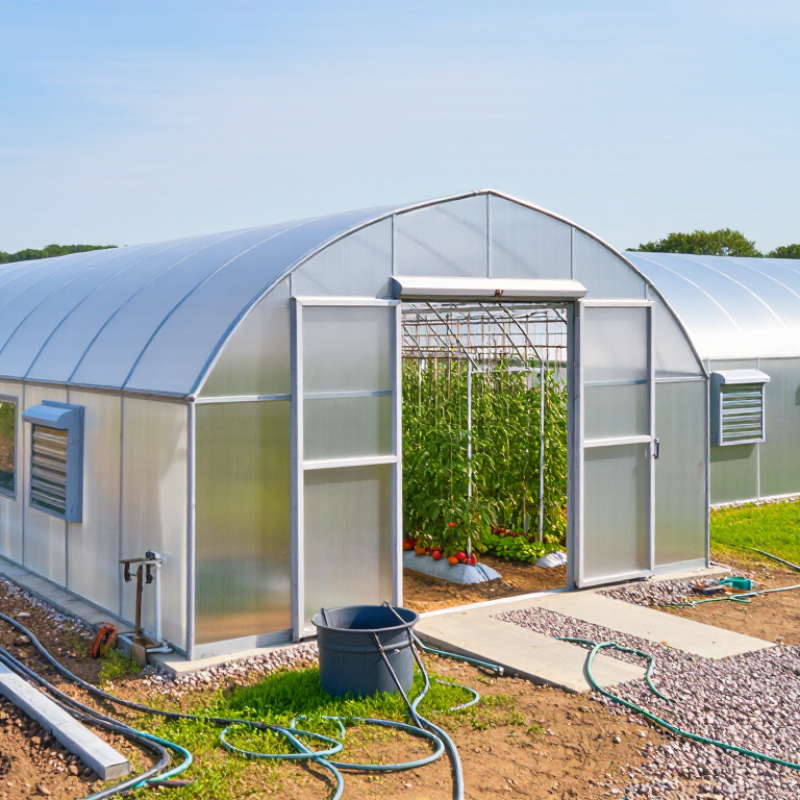
Arch greenhouses range from simple Quonset-style hoops to taller Gothic arches. Quonset frames are economical and suit leafy greens, seedlings, and seasonal crop extension. Gothic frames shed rain and snow more effectively, while their extra height improves airflow and gives tall crops more room. USDA Natural Resources Conservation Service program reporting has documented more than 12,000 high tunnels installed nationwide, reflecting their practical role in farm production. Still, a popular design is not automatically right for your site.

Match the structure to your weather, crops, and daily workflow. Check local wind and snow loads, then consider ventilation, door width, irrigation access, and whether tractors must pass through. A narrow arch may look efficient on paper but feel awkward when workers carry harvest crates. I would not overlook that. The NRCS High Tunnel System guidance describes tunnels as season-extension structures; they are generally unheated, so they cannot provide the same temperature control as fully climate-controlled greenhouses.

Tips: Sketch crop rows and equipment paths before choosing width and height. Ask a qualified local professional to verify structural loads, and compare the cost of stronger framing with likely weather exposure. Leave room for ventilation hardware. It is easy to underestimate.

Assessing Your Crops, Site, and Growing Requirements

Choose an arch greenhouse by matching its dimensions and climate controls to the crops you actually grow. Tall tomatoes and climbing cucumbers need headroom, sturdy trellis points, and room for workers to move between rows. Leafy greens may need less height but benefit from dependable ventilation during warm spells. Consider whether you want year-round production or only season extension; those plans require different insulation and heating choices.

Study the site before comparing structures. Note where water collects after rain, how sunlight shifts across the plot, and which direction strong winds usually come from. Check access to water and electricity, plus space for deliveries and repairs. A level-looking patch can still have poor drainage. Measure the area, then revisit it at different times of day; shadows from trees or buildings are easy to miss on a quick inspection. Also consider how doors, vents, and coverings will work with your local weather and daily routines.

Tips: Sketch crop rows and paths before ordering. Leave clearance for tools and carts. Ask a local grower or agricultural adviser about wind exposure and seasonal conditions. Keep a little flexibility in the plan; your crop mix may change.

Typical Daytime Temperature Targets for Greenhouse Crops

Use crop temperature needs as one factor when assessing an arch greenhouse’s ventilation, insulation, and suitability for your site.

Ranges are approximate daytime air-temperature targets in °C; ideal conditions vary by cultivar, growth stage, and local climate. Check nighttime needs and seasonal temperature extremes before choosing a structure.

Comparing Frame Materials, Coverings, and Structural Strength

A reliable arch greenhouse starts with a frame suited to your site. Galvanized steel offers stiffness and resists corrosion when its coating remains intact. Aluminum is lighter and easier to handle, but connections and anchoring need careful attention. Timber can work well, though moisture may cause movement over time. Small details matter. Check tube thickness, joint fit, and anchor depth rather than judging strength by appearance alone.

The covering affects light, heat, and maintenance. UV-stabilized polyethylene film is lightweight and economical, but it usually needs replacement sooner than rigid panels. Polycarbonate holds its shape and can provide useful insulation, though it costs more and needs secure fastening. Match the frame spacing to the covering’s support requirements. A broad arch may shed rain, but wet snow and strong gusts still demand a frame rated for local conditions. A heavier frame is not automatically safer. I would verify load specifications and inspect the site’s exposure before choosing.

Tips: Ask for wind and snow-load ratings, then confirm the figures match your farm’s conditions. Check that doors, vents, and anchors are included in the structural plan. Look for clear replacement guidance for covers and fasteners. If a specification seems vague, ask for documentation; guessing here can become expensive.

Evaluating Ventilation, Climate Control, and Seasonal Performance

How to Choose the Best Arch Greenhouse for Your Farm?
Evaluating Ventilation, Climate Control, and Seasonal Performance

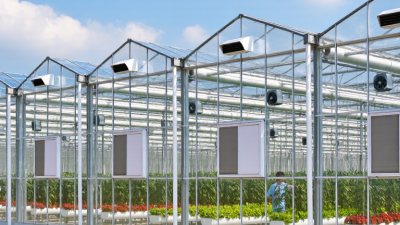
An arch greenhouse sheds rain and snow well, but its curved roof can trap warm air near the peak. Look for ridge vents paired with roll-up sides or low-level inlets. This creates a path for hot air to escape and cooler air to enter. On still, humid days, natural airflow may not be enough. A circulation fan can reduce stagnant pockets around leaves, though it cannot replace fresh-air exchange.

Tips: Check vent openings during a warm afternoon, not just on paper. Make sure you can reach cranks and screens easily. A vent that stays shut because it is awkward to operate is no help.

Climate control depends on your crops and local weather. Shade cloth can ease midday heat, while a well-sealed end wall helps limit drafts in cold months. For winter growing, estimate heating needs using your greenhouse size, covering, and lowest typical temperatures. Condensation on the plastic is a warning sign; persistent moisture can encourage disease. Seasonal performance is rarely perfect. Keep a simple log of inside temperatures and crop response, then adjust vents and shade as conditions change. A small thermometer at plant height often tells a more useful story than one mounted near the roof.

How to Choose the Best Arch Greenhouse for Your Farm? - Evaluating Ventilation, Climate Control, and Seasonal Performance

Arch Greenhouse Configuration Typical Ventilation Setup Climate-Control Options Warm-Season Performance Cool-Season Performance Best Suited For
Single-span arch with roll-up sides Manual or motorized side curtains, with end-wall doors for cross-flow ventilation. Thermostat-controlled sidewall motors; optional circulation fans and shade cloth. Good when both sides can open and prevailing winds can pass through the structure. Ventilation may be limited on still, hot days. Provides basic protection from wind and precipitation. Supplemental heat may be needed for frost-sensitive crops. Small and medium farms growing seasonal vegetables, starts, or flowers.
High-tunnel arch with roll-up sides Large side openings and open or screened end walls; ventilation is primarily passive. Manual or motorized side rolls; insect screening can be added, with some reduction in airflow. Strong passive airflow is possible when sides and ends are open. Temperature management depends on wind, opening size, and timely operation. Useful for extending the growing season, but generally offers limited temperature control without added insulation or heat. Field-scale production where low-cost season extension and natural ventilation are priorities.
Multi-span arch with side and roof vents Side inlets combined with ridge or roof outlets to help release rising warm air. Automated vent actuators, environmental sensors, circulation fans, and optional shade systems. More controllable than a side-vent-only layout when vents are adequately sized and distributed. Performance still depends on outdoor conditions. Can support a longer production window when paired with heating and appropriate crop protection. Commercial farms needing more growing area and more consistent environmental management.
Arch house with exhaust fans and evaporative cooling pads Powered exhaust fans draw air through cooling pads or designed air inlets. Fan stages, thermostats, cooling-pad pump controls, and circulation fans. Can provide active cooling in dry climates when the system is correctly sized. Cooling is less effective in humid conditions. Fans and pads are usually inactive in cold weather; heating and energy controls must be planned separately. Heat-sensitive crops or farms that need active summer cooling and have reliable power and water.
Arch house with automated vents and heating Motorized side and roof vents managed by temperature or humidity sensors. Integrated vent controls, unit heaters or hot-water heating, circulation fans, and optional shade screens. Automated venting can reduce delays in responding to temperature changes; backup power or manual overrides are useful. Offers the most flexible season extension in this comparison, subject to heating capacity, insulation, and operating costs. Higher-value crops, winter production, or operations requiring closer environmental control.

Planning note: Seasonal performance varies with greenhouse dimensions, vent placement and area, covering material, local wind and humidity, crop requirements, and equipment capacity. Confirm designs and heating or cooling loads with a qualified greenhouse professional for the specific site.

Balancing Budget, Maintenance, and Long-Term Farm Needs

How to Choose the Best Arch Greenhouse for Your Farm?
Balancing Budget, Maintenance, and Long-Term Farm Needs

A low purchase price can hide costly upkeep. Compare the full installed cost, including anchoring, site preparation, irrigation, labor, and replacement plastic. Check local wind and snow loads before choosing hoop spacing or frame strength. A sturdy arch greenhouse may cost more upfront, but repairs during a busy growing season can disrupt planting schedules. That matters.

Energy deserves a place in the budget. University of Georgia Cooperative Extension greenhouse guidance estimates that heating can account for 65–85% of greenhouse energy use, depending on climate and structure. In cold regions, prioritize tight end walls, suitable covering, and practical ventilation. If heating is not planned, focus on airflow and crop needs instead. A bigger structure is not automatically better; unused space still requires care.

Tips: Ask suppliers for written load specifications and covering-life estimates. Compare annual maintenance costs, not just purchase prices. Walk the site after heavy rain and note where water collects. Keep room for future expansion, but be honest about labor capacity. I would not assume every farm needs automation; sometimes that budget is better spent on reliable vents and spare repair film.