Plastic Film Greenhouse

China Top Aquaponics System Suppliers for Global Buyers

Choosing a reliable supplier is one of the most practical decisions in an aquaponics project. A well-designed Aquaponics System links fish production with plant cultivation, but performance depends on more than equipment alone. Tank volume, filtration, water circulation, and crop requirements must work together. A small mismatch can affect water quality and harvest consistency.

For global buyers, supplier comparison also involves communication, technical support, customization, and shipping readiness. Ask for clear system drawings, component specifications, installation guidance, and maintenance recommendations. These details help buyers judge whether a supplier understands real operating conditions, rather than simply offering a product list. They also make quotations easier to compare.

Look closely at experience with projects similar to yours. A supplier serving commercial farms may not be the best fit for a school, research facility, or small greenhouse. Request references where available, and confirm what support continues after delivery. Response times matter. So does documentation.

No supplier can remove every production risk. Climate, operator skill, and local water conditions still shape results. That is easy to overlook when comparing polished catalogs. This guide introduces China-based aquaponics suppliers and the practical factors global buyers can assess before contacting them. Use it as a starting point, not a substitute for technical review. A careful conversation may reveal gaps in a proposal—and that is useful, even if it slows the purchase.
China Top Aquaponics System Suppliers for Global Buyers

Understanding Aquaponics Systems and Their Global Applications

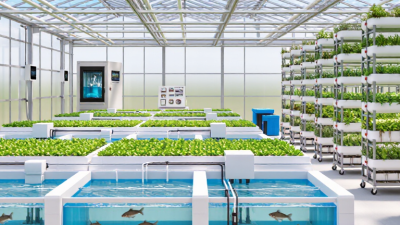
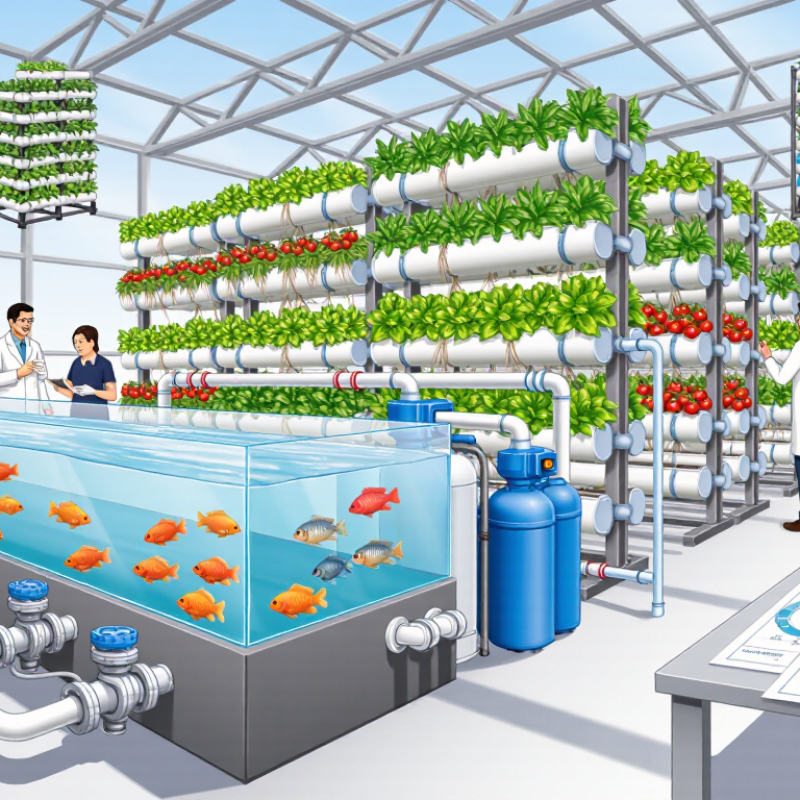
An aquaponics system combines fish rearing with soilless plant cultivation in a shared water cycle. Fish waste supplies nutrients, while beneficial bacteria convert ammonia into forms plants can absorb. Roots take up nutrients, and treated water returns to the fish tanks. It is a managed ecosystem, not a self-running shortcut.

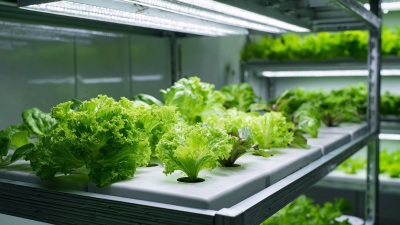
A reliable setup typically includes fish tanks, solids filtration, a biofilter, grow beds, pumps, and aeration. Operators check water temperature, dissolved oxygen, pH, and ammonia; small changes can stress fish or slow growth. Leafy greens and herbs often suit compact systems because they grow quickly and need less space. Not every crop fits. Fruit-bearing plants may need stronger support, more light, and careful nutrient balancing.

Applications range from rooftop farms and schools to remote communities where fresh produce travels long distances. In hot regions, shade and cooling may matter; in colder areas, insulation and heating add cost. Local water quality, energy prices, feed supply, and maintenance skills shape whether a project remains practical. The balance can be fragile. Automation helps, but it cannot replace routine checks. A system may produce fish and vegetables, yet yields vary with design and daily care. Pilot trials and clear operating records help buyers compare capacity, service needs, and realistic output before choosing equipment.

Key Criteria for Evaluating Aquaponics Suppliers in China

When comparing Chinese aquaponics suppliers, ask for more than equipment prices. Request a process diagram showing fish tanks, solids filtration, biofilters, pumps, and plant beds. Check whether the supplier specifies flow rates, dissolved oxygen targets, and backup power requirements. Small details matter. A pump failure can quickly disrupt water circulation, so ask how alarms and replacement parts are handled.

The FAO’s The State of World Fisheries and Aquaculture 2024 reports that aquaculture produced 94.4 million tonnes of aquatic animals in 2022. That scale makes technical reliability worth close scrutiny, even for smaller systems. Ask suppliers for commissioning records, operating manuals, and references from installations with similar climates and production goals. The FAO’s aquaponics technical guidance also stresses balancing fish feed, plant demand, and water quality; request sample monitoring logs, not only design claims. If possible, inspect a working site and watch staff test water and explain routine cleaning. A polished brochure is not proof. I would also compare warranty exclusions carefully; they can be easy to overlook. A supplier that admits where its system needs adaptation may be more credible than one promising effortless yields.

China Top Aquaponics System Suppliers for Global Buyers - Key Criteria for Evaluating Aquaponics Suppliers in China
Evaluation Criterion What to Verify Strong Evidence Suggested Weight
Integrated system design Check whether fish tanks, grow beds, filtration, plumbing, aeration, and controls are designed to work together at the proposed operating scale. A clear process flow diagram, system layout, design assumptions, and documented water-flow and filtration calculations. 15%
Aquaponics operating experience Assess experience with both recirculating aquaculture and hydroponic crop production, including start-up and system balancing. Relevant project references or case studies that explain system scale, species or crops, operating conditions, and commissioning scope. 15%
Water treatment and biofiltration Review solids removal, biological filtration, aeration, water circulation, and provisions for monitoring water quality. Equipment specifications and a documented explanation of how the system supports solids management, biofilter operation, and dissolved oxygen supply. 12%
Equipment specifications and sourcing Confirm the specifications, materials, operating ranges, and replacement availability of pumps, filters, tanks, aerators, and control equipment. A component schedule with model-independent technical specifications, materials, maintenance requirements, and recommended spare parts. 12%
Manufacturing quality control Evaluate fabrication standards, inspection procedures, leak testing, electrical checks, and traceability of supplied components. Written inspection and testing procedures, quality records where applicable, and clear acceptance criteria before shipment. 12%
Customization and scalability Determine whether the proposed design can be adapted to local climate, available space, target species, crops, utilities, and planned production capacity. A project-specific design proposal that identifies assumptions, site requirements, expansion options, and any limitations. 10%
Export and regulatory documentation Check whether documentation can be provided for customs, electrical requirements, material specifications, and any destination-market requirements applicable to the equipment. A document list agreed before purchase, with certificates or test reports supplied only where applicable to the product and destination. 8%
Installation, training, and after-sales support Clarify commissioning responsibilities, operator training, troubleshooting channels, warranty scope, and availability of replacement parts. A written support plan stating response channels, service scope, training deliverables, warranty terms, and spare-parts arrangements. 8%
Commercial transparency Compare the quotation scope, exclusions, packaging, shipping terms, payment milestones, lead time, and warranty conditions. An itemized quotation with defined deliverables, responsibilities, exclusions, and agreed inspection and acceptance terms. 8%

Types of Aquaponics Systems and Equipment Chinese Suppliers Offer

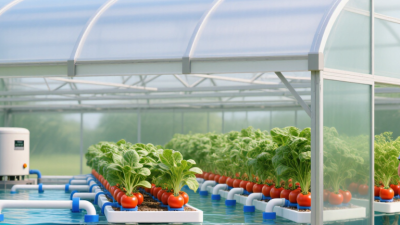
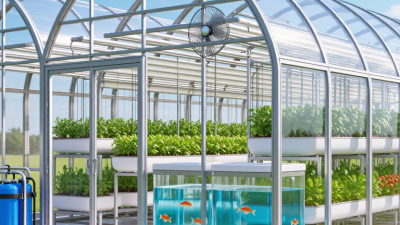
Chinese suppliers offer several aquaponics layouts, including media beds, deep-water culture (DWC), nutrient film technique (NFT), and hybrid systems. Media beds suit small, mixed-crop units; rafts provide steady root support for leafy greens. NFT channels save floor space, but roots can suffer quickly if water flow stops. The layouts differ. Suppliers may bundle fish tanks, grow beds, biofilters, solids filters, pumps, air blowers, pipes, and valves. Some also provide greenhouse frames and insulated panels, while others focus on water-treatment equipment.

A complete package may include pH, temperature, and dissolved-oxygen sensors, plus a control cabinet. Ask for flow-rate and filtration specifications, not just tank volume. A pump must deliver adequate flow after accounting for pipe length, bends, and elevation. That detail matters. Buyers should also check whether replacement screens, fittings, and pump seals are readily available. Supplier drawings and installation guidance help, though site conditions often require adjustments. A system sized on paper may behave differently as fish loads and crop density change. Request operating references or test records, then confirm which components are included before comparing quotations.

How to Assess Supplier Quality, Certifications, and Export Readiness

A supplier’s brochure can show clean tanks and bright lettuce, but it cannot prove a system will run reliably. Ask for evidence. Request drawings, pump and filter specifications, material details, and test records for leaks and water flow. Check whether the proposed setup has been tested at a scale and stocking density close to yours. A small pilot may reveal issues that a polished presentation misses.

Review certificates carefully. Confirm the issuing body, validity dates, covered product models, and whether the certificate applies to the equipment you are buying. A document with a familiar-looking logo is not enough. Ask for copies and verify them with the issuer where practical. Also inspect welds, pipe joints, electrical enclosures, and access points in current production photos or during a live video walkthrough. Details matter.

Export readiness is more than offering international shipping. Ask how the system will be packed, whether fragile sensors are protected, and which spare parts are included. Confirm voltage, plug type, manuals, installation support, and the export documents the supplier can provide. Check destination-market requirements with a qualified local adviser; requirements can differ. I would also request a written schedule with named responsibilities. Suppliers may answer quickly before payment, then slowly when a missing fitting stops installation. That risk is easy to underestimate.

Steps for Sourcing and Importing Aquaponics Systems from China

China Top Aquaponics System Suppliers for Global Buyers

Before requesting quotations, define the system you need. Record tank volume, growing area, expected fish load, and available floor space. Include local water conditions and the site’s electrical supply. A clear sketch with dimensions can prevent costly misunderstandings.

Ask suppliers for a component list, material specifications, pump flow rates, filtration details, and operating instructions. Request photos or a live video walkthrough of the assembled system. Check how parts are packed and whether replacement pumps, fittings, and filter media are available. Small details matter. Compare quotations on the same configuration, not just the headline price. Confirm production time, warranty terms, payment schedule, and shipping responsibilities in writing. Keep records.

Before placing a large order, consider a sample or a smaller shipment. It may reveal unclear assembly steps or packaging weaknesses. Some systems are bulky, so ask for crate dimensions, gross weight, and loading photos. Confirm the product classification, required import documents, and destination-specific equipment standards with a qualified customs broker. Do not assume the supplier knows every local requirement. This takes extra time, but it can prevent delays at the port. Verify each document against the final packing list before shipment.