2026 Best Commercial Greenhouse Options for Global Buyers?
In the evolving landscape of sustainable agriculture, the demand for innovative Commercial Greenhouse solutions continues to grow. According to Dr. Emily Carter, a leading expert in greenhouse technology, “A well-designed Commercial Greenhouse can revolutionize food production globally.” This sentiment reflects the increasing focus on efficiency and sustainability in agriculture.
As global buyers navigate the options for 2026, it is essential to understand the diverse features available. Modern Commercial Greenhouses incorporate advanced technologies to optimize growth conditions. Climate control, automated irrigation, and energy-efficient systems are becoming standard. Such features address the pressing need for sustainable food sources amidst climate change challenges.
However, selecting the right Commercial Greenhouse requires careful consideration. Each choice comes with trade-offs, such as initial costs versus long-term benefits. Buyers must evaluate their specific needs and local conditions. With thorough research and expert guidance, they can make informed decisions that lead to successful ventures in greenhouse farming.
Overview of Commercial Greenhouse Types in 2026
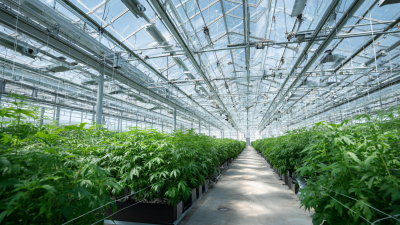
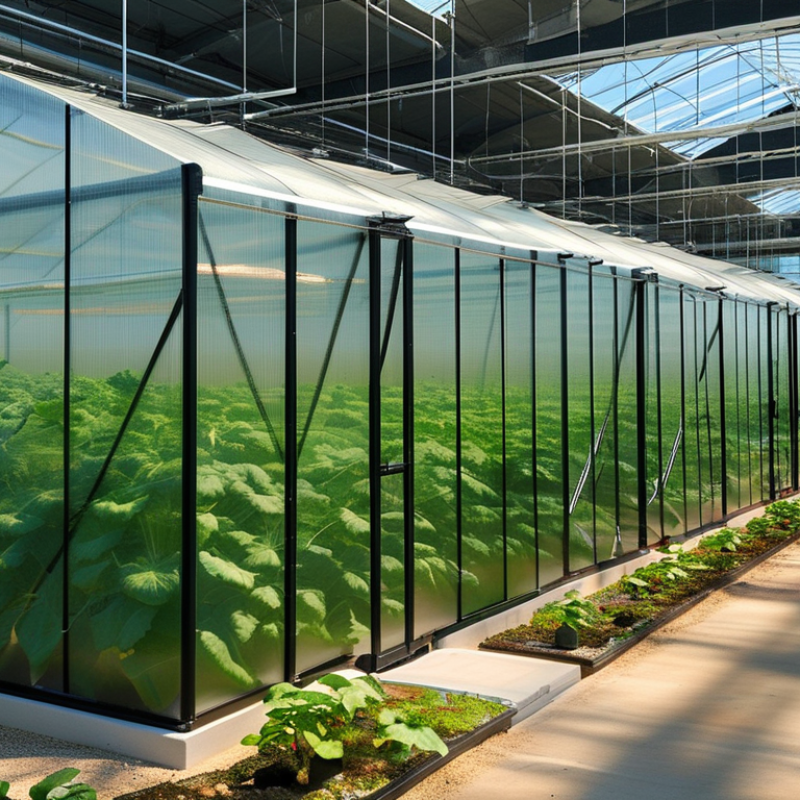
In 2026, commercial greenhouses come in various types designed to meet diverse agricultural needs. The most common types include glass, polycarbonate, and hoop houses. Each type offers unique advantages. Glass greenhouses excel in light transmission, promoting optimal plant growth. However, they can be cost-prohibitive and require strong structures. Polycarbonate options are durable and provide good insulation, making them suitable for extreme weather conditions. On the downside, they might not allow as much light as glass.
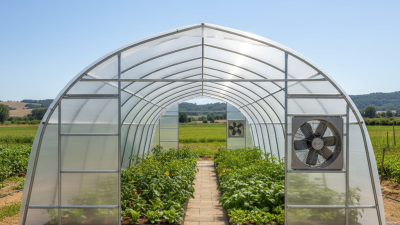
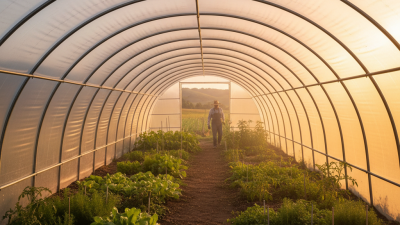
Hoop houses, a more affordable option, are easy to set up and maintain. These structures may not be as durable as others, but they are ideal for small-scale farmers. Many new growers find them accessible. However, pests and weather fluctuations can pose challenges in such setups.
Understanding the requirements of your crops is essential before choosing a greenhouse type. Consider climate, available land, and budget constraints. Visiting local operations and speaking with experienced growers can provide valuable insights. This hands-on approach fosters a deeper understanding of your options and aids informed decision-making in a competitive market.
Key Technologies Driving Greenhouse Efficiency and Sustainability
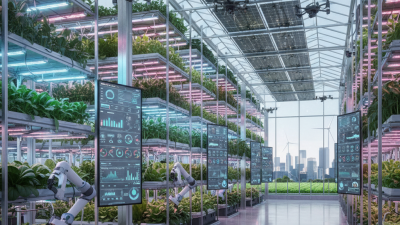
Greenhouse technology is rapidly evolving. Innovations are enhancing efficiency and sustainability in commercial gardening. Smart climate control systems help regulate temperature and humidity. These systems use sensors to gather real-time data. This leads to more productive growing environments.
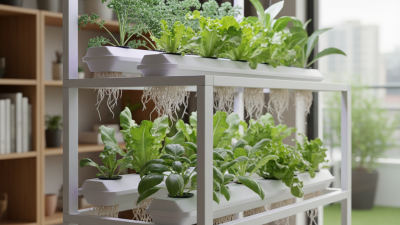
Another key technology is hydroponics. This method allows plants to grow without soil. Nutrient-rich water delivers essential minerals directly to the roots. Hydroponics can save considerable water and space. However, implementing this system requires careful monitoring. Mistakes in nutrient balance can harm crops.
LED lighting has transformed greenhouse operations. Compared to traditional lights, LEDs consume less energy and can be tailored to specific plant needs. Nonetheless, growers must analyze the light spectrum required for varied crops. Relying solely on one type can limit plant growth. Balancing technology with nature remains a challenge for many. This raises important questions about the future of sustainable agriculture.
2026 Best Commercial Greenhouse Options for Global Buyers
This chart illustrates the efficiency and sustainability ratings of various commercial greenhouse technologies based on research conducted in 2026. The data presents how different techniques contribute to overall greenhouse performance.
Market Trends and Growth Projections for the Greenhouse Industry
The greenhouse industry is poised for significant growth in the coming years. According to a recent market analysis, the global greenhouse market is expected to reach $40 billion by 2026. This growth reflects an increasing demand for fresh produce and sustainable farming practices. As urbanization rises, more cities are turning to greenhouses for food production. They offer a controlled environment that maximizes yield.
Innovations in greenhouse technology are driving this market trend. Automated systems and advanced climate control are becoming standard in modern greenhouses. Reports indicate that using these technologies can increase crop yields by up to 20%. However, challenges remain. Not all buyers can afford the latest technologies, which leads to disparities in production efficiency. Additionally, climate change introduces unpredictability, impacting growing conditions.
Consumers are becoming more eco-conscious, adding pressure to the industry. They demand sustainable practices and locally sourced products. This shift influences how greenhouses operate. Data shows that nearly 70% of consumers prefer sustainably grown food. As the industry adapts, the tension between cost and sustainability will require continuous evaluation. A balance must be struck to cater to evolving market demands while maintaining profitability.
Top Global Manufacturers and Their Innovative Greenhouse Designs
In the evolving world of agriculture, innovative greenhouse designs are pivotal. Many leading manufacturers are redefining traditional practices. Their focus is on maximizing efficiency and sustainability. These greenhouses are built with advanced materials, ensuring durability and better climate control. They utilize features like automated ventilation and integrated irrigation systems. This innovation helps to create optimal growing environments for various crops.
Tips: When considering a greenhouse, prioritize the local climate. Ventilation, heating, and cooling systems must suit your environment. Assess the space for future expansion, too. A modular design can offer adaptability.
Technology integration is crucial. Some designs incorporate smart sensors to monitor plant health. This real-time data helps growers make informed decisions. A highly efficient greenhouse design can minimize waste and maximize yield. However, balancing advanced features with usability can be a challenge. Not all designs suit every grower’s needs. It's essential to evaluate your specific requirements thoroughly.
Factors Influencing Buyer Decisions in the Commercial Greenhouse Market
When considering the best commercial greenhouse options for 2026, various factors impact buyer decisions. One significant aspect is the cost of materials. Prices can fluctuate, affecting overall investment. Buyers often seek greenhouses that offer durability without overly high costs. This value-for-money proposition remains a priority.
Another factor is technology integration. Modern greenhouses incorporate automation to enhance efficiency. Buyers look for systems that regulate temperature and humidity effectively. This technological shift attracts attention but can intimidate those unfamiliar with advanced systems. Training and ongoing support play crucial roles in successful adoption.
Environmental sustainability is also essential. Many buyers prioritize eco-friendly options. They want to minimize their carbon footprint while maximizing crop yields. However, the balance between sustainability and initial investment can be challenging. Future buyers need to assess long-term benefits against upfront costs. This complex decision-making process often leads to reflective discussions on priorities.
2026 Best Commercial Greenhouse Options for Global Buyers
| Greenhouse Type |
Size (sq. ft.) |
Material |
Price Range (USD) |
Climate Suitability |
Energy Efficiency |
| Glass Greenhouse |
1000 |
Glass |
$20,000 - $30,000 |
Temperate |
High |
| Polycarbonate Greenhouse |
800 |
Polycarbonate |
$15,000 - $22,000 |
Tropical |
Medium |
| Tunnel Greenhouse |
1200 |
Plastic Film |
$5,000 - $10,000 |
Cold |
Low |
| Hydroponic Greenhouse |
1500 |
Glass & Plastic |
$25,000 - $35,000 |
Variable |
High |
| Vertical Greenhouse |
500 |
Steel & Acrylic |
$30,000 - $40,000 |
Urban |
Very High |