How to Use a Blackout Greenhouse for Optimal Plant Growth?
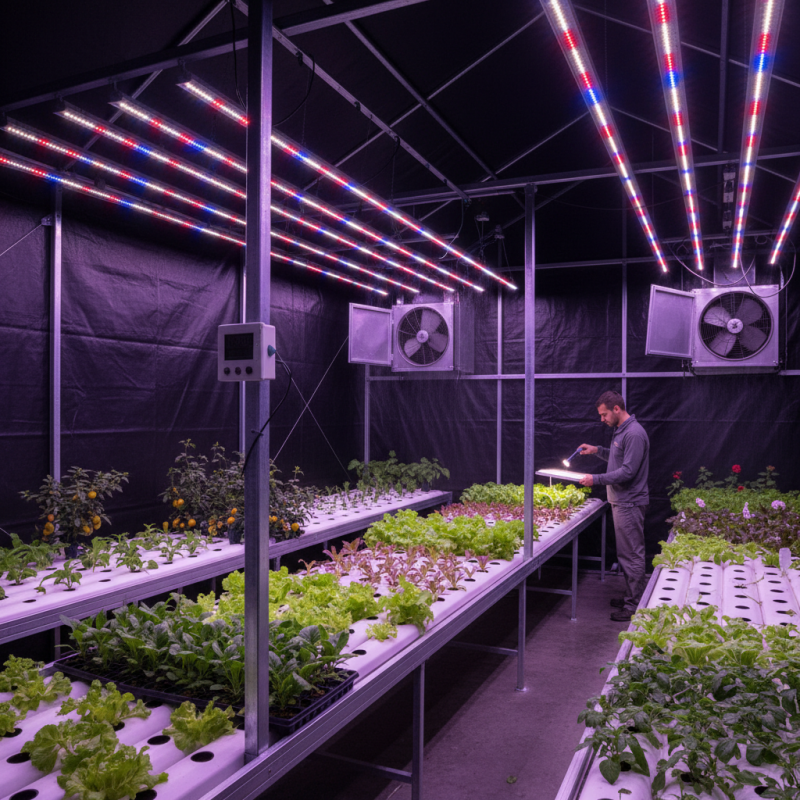
Using a Blackout Greenhouse can transform your gardening experience. This specialized structure creates ideal conditions for plant growth by blocking excess light. Many growers are unaware of how to maximize these benefits effectively.
Temperature control is crucial. A Blackout Greenhouse can help maintain consistent temperatures, preventing stress on plants. However, it is not foolproof. Growers must monitor humidity and ventilation closely to avoid mold. The balance can be tricky.
Color and light spectrum matter too. Different plants respond uniquely to varying light conditions. This concept may require experimentation. Each grower must understand what works best for their plants. Embracing this trial and error process can lead to rewarding results.
Benefits of Using a Blackout Greenhouse for Plant Growth
A blackout greenhouse can significantly enhance plant growth by controlling light exposure. By minimizing light pollution, these greenhouses create an optimal environment for various plants. This is especially beneficial during germination and flowering stages. Plants thrive when their light cycles mimic natural conditions.
The benefits of using a blackout greenhouse are abundant. Firstly, the controlled light environment reduces the risk of pest infestations. Additionally, it leads to better energy efficiency by maintaining appropriate temperatures. Blackout greenhouses can also promote healthier plant development. With proper management, the yield can increase significantly, leading to abundant harvests.
To maximize effectiveness, consider these tips. Ensure that your greenhouse is well-ventilated to prevent excess heat buildup. Monitor humidity levels regularly; high humidity can lead to mold. Lastly, experiment with using shades or reflective materials for adaptable light levels depending on your plants' needs. Each setup may require tweaks based on specific objectives and plant varieties.
Plant Growth Improvement Using a Blackout Greenhouse
This chart illustrates the growth improvement percentage of various plants when grown in a blackout greenhouse. The data indicates that lettuce experiences the highest growth improvement, followed by cucumbers and herbs, showcasing the advantages of utilizing such greenhouses for optimal plant growth.
Key Features of Blackout Greenhouses and Their Functionality
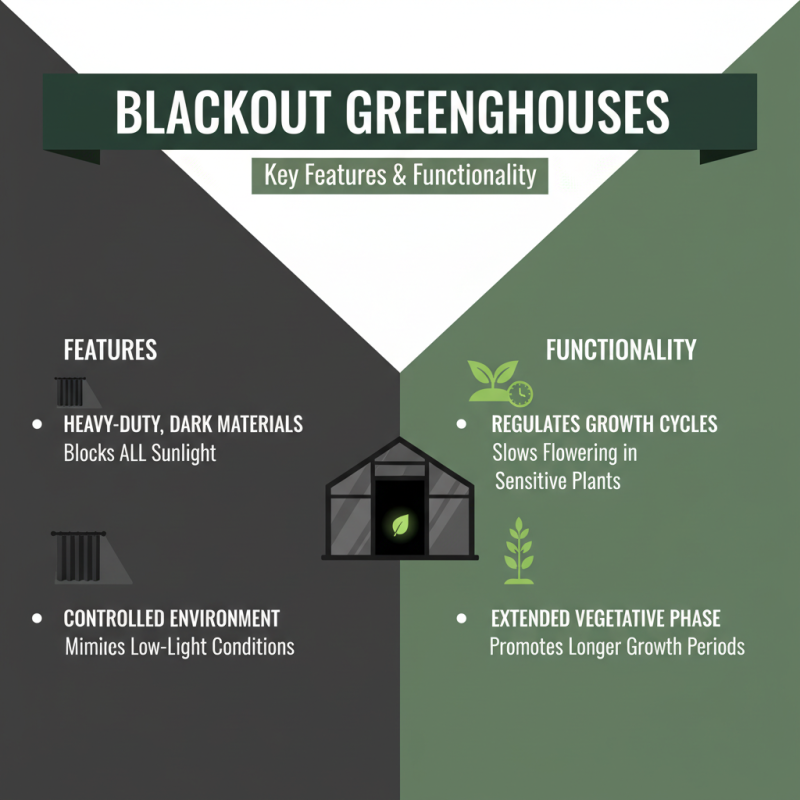
Blackout greenhouses are unique structures designed to control light exposure for plants. They typically feature heavy-duty, dark materials, blocking sunlight effectively. This helps create an environment perfect for plants that thrive in low light. The controlled darkness slows flowering in sensitive species, allowing for a longer growth period.
One key feature is the ventilation system. It ensures that even in total darkness, air circulation maintains optimal humidity levels. Without proper airflow, mold can become an issue. Additionally, blackout greenhouses often have temperature control systems. This helps plants avoid stress from rapid temperature changes, especially during the transition from day to night.
It's important to monitor plants closely. Some species may react unexpectedly to extended darkness. Observing plant health will inform necessary adjustments. Not all plants will thrive equally in these conditions. Experimentation and adaptation are essential for maximizing growth potential.
Best Plant Species for Growth in Blackout Greenhouse Conditions
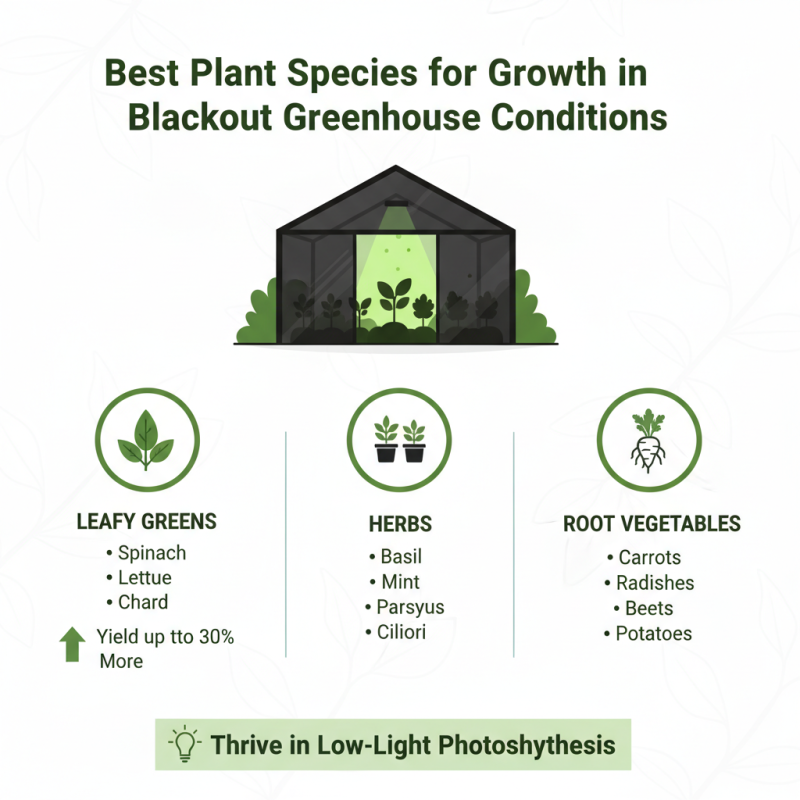
Using a blackout greenhouse can enhance plant growth by creating controlled light conditions. Certain plant species thrive in low-light environments, making them ideal for these conditions. Research indicates that plants like leafy greens, herbs, and some root vegetables show significant growth benefits. For example, spinach and kale can yield up to 30% more in shaded settings. These species have adapted to lower light photosynthesis, allowing them to flourish in blackout periods.
When planting in a blackout greenhouse, focus on vegetable varieties such as lettuce and chard. These plants tend to be less light-dependent and can tolerate extreme conditions. It's reported that in controlled studies, crops like basil and cilantro grew 40% faster in reduced light. This adaptability is essential for maximizing growth potential.
**Tips:** Monitor humidity levels carefully. High humidity can encourage diseases, which affect growth. Rotate crops regularly to prevent soil depletion. Experiment with different light exposure times to find the best rhythm for your selected plants. Sometimes, small adjustments can lead to improved outcomes. Keep a journal of your observations to refine your methods over time. Learning from both successes and failures is key to developing your skills.
Essential Maintenance Tips for Optimal Operation of Blackout Greenhouses
Blackout greenhouses are a valuable tool for maximizing plant growth. They control light conditions, essential for various growth stages. However, maintaining these structures requires diligence. Regular inspections are crucial. Check for damage to the covering material. A well-maintained covering can reduce heat loss by up to 30%, according to industry reports.
Monitoring humidity levels is another essential task. Blackout greenhouses can trap moisture, leading to mold and disease. Aim for relative humidity levels between 50% and 70%. This range promotes healthy plant growth and prevents common issues. Add ventilation systems if humidity rises excessively, as stagnant air can hinder development.
Adjusting temperature is equally critical. Blackout greenhouses keep plants warm, but overheating can stress them. Installing temperature controls helps regulate heat. According to a study, optimal temperatures between 68°F and 75°F yield the best results for most crops. Additionally, consider seasonal adjustments for varying weather conditions. Regular maintenance of environmental controls promotes a thriving greenhouse ecosystem.
How to Use a Blackout Greenhouse for Optimal Plant Growth? - Essential Maintenance Tips
| Maintenance Task |
Frequency |
Optimal Time |
Notes |
| Check heat and ventilation |
Weekly |
Early Morning |
Ensure optimal temperature for plant growth. |
| Inspect blackout covers |
Monthly |
Midday |
Look for wear and tear or light leaks. |
| Clean greenhouse interior |
Quarterly |
Late Afternoon |
Remove dust and algae to improve light absorption. |
| Monitor humidity levels |
Daily |
Morning |
Ensure humidity is within optimal range for plants. |
| Replace water sources |
Weekly |
Anytime |
Prevent algae buildup and ensure plant health. |
Common Challenges and Solutions When Using Blackout Greenhouses
When using blackout greenhouses, several common challenges can arise. One primary issue is managing humidity levels. Research indicates that high humidity can lead to mold and disease. A study from the National Gardening Association highlights that optimal humidity for many plants is between 40% and 60%. Growers must regularly monitor and adjust humidity to prevent issues.
Another challenge involves temperature regulation. Blackout greenhouses can heat up quickly during sunny days. A report from the American Society for Horticultural Science reveals that temperature fluctuations can stress plants, affecting their growth. Utilizing fans and shaded areas can help maintain a stable environment. It's essential to find a balance between heat and light, ensuring that plants receive adequate warmth without overheating.
Lastly, the restriction of light can impact flowering and fruiting. Some growers report delayed maturity in plants like tomatoes and peppers within blackout environments. The Pew Research Center showed that while certain plants thrive under reduced light, others may require supplemental lighting to achieve optimal growth. Regular assessment and adjustment of light exposure can help mitigate these issues. Adaptable strategies are essential for success.