2026 Best Agricultural Greenhouse Options for Global Buyers?
As the demand for sustainable agriculture grows, the role of the Agricultural Greenhouse becomes increasingly vital. Experts assert that investing in high-quality greenhouses can lead to more productive crops and sustainable practices. Dr. Emily Green, a renowned agricultural specialist, emphasizes, "The right greenhouse can transform agricultural productivity and boost local economies."
In recent years, the Agricultural Greenhouse industry has evolved significantly. Innovations in technology now allow for better climate control and resource management. However, not all options available on the market are equally reliable. Buyers must navigate various materials, sizes, and features. Some greenhouses may promise high yields but fail to deliver upon closer inspection.
Choosing the best Agricultural Greenhouse requires thoughtful consideration. Depending on climate, crops, and available space, different models will suit different needs. A poorly chosen greenhouse could lead to wasted resources and diminished returns. As buyers prepare for 2026, it’s crucial to weigh options carefully and seek guidance from industry experts to ensure a successful investment.
Top Features to Consider When Choosing an Agricultural Greenhouse
Choosing the right agricultural greenhouse involves several key features.
Climate control is crucial.
Temperature regulation ensures optimal growth for plants. Look for greenhouses with efficient ventilation systems.
Moisture control is equally important. Humidity levels must be monitored to prevent disease.
Automated systems can make this easier, but they may be costly.
Size and structure matter too. A larger greenhouse offers flexibility.
It can accommodate various crop types. However, smaller units may be more manageable for beginners.
Assess your available space before making a decision. Some buyers focus on materials.
Glass allows maximum sunlight but requires maintenance.
On the other hand, polycarbonate provides insulation and durability.
Consider your local environment. If you live in a windy area, sturdiness is vital.
Think about the design too. Aesthetics can influence your workspace.
Yet functionality should never be compromised. Every feature should align with your agricultural goals.
Planning well will save time and resources. Ultimately, reflect on what you truly need.
Adjust your expectations based on your budget and experience.
Types of Greenhouses: Traditional vs. Modern Solutions for Farmers
In the evolving world of agriculture, the choice between traditional and modern greenhouse solutions plays a crucial role. Traditional greenhouses, often built from glass and wood, have stood the test of time. They provide natural sunlight and are usually less expensive to construct. However, they can face issues like poor insulation and high energy costs. According to a recent industry report by the International Society for Horticultural Science, traditional greenhouses can lead to increased heating demands, raising operational costs by up to 40% in colder climates.
Modern greenhouses, on the other hand, utilize advanced materials like polycarbonate and come equipped with technology for climate control. These structures often result in higher initial investments but pay off in energy efficiency and crop quality. A study from Agricultural Research Services indicates that modern structures can enhance crop yields by 30% compared to traditional options. Farmers must weigh the initial costs against long-term benefits.
Tips: When considering a greenhouse, assess your local climate and crop needs. Invest in energy-efficient materials to reduce future costs. Consider the integration of smart technologies for optimized growth conditions.
Sustainable Materials Used in Agricultural Greenhouse Construction
The use of sustainable materials in agricultural greenhouse construction is gaining traction worldwide. According to a recent report from the International Greenhouse Association, over 40% of new greenhouses in 2023 utilized eco-friendly materials. These materials often include recycled plastics, bamboo, and natural fibers. Such choices significantly reduce the carbon footprint associated with traditional construction methods.
Recycled materials, particularly, have shown promise. Structures made from recycled plastics can cut energy use in production by nearly 60%. Additionally, bamboo, known for its rapid growth, offers a strong alternative to timber. Its use not only enhances durability but also encourages sustainable forestry practices. Yet, questions remain about the longevity and overall lifecycle impacts of these materials.
While advancements are impressive, challenges persist. Not all regions have access to these materials, limiting their widespread adoption. Moreover, the initial costs can be higher compared to conventional options, which may deter potential buyers. As the market evolves, ongoing research is crucial to ensure that sustainability does not compromise performance or affordability.
2026 Best Agricultural Greenhouse Options for Global Buyers
| Greenhouse Type |
Material |
Size (sq ft) |
Climate Suitability |
Sustainability Rating |
| Tunnel Greenhouse |
Polyethylene |
400 |
Warm |
High |
| Gothic Greenhouse |
Glass and Steel |
800 |
Temperate |
Medium |
| Geodesic Dome |
Recycled PVC |
600 |
Variable |
High |
| Lean-to Greenhouse |
Wood and Polycarbonate |
500 |
Cool |
Medium |
| Portable Greenhouse |
PVC and Fabric |
200 |
Warm |
Low |
Cost Analysis: Budgeting for Your Agricultural Greenhouse Investment
When considering an agricultural greenhouse, cost is a significant factor. The initial investment includes materials, construction, and equipment. It's essential to examine each element thoroughly. A typical greenhouse may range from a few thousand to tens of thousands of dollars depending on size and design. Budgeting effectively requires careful planning.
Operational costs often come as a surprise. Utilities like heating, cooling, and water are ongoing expenses to factor in. Additionally, you'll need to account for maintenance. Regular upkeep can prevent larger repair costs down the line. Be prepared for unexpected expenses, as they can arise in agricultural settings.
Researching different greenhouse options can provide invaluable insights. Explore various structures like hoop houses or commercial-style greenhouses. Each type has different cost implications and benefits. It's crucial to weigh these against your farming goals and climate. Keep in mind that the cheapest option may not always be the most effective. Reflection on these choices can lead to a more sustainable investment.
2026 Agricultural Greenhouse Cost Analysis
This bar chart represents the cost analysis of different agricultural greenhouse options for global buyers in 2026. The costs vary significantly based on the type of greenhouse, with smart and vertical farms being the most expensive options.
Global Market Trends in Agricultural Greenhouse Technologies for 2026
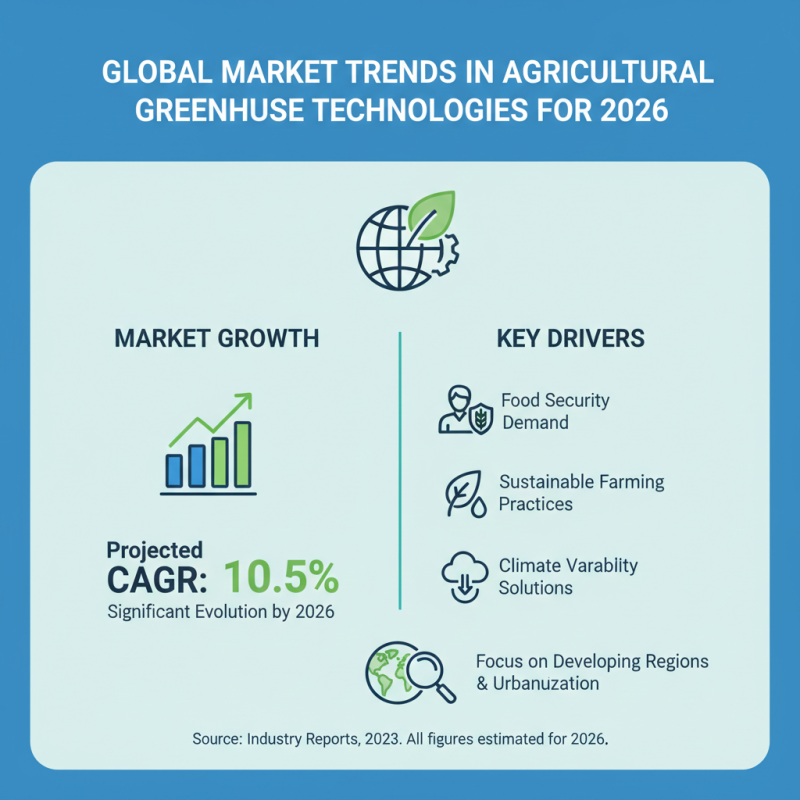
The global agricultural greenhouse market is set to evolve significantly by 2026. According to recent industry reports, the market is projected to grow at a compound annual growth rate (CAGR) of 10.5%. This growth reflects increased demand for food security and sustainable farming practices, particularly in developing regions. Many farmers are turning to greenhouses as a solution for climate variability and urbanization challenges.
Technological advancements will play a crucial role. The incorporation of IoT and automation is becoming prevalent. Reports indicate that automated systems can enhance yield efficiency by up to 30%. This integration also helps in resource management, reducing water and nutrient waste. However, there are still challenges in adoption, particularly with high initial costs and training requirements.
Sustainability is at the forefront of preferences for buyers. Eco-friendly materials and energy-efficient designs are gaining traction. Market research shows that 65% of buyers prefer materials that reduce their carbon footprint. Nonetheless, a gap exists in standardized practices, leaving buyers with uncertainty about long-term benefits. Addressing these concerns will be essential for the next wave of greenhouse innovations.