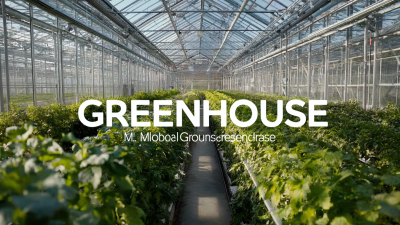
2026 Top Single Span Greenhouse Buying Guide for Global Buyers?
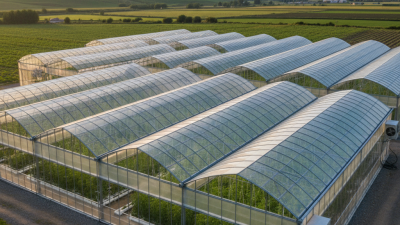
The demand for efficient agricultural solutions has led to the rise of the Single Span Greenhouse. According to a report from Allied Market Research, the global greenhouse market is expected to reach $43 billion by 2026, driven by the need for sustainable farming. Single Span Greenhouses offer various advantages, including improved climate control and better light penetration.
These structures are particularly favored among horticulturists for their cost-effectiveness and ease of use. A study by Grand View Research indicates that single span designs account for significant sales in the greenhouse sector. However, choosing the right greenhouse can be challenging, given the many options. Factors such as material, size, and ventilation must be carefully evaluated.
Despite their popularity, potential buyers should also consider the limitations of Single Span Greenhouses. Issues like limited space and reduced structural strength under extreme weather conditions merit careful thought. Prospective owners should weigh these aspects against their specific needs and circumstances. Making an informed choice can help growers maximize their yield and sustainability.
Understanding Single Span Greenhouses: Key Features and Benefits
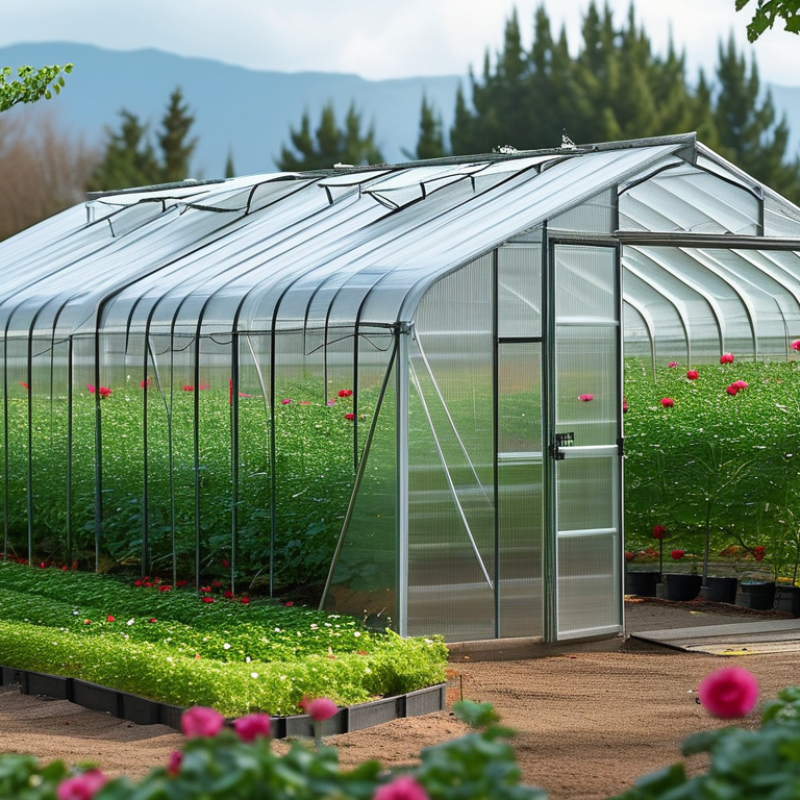
Single span greenhouses are a popular choice for many growers. They offer a range of features that enhance plant growth and provide environmental control. Typically, these greenhouses are simpler in structure, making them easier to build and maintain. According to a report by MarketsandMarkets, the global greenhouse market is projected to reach $30 billion by 2025, suggesting the growing demand for efficient cultivation methods.
Key features of single span greenhouses include superior light penetration and airflow. The design maximizes sunlight, critical for photosynthesis. The sloped roof helps in rainwater drainage, reducing mold risks. Reports indicate that well-ventilated greenhouses can improve crop yield by up to 20%. However, maintenance can be challenging, especially in extreme weather conditions.
Tip: When choosing a single span greenhouse, consider materials thoughtfully. Different materials affect thermal efficiency and durability. Not all materials last equally, and this can impact your long-term costs and crop health. Understanding the specifications of your chosen design is equally vital. Some greenhouses may require more frequent repairs, which can disrupt your growing schedule. Always assess the structure before investing.
Identifying Factors to Consider When Selecting a Greenhouse
Choosing the right greenhouse involves careful consideration of several factors. Begin by assessing your local climate. Different plants thrive in different conditions. A single span greenhouse should provide adequate ventilation. Look for features like adjustable vents. They allow air circulation, which is crucial for plant health.
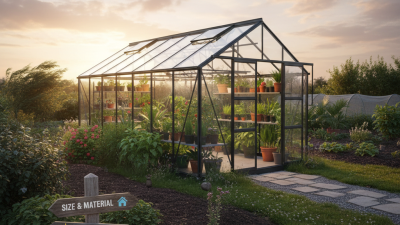
Size is another essential aspect. The greenhouse must accommodate your growing needs. Too small a space can hinder your gardening ambitions. A practical layout allows optimal use of space. Ensure there's room for walking and tending to plants. Moreover, think about the materials used in construction. Durable materials like polycarbonate offer better insulation than basic plastic.
Here are a few tips to help you choose wisely. Check the structure's stability against harsh weather. Stability is vital to protect your investment. Prioritize ease of assembly. A complicated setup can lead to frustration. Remember that maintenance is key. Some materials require more upkeep than others. Choosing the right greenhouse can significantly impact your success as a gardener.
Top Brands and Models of Single Span Greenhouses in 2026
When considering the best single span greenhouses for 2026, it’s crucial to look at various brands and models. Many options exist today, but not all are created equal. The efficiency of a greenhouse largely depends on its design and materials. For example, polycarbonate structures tend to offer better insulation compared to traditional glass. They minimize heat loss and protect plants from harsh weather.
Light transmission is another important factor. Some models excel in this area, promoting healthy plant growth. Buyers should also examine the size and layout. A larger interior allows for diverse planting options, while a well-planned layout maximizes space. Quality ventilation features are essential as well. Proper airflow prevents mold and encourages plant health.
Yet, not all models meet every need. Some may lack durability or be expensive to maintain. It’s vital to weigh these factors against your gardening goals. Research can reveal which greenhouses have a proven track record in real-world scenarios. Customer reviews often provide insights that may not be apparent in marketing materials. In this case, a little skepticism can lead to better choices.
Comparative Analysis of Pricing and Quality for Global Buyers
When considering the purchase of a single span greenhouse, quality and pricing are crucial factors for global buyers. A well-constructed greenhouse can enhance crop yields and sustainability. Different materials, such as polycarbonate or glass, impact both cost and durability. The upfront investment may seem high, but durability can yield savings over time.
Buyers often face challenges in comparing prices. Regional variations in material costs and labor can influence final pricing. Understanding these differences is essential for making informed decisions. However, estimating long-term maintenance costs is often overlooked. A cheaper greenhouse may not stand the test of time, leading to unforeseen expenses.
Moreover, quality assurance is an area that requires careful consideration. Certifications can indicate a reliable product, but they are not always transparent. Buyers might find it difficult to gauge the longevity of a specific model. Researching user reviews and seeking expert opinions can help in making wiser choices. Sustainability should also be a priority, balancing environmental impact with agricultural needs. This blend of quality assurance and pricing analysis is vital for any buyer looking to invest wisely in a greenhouse.
2026 Top Single Span Greenhouse Pricing and Quality Comparative Analysis
This chart illustrates the average pricing of various types of single-span greenhouses suitable for global buyers in 2026. It showcases a comparative analysis of five categories: Basic, Standard, Premium, Eco-Friendly, and High-Tech greenhouses.
Maintenance Tips for Enhancing Longevity of Greenhouses
Maintaining a greenhouse is essential for longevity and productivity. Regular checks on the structure can reveal potential issues early. Inspect the frame for signs of rust or damage. A sturdy frame supports your plants and ensures a stable environment. Keeping the greenhouse clean is crucial. Dirt and algae build-up can obstruct sunlight. Wiping down surfaces routinely can enhance light absorption.
Temperature control plays a significant role in plant health. Monitoring the internal climate helps prevent extreme conditions. Consider installing fans or vents to regulate airflow. Proper ventilation reduces humidity and minimizes disease risks. During cold months, adding insulation can help retain heat. Every little effort counts in creating an optimal growing environment.
Routine inspections of doors and windows are often overlooked. Ensure they open and close smoothly. Seals should be intact to prevent drafts. A small gap can lead to temperature fluctuations. Remember, maintaining a greenhouse is an ongoing process. Embrace the challenges and adjust your methods as needed. Each season offers new learning experiences.