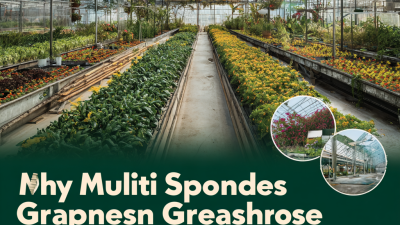
What is the Best Arch Greenhouse for Global Buyers?
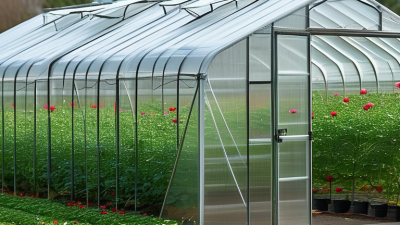
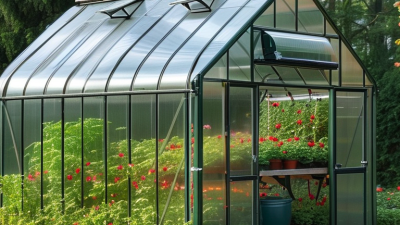
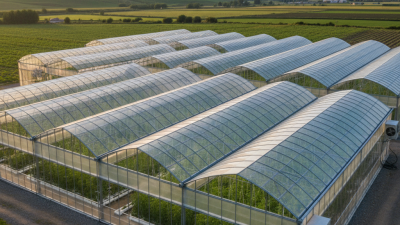
Choosing the right greenhouse can be challenging. Among different types, the Arch Greenhouse stands out for its unique design and functionality. Its arched structure promotes ventilation and maximizes sunlight exposure, essential for plant growth.
Many global buyers seek efficiency and durability in their greenhouse solutions. The Arch Greenhouse offers an excellent balance of cost and performance. Its robust materials withstand diverse weather conditions, ensuring long-term reliability. However, not every model meets the same standards. Researching different brands can help buyers identify the most suitable option.
Investing in an Arch Greenhouse requires careful consideration. Factors such as climate, available space, and intended use must be assessed. Potential users should reflect on their specific needs to avoid common pitfalls. Selecting the right greenhouse involves more than just aesthetics; it's about creating an optimal environment for plants.
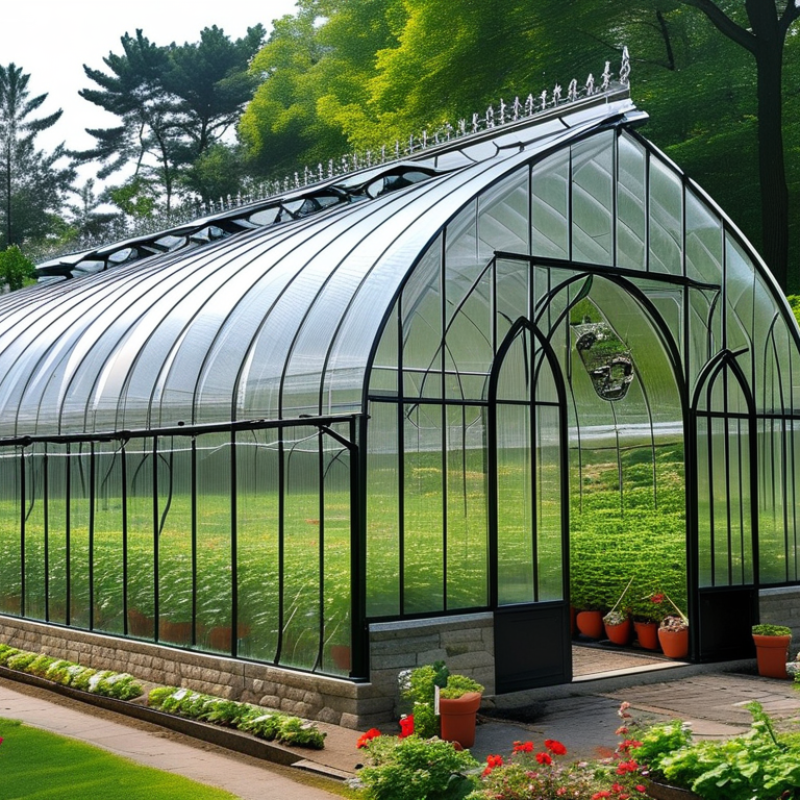
Key Features to Consider When Choosing an Arch Greenhouse
When selecting an arch greenhouse, certain key features can significantly enhance your experience. One important aspect is size.
A larger greenhouse provides more space for plants but requires a greater investment. Assess your gardening ambitions to choose the right dimensions that balance your budget and your goals.
Another critical feature is the material used for construction. Common choices include polyethylene film and polycarbonate panels.
Each offers different insulation properties and durability levels. Consider your local climate when making this decision. For warmer regions, UV-resistant materials may be important to protect plants from harsh sunlight.
Ventilation is another vital element to reflect on. Proper airflow prevents overheating and humidity buildup, which can harm plant growth.
Adjustable vents or fans can help, but their installation can be tricky. Sometimes, they may not function as well as expected, leading to unexpected temperature shifts. Always plan for maintenance; neglected ventilation may lead to larger issues down the line.
Types of Arch Greenhouses Available in the Market
Arch greenhouses come in various types, each catering to different needs and environments. The most common type is the single-span arch greenhouse. This design features a simple, curved structure, making it easy to assemble. It is ideal for hobbyists or small-scale growers. A double-span arch greenhouse offers more space. It provides better airflow and light distribution. This design is popular among serious gardeners who require larger growing areas.
Another variant is the high tunnel greenhouse. These structures are built without a foundation and can be moved easily. They extend the growing season, allowing for earlier planting and later harvesting. The flexibility of high tunnels appeals to farmers looking to maximize production without a heavy investment. Additionally, there are also rigid-frame arch greenhouses. These structures use stronger materials, providing durability against harsh weather. The trade-off is often a higher initial cost.
Selecting the right arch greenhouse involves considering specific regional conditions. There is no perfect solution for every situation. Each type has its trade-offs in terms of cost, space, and suitability. Buyers should reflect on their individual needs and local climate before making a decision.
Material Options for Durability and Insulation in Arch Greenhouses
Choosing the right material is crucial for arch greenhouses. These materials significantly impact durability and insulation. Common choices include polycarbonate, polyethylene, and glass. Each has unique properties and varying levels of efficiency.
Polycarbonate is widely appreciated for its strength. This material is nearly unbreakable and excellent at retaining heat. However, it can be more expensive than other options.
On the other hand, polyethylene is versatile and affordable. It offers decent insulation benefits but may require more frequent replacement. The quality of the film can affect its lifespan significantly.
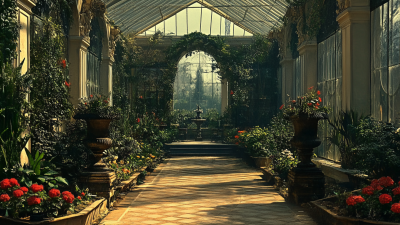
Glass greenhouses provide exceptional light transmission. They enhance photosynthesis, benefiting plant growth. Yet, glass can be heavy and fragile. It needs a robust frame for support, which might increase overall costs.
Reflecting on these options can help buyers understand their specific needs better. Evaluating local climate conditions and budget limitations will steer the selection process. Each choice carries its own set of advantages and challenges.
Comparative Analysis of Leading Arch Greenhouse Brands
When choosing an arch greenhouse, several factors come into play. Buyers often consider durability, insulation, and ease of assembly. These features can significantly affect plant growth and energy efficiency. Some brands may offer thicker frames, providing better structural integrity against harsh weather. Others might highlight their advanced UV-resistant materials. Yet, the true performance can vary based on local conditions, which requires buyers to reflect on their specific needs.
The size and design of the greenhouse also matter. Certain brands provide customizable options to fit various spaces. This flexibility can benefit urban gardeners or those with limited outdoor areas. However, the assembly process can be challenging, and instructions may not always be clear. Understanding each brand's reputation for customer service is crucial. Some may excel in offering guidance, while others leave buyers feeling unsupported.
Price is another critical element. High-quality arch greenhouses may come at a premium, yet they can prove cost-effective in the long run. Balancing features against budget restraints often requires careful consideration. It's essential to read reviews and seek opinions from experienced users. Gathering insights can help navigate the complexities of selecting the right greenhouse for diverse gardening aspirations.
Cost Considerations and Budgeting for Global Buyers of Arch Greenhouses
When considering arch greenhouses, global buyers face a myriad of cost factors. The initial investment includes materials like steel frames and durable coverings. These components vary greatly in price based on quality and local availability. Buyers must carefully weigh the durability versus the cost. Sometimes, lower-quality materials seem appealing, but they may not last long. This reality can lead to frustrating replacements that inflate long-term costs.
Transportation and installation are also significant expenses to think about. Shipping costs differ widely depending on the destination. Buyers must factor in these logistic challenges. Local labor costs for assembly can affect overall budgeting too. In some regions, skilled labor is scarce and quite expensive.
Buyers should also consider ongoing costs such as maintenance and energy usage. Efficient heating and cooling systems may have higher upfront costs. However, they ultimately save money over time by reducing energy expenses. Reflecting on these aspects is crucial. It ensures that the arch greenhouse remains a viable investment for years to come. Rushing these decisions can lead to regrets later on.
What is the Best Arch Greenhouse for Global Buyers? - Cost Considerations and Budgeting for Global Buyers
| Greenhouse Type |
Size (sq ft) |
Approx. Cost ($) |
Material |
Climate Suitability |
| Basic Arch Greenhouse |
100 |
500 |
Polyethylene |
Mild to Moderate |
| Premium Arch Greenhouse |
200 |
1,200 |
Polycarbonate |
Cold to Tropical |
| Custom Arch Greenhouse |
300 |
2,500 |
Aluminum/Glass |
Versatile |
| Eco-Friendly Arch Greenhouse |
150 |
800 |
Recycled Materials |
Moderate |