In 2026, global buyers are examining the Multi-Span Greenhouse as a practical bridge between open-field farming and fully controlled production. Its connected bays create a larger growing climate, while shared heating, irrigation, ventilation, and handling systems can reduce duplicated equipment. Yet bigger is not automatically better. A poorly designed structure may turn sunlight into trapped heat, wasted water, and difficult maintenance.
Market reports show why this category is gaining attention. MarketsandMarkets’ Greenhouse Horticulture Market report identifies climate control, automation, and protected cultivation as major growth drivers. The FAO’s AQUASTAT programme reports that agriculture still accounts for roughly 70% of global freshwater withdrawals. Efficient fertigation and recirculation therefore matter, especially in dry regions. These figures require caution. Market boundaries differ, and water savings depend on crop, climate, and operator skill.
Dr. Merle Jensen, a pioneer in controlled-environment agriculture at the University of Arizona, described the greenhouse as “a solar collector.” That simple idea remains useful in 2026. Roof orientation, shading screens, thermal curtains, and glazing quality decide how much solar energy becomes productive growth. Experienced buyers should also inspect wind loads, corrosion protection, spare-parts access, and local service capability. A low purchase price can become expensive after one failed climate-control component.
The best Multi-Span Greenhouse is not identical worldwide. Northern growers may prioritise insulation and heating efficiency. Tropical growers may need strong ventilation, rain protection, and cooling. This guide compares those trade-offs, while admitting an uncomfortable truth: no supplier can promise maximum yield without reliable local data.
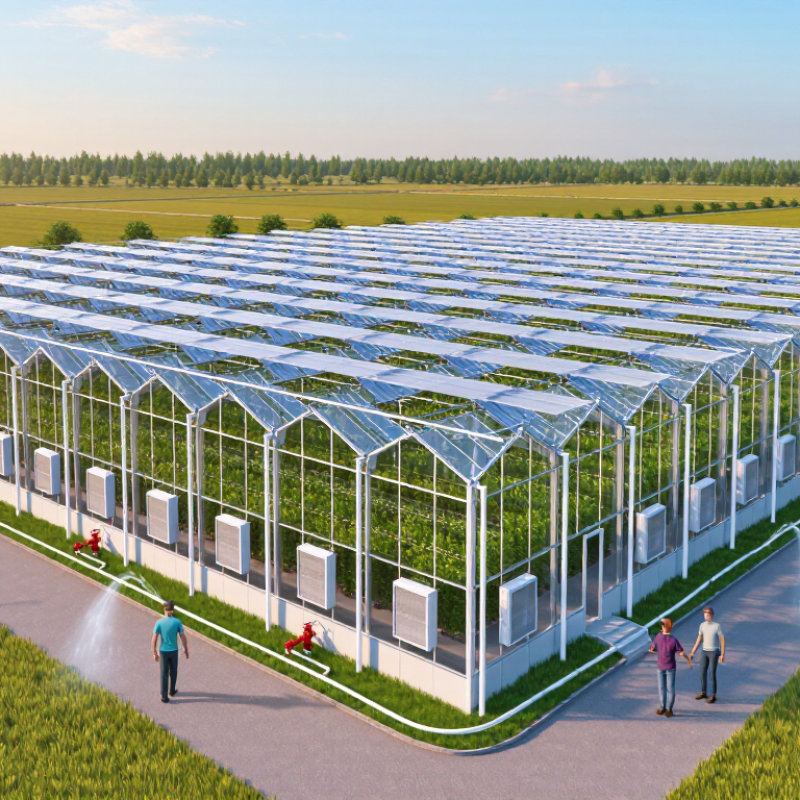
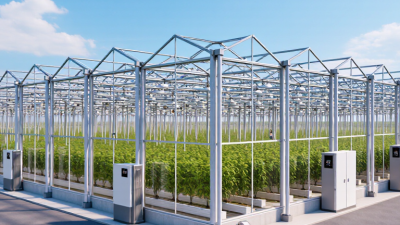
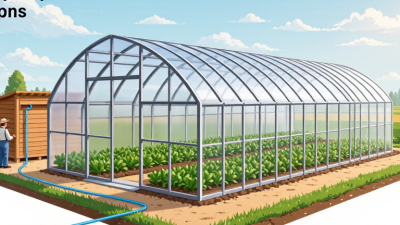
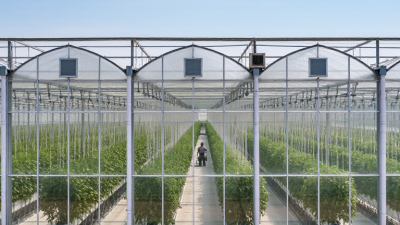
A multi-span greenhouse is a connected growing structure made from several greenhouse bays. Each bay shares a wall, frame, and often a common roof gutter. This design creates one larger production area than separate single-span tunnels. It is not one tunnel. It is a coordinated growing system.
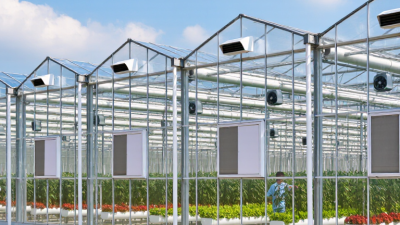
Farmers use multi-span structures for vegetables, flowers, seedlings, and research crops. The wider interior supports efficient irrigation, climate control, and crop movement. Roof vents can release hot air, while circulation fans reduce humid pockets near leaves. In colder regions, buyers may need stronger frames, insulated coverings, and reliable heating. In warm climates, shade screens and evaporative cooling can matter more.
The best design depends on local wind, snow, sunlight, water quality, and labor habits. A greenhouse suitable for coastal weather may perform poorly in a dry inland area. Site inspections should check drainage, access roads, power supply, and foundation conditions. Small mistakes become expensive inside a large structure.
A multi-span greenhouse can improve land use and daily workflow. However, its scale requires careful planning. If ventilation is undersized, heat and disease pressure may rise quickly. If automation is too complex, workers may avoid using it. Practical layouts often outperform impressive specifications. That lesson is easy to overlook.
The 2026 best multi-span greenhouse is not identical for every global buyer. Its performance depends on climate, crops, labor, and available utilities. A sound design begins with the site. Engineers should assess wind direction, snow load, sunlight, drainage, and local building requirements. Small mistakes here can become expensive repairs.
Multi-span structures connect several bays under one roof. Their shared gutters improve land use and simplify water collection. Bay width, gutter height, and roof vents must match the crop and climate.
Tall plants need greater clearance. Hot regions often require large roof vents, side curtains, circulation fans, and shade systems. Cold regions may need insulated coverings, heating zones, and stronger frames.
Configuration should also support daily work. Clear service paths help workers move carts and inspect plants. Irrigation lines should allow separate watering zones. Climate controls need reliable sensors, backup power, and simple manual options. Automation is useful, but it should not become a single point of failure. I have found that buyers sometimes focus on the frame and overlook drainage or maintenance access. That choice can weaken long-term value. No design is perfect. A professional review, realistic operating budget, and phased expansion plan usually create a safer investment.
Choosing the best multi-span greenhouse in 2026 starts with climate, not frame size. A coastal site may face salt-laden wind, while an inland site may experience sharp night cooling. IPCC’s Sixth Assessment Report confirms that heat extremes are becoming more frequent and intense. Therefore, ventilation area, roof height, shading, and wind resistance deserve early attention.
Crop demand changes the calculation. Tomatoes require stable temperatures and strong humidity control. Leafy greens tolerate cooler conditions but suffer quickly from heat stress. FAO AQUASTAT reports that agriculture uses about 70% of global freshwater withdrawals. This makes water recovery, gutter design, and irrigation accuracy practical selection factors. A multi-span structure can improve workflow, but it may also increase internal humidity if airflow is poorly planned.
Energy costs need equal scrutiny. The International Energy Agency identifies cooling and electricity efficiency as major priorities in modern food systems. A greenhouse with thermal screens, natural ventilation, and efficient climate controls may reduce operating pressure. Yet technology is not automatically suitable. A grower should compare local sunlight, winter heating demand, crop cycle, and available technical support. Test the vents during windy weather. Check condensation at dawn. Small failures become expensive across several spans. My imperfect view is simple: many buyers overvalue production area and undervalue climate data. That mistake is easy to repeat.
Which Climate and Crop Factors Shape Greenhouse Selection?
| Climate / Growing Condition | Recommended Multi-Span Configuration | Typical Roof and Covering | Ventilation and Cooling Priorities | Heating and Humidity Priorities | Suitable Crops | Important Structural / Operational Factors |
|---|---|---|---|---|---|---|
| Hot and Humid Tropical | High-clearance multi-span house with wide side openings, ridge ventilation, and generous service aisles. | Steep or vented roof profile; diffuse, UV-stabilized polyethylene film or polycarbonate in high-impact areas. | Maximum natural ventilation, insect-screen compatibility, horizontal airflow fans, evaporative cooling where water quality permits, and shade screens. | Limited heating; strong condensation control, adequate air movement, and irrigation scheduling that avoids prolonged leaf wetness. | Tomato, cucumber, sweet pepper, leafy greens, herbs, seedlings, and selected tropical ornamentals. | Corrosion-resistant steel, strong drainage, raised equipment platforms, pest exclusion, and protection against intense rainfall and wind-driven rain. |
| Hot and Dry / Desert | Multi-span structure with high roof volume, external shading, and integrated cooling-pad or fogging zones. | Diffuse greenhouse film or coated glass; retractable shade systems are useful for high solar radiation. | Evaporative cooling, controlled air exchange, dust-resistant fans, and automated shade based on solar radiation and inside temperature. | Heating may be needed at night or in winter; humidity must be managed without excessive water loss. | Tomato, cucumber, pepper, strawberry, lettuce, herbs, and nursery plants with suitable cultivar selection. | Water availability and quality are decisive; include filtration, fertigation, water recycling, dust protection, and anchoring for strong gusts. |
| Warm Temperate | Standard gutter-connected multi-span greenhouse with automated roof vents and optional thermal screens. | Single or double-layer polyethylene film, polycarbonate, or glass selected according to light, durability, and insulation targets. | Natural roof ventilation supplemented by circulation fans; shade screens may be required during summer peaks. | Boiler, heat pump, or hot-water heating may be required seasonally; thermal screens reduce nighttime heat loss. | Tomato, cucumber, pepper, strawberry, lettuce, basil, cut flowers, and young plants. | Balance annual heating cost, winter light transmission, summer ventilation, crop height, and local wind or snow requirements. |
| Cool Temperate | Insulated multi-span greenhouse with energy screens, efficient heating distribution, and automated climate control. | Double-inflated film, multiwall polycarbonate, or insulated glass; diffuse light is beneficial for uniform crop growth. | Roof vents and circulation fans; dehumidification through controlled heating and ventilation is often necessary. | Reliable heating, thermal curtains, root-zone heating where appropriate, and humidity control during cold nights. | Leafy greens, tomato, cucumber, pepper, strawberry, herbs, seedlings, and flowers. | Evaluate fuel availability, heat-storage options, insulation performance, backup power, and winter solar access. |
| Cold Continental | Heavy-duty multi-span greenhouse with high insulation, snow-shedding roof geometry, and redundant heating systems. | Double-layer film, polycarbonate, or insulated glass with low heat-loss performance; roof slope should support snow removal. | Ventilation must avoid rapid heat loss; circulation fans and controlled air exchange help prevent condensation and disease. | Continuous heating may be required in winter; use thermal screens, hot-water storage, pipe protection, and emergency backup power. | Tomato, cucumber, pepper, leafy greens, herbs, strawberry, seedlings, and winter ornamentals. | Local snow load, wind load, frost depth, foundation design, ice management, fuel security, and emergency shutdown procedures are critical. |
| Mediterranean / Mild Winter | Ventilated multi-span greenhouse emphasizing summer heat removal and moderate winter protection. | Diffuse film, glass, or polycarbonate; retractable shade and thermal screens provide seasonal flexibility. | Large roof vents, side curtains, circulation fans, and shade systems; cooling may be required during heat waves. | Usually moderate heating; humidity control and night ventilation help reduce fungal disease pressure. | Tomato, cucumber, pepper, strawberry, lettuce, herbs, cut flowers, and nursery crops. | Prioritize ventilation capacity, water efficiency, shade control, solar exposure, and resistance to seasonal high winds. |
| High-Altitude / Strong Solar Radiation | Reinforced multi-span greenhouse with high light transmission, strong anchoring, and adjustable shading. | UV-resistant diffuse film, polycarbonate, or glass; covering selection should account for ultraviolet exposure and hail risk. | Fast temperature response, roof ventilation, circulation fans, and shade screens to reduce midday heat stress. | Night heating may be necessary because of large day-to-night temperature swings; condensation prevention is important. | Tomato, pepper, cucumber, leafy greens, strawberry, flowers, and high-value seedlings. | Consider altitude-related UV exposure, hail, frost, lower air density, site access, foundation conditions, and water pressure. |
| Coastal / High-Wind | Aerodynamically braced multi-span structure with corrosion-resistant components and secure curtain systems. | Toughened glass, polycarbonate, or reinforced UV-stabilized film; select coverings according to impact and salt exposure. | Ventilation openings should include reliable locking systems and wind sensors to close vents automatically during storms. | Heating depends on latitude; dehumidification and corrosion prevention are essential in salty, humid air. | Tomato, cucumber, pepper, leafy greens, herbs, flowers, and propagation crops. | Verify site-specific wind speed, foundation anchoring, drainage, galvanization or equivalent corrosion protection, and storm-response procedures. |
The best multi-span greenhouse in 2026 should match local climate, crops, and labor capacity.
A strong galvanized steel frame resists wind, snow, and daily moisture. Yet thicker steel alone does not guarantee reliability. Engineers must check span width, foundation depth, roof load, and local structural codes.
Climate control defines real performance.
Automatic roof vents, side ventilation, circulation fans, and screened inlets help manage heat and humidity. Precise sensors should monitor temperature, relative humidity, light, and carbon dioxide.
Energy-saving screens can reduce heat loss during cold nights. Drip irrigation and fertigation systems should deliver measured water to each plant, while drainage prevents standing water near roots.
A perfect greenhouse does not exist. Poor calibration can still waste energy and reduce yield.
Tips:
Ask suppliers for wind and snow calculations, material specifications, warranty terms, and maintenance guidance. Inspect sample joints, gutters, screens, and door seals before ordering. Choose controls with simple manual overrides and readable data. Local technicians matter, especially when sensors fail during peak production. Buyers should also compare replacement-part availability, installation training, and expansion options. A cheaper structure may become expensive when imported parts arrive slowly. Consider worker movement too. Narrow paths, slippery floors, or difficult vents create daily risks and lower efficiency. Evaluate the site after rain, not only under bright showroom conditions.
For global buyers, evaluating a multi-span greenhouse starts with the supplier, not the catalogue image. Request engineering drawings, material specifications, factory photographs, and recent project references. A reliable supplier should explain steel grades, coating thickness, film or glass performance, ventilation capacity, and expected service life. Ask who supervises installation and how replacement parts will be supplied.
Costs need a complete breakdown. Include greenhouse structure, covering, heating, cooling, irrigation, automation, packing, freight, insurance, duties, and installation. A low quotation may exclude essential systems. Check payment milestones carefully.
Compare delivered project costs, not only the factory price. Currency changes can also damage a carefully planned budget. Keep a reasonable contingency.
Compliance requires local verification. Confirm wind, snow, seismic, fire, electrical, and drainage requirements with qualified professionals in the destination country. Request test reports, material certificates, manuals, and warranty terms before signing. The supplier should identify which documents it provides and which approvals remain the buyer’s responsibility. Never assume one country’s design is suitable everywhere.
Small details matter.
During supplier discussions, record response times and technical clarity. Slow answers may indicate weak support later, although this is not always true.
An on-site audit can reveal poor storage, inconsistent welding, or missing quality checks. I have seen projects focus heavily on price and regret ignoring after-sales service. That judgment can be improved by checking references from climates similar to the installation site.