Plastic Film Greenhouse

Top 10 Tunnel Greenhouse Types for Global Buyers

Choosing a Tunnel Greenhouse is not just a matter of comparing prices or picking the largest frame. Buyers need to match the structure to local weather, crop needs, available space, and daily labor. A design suited to a mild coastal climate may struggle under heavy snow or strong seasonal winds. Small details matter: door width, anchor depth, ventilation openings, and the way a film cover is secured.

This guide explores ten common tunnel greenhouse types for buyers across different markets. It compares practical options, from simple single-span structures to larger multi-bay designs, and explains where each may fit. No type is best for every farm. Really. A low-cost model can be a sensible starting point, but only if its frame, covering, and anchoring suit the site. Likewise, a sturdy structure may bring extra expense and assembly demands that a small grower does not need.

Use the comparisons as a starting point, not a substitute for checking local conditions and supplier specifications. Ask about frame materials, covering lifespan, ventilation, replacement parts, and installation support. A brochure can look reassuring; the details deserve a closer look. Even careful planning leaves some uncertainty, especially when weather patterns or labor needs change. The right choice is the one that fits the growing plan and can be maintained reliably over time.
Top 10 Tunnel Greenhouse Types for Global Buyers

What Defines a Tunnel Greenhouse and How Does It Work?

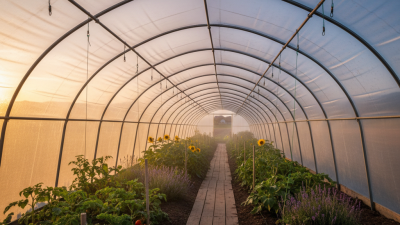
A tunnel greenhouse is a crop-growing structure with a curved or peaked frame, usually covered by a single layer of plastic film. Unlike a fully climate-controlled greenhouse, it generally relies on sunlight and natural airflow. The cover traps warmth, while roll-up sides, doors, or roof vents release excess heat and moisture. Inside, you might see raised beds, drip lines, and condensation beading overhead on a cool morning.

Simple, but not effortless.

Its performance depends on site, orientation, cover condition, and daily venting. USDA Natural Resources Conservation Service reporting says its High Tunnel Initiative had helped install more than 13,000 structures by 2015. That figure describes one US support program, not the global tunnel market. FAO’s Good Agricultural Practices for Greenhouse Vegetable Crops guidance also emphasizes climate management and ventilation as core parts of protected cultivation.

A tunnel can extend the growing season, reduce direct rain on leaves, and buffer wind. It does not guarantee a stable temperature. On a sunny spring day, an unvented tunnel can overheat quickly; on a cold night, heat may escape just as quickly.

That trade-off matters. Even experienced growers sometimes misjudge it.

Which Structural Features Distinguish Tunnel Greenhouse Types?

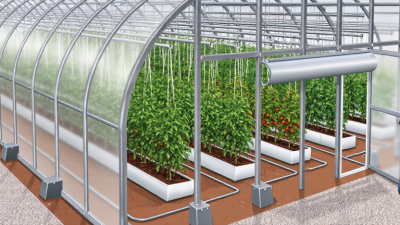
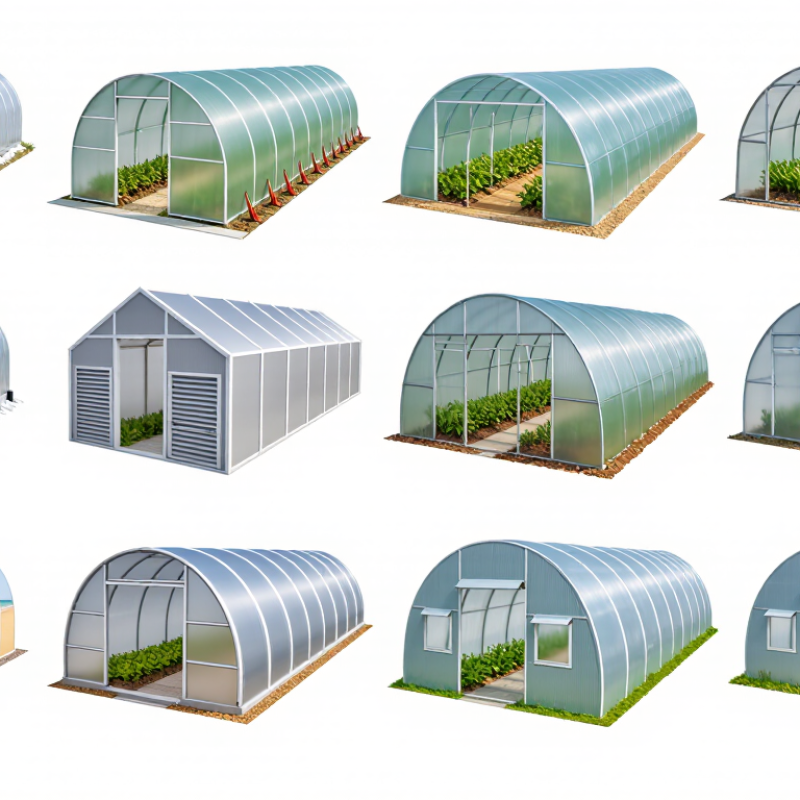
Tunnel greenhouse types differ less by their plastic skin than by frame geometry, span, anchoring, and ventilation. A Quonset tunnel uses rounded hoops, giving it a simple, economical frame, but its curved sides can limit usable edge space. A gothic arch has a sharper peak that sheds snow more readily. Multi-bay tunnels connect several spans at shared gutters, creating a broad growing area, though their larger roof area demands careful wind-load design.

USDA NRCS Conservation Practice Standard 325 uses a six-foot peak-height threshold for qualifying high tunnels in its program. That is a practical reference, not a universal design rule. Buyers should also compare pipe diameter, hoop spacing, ground posts, end-wall bracing, and whether sidewalls roll up for cross-ventilation. Small differences matter. A narrow hoop interval can stiffen a frame, while weak end bracing may still leave it vulnerable to gusts.

The FAO’s Good Agricultural Practices for Greenhouse Vegetable Crops highlights ventilation, crop climate, and structure design as linked management concerns. For buyers, this means matching openings and frame strength to local heat, rainfall, wind, and snow—not choosing by shape alone. Coastal sites may need stronger anchoring; snowy regions benefit from steep roofs and reliable load ratings. A multi-span layout can improve workflow, but repairs are less simple when several bays share structural members. No type wins everywhere; site measurements should guide the choice.

Top 10 Tunnel Greenhouse Types for Global Buyers

Tunnel greenhouses suit many climates, but no single design fits every site. Global buyers often compare Quonset, gothic-arch, and straight-side high tunnels, along with single-span and multi-span layouts. Quonset frames are simple and economical, while gothic peaks provide extra headroom and can help shed snow. Straight sidewalls make it easier to position benches and equipment. Small details matter.

Single-span houses allow separate climate control and simpler repairs. Multi-span structures use land efficiently, though shared air can make humidity management harder. Sawtooth roofs can improve natural ventilation in suitable locations, but their openings need protection from driving rain. Retractable-roof tunnels offer flexible exposure, yet moving parts add maintenance. Wind, snow load, soil drainage, crop height, and access to replacement film should guide selection. A common mistake is choosing by price alone. The cheapest frame may need costly reinforcement in a windy coastal area.

Tips: Ask suppliers for local load calculations and clear specifications for steel thickness, anchoring, film life, and ventilation area. Check that doors fit carts and harvest bins. Compare the installed cost, not just the frame price. A layout that looks spacious on paper may feel cramped once irrigation lines and crop rows are in place.

How Do Materials and Climate Controls Vary Across Designs?

Top 10 Tunnel Greenhouse Types for Global Buyers
How Do Materials and Climate Controls Vary Across Designs?

Tunnel designs range from low crop covers and walk-in high tunnels to Quonset and Gothic arches. Single-span structures suit smaller plots; multi-span and ridge-and-furrow layouts use land efficiently. Sawtooth roofs can release hot air, while retractable-roof and insect-screen tunnels prioritize airflow. No design wins everywhere. A low tunnel may protect seedlings from wind, but it offers little room for workers or equipment.

Most frames use galvanized steel, though lighter materials may suit temporary setups. Covers include polyethylene film, woven shade fabric, insect mesh, and rigid polycarbonate panels. Film is economical and easy to replace, but may need more frequent maintenance. Rigid panels can provide stronger insulation, yet add weight and cost. Climate controls should match the cover and local conditions: roll-up sides, roof vents, shade cloth, fans, or heating may help. Humidity still catches growers out; vents alone may not prevent condensation in still weather.

Tips: Check local wind and snow loads before choosing an arch or frame. Compare replacement-cover availability, not just purchase price. In hot regions, prioritize ventilation and shade; in cold areas, assess insulation and safe heat requirements. Ask a local greenhouse specialist to review the site, because even a sound design can perform poorly when poorly oriented.

What Factors Help Buyers Choose the Right Tunnel Greenhouse?

Choosing among the top 10 tunnel greenhouse types starts with your climate and crops, not appearance. A low tunnel can protect leafy greens, while taller structures suit trellised tomatoes and easier movement. Check local wind, snow, and temperature records before comparing frame shapes. Hoop spacing, anchoring, and frame strength affect how well a structure handles harsh weather. Looks can mislead.

Next, consider ventilation, covering material, drainage, and daily access. Roll-up sides can release heat, but they need secure fastening in gusty locations. Ask how long the covering is expected to last under local sunlight, and how easily it can be replaced. On sloped or wet ground, plan drainage before installation; standing water can damage crops and complicate access. Also check shipping dimensions and assembly needs, especially if equipment or skilled labor is limited. A lower purchase price may mean more upkeep. That trade-off is easy to underestimate.

Tips: Measure the site, including door clearance and nearby obstacles. Compare supplier specifications with local weather data, and request details on anchoring and replacement parts. If possible, speak with growers in a similar climate. Their experience may reveal practical issues that a product sheet misses.