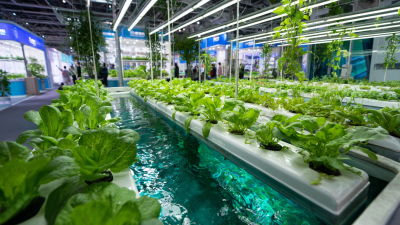
Plastic Film Greenhouse

2026 Best Aquaponics Greenhouse Solutions for Global Buyers?

In recent years, the concept of an "Aquaponics Greenhouse" has gained traction among sustainability-minded entrepreneurs. Experts predict that the market will only continue to grow. Renowned aquaponics specialist Dr. Emily Harper emphasizes, "The future of food production lies in sustainable systems like aquaponics." This speaks volumes about the transformative potential of integrating aquaculture and hydroponics.

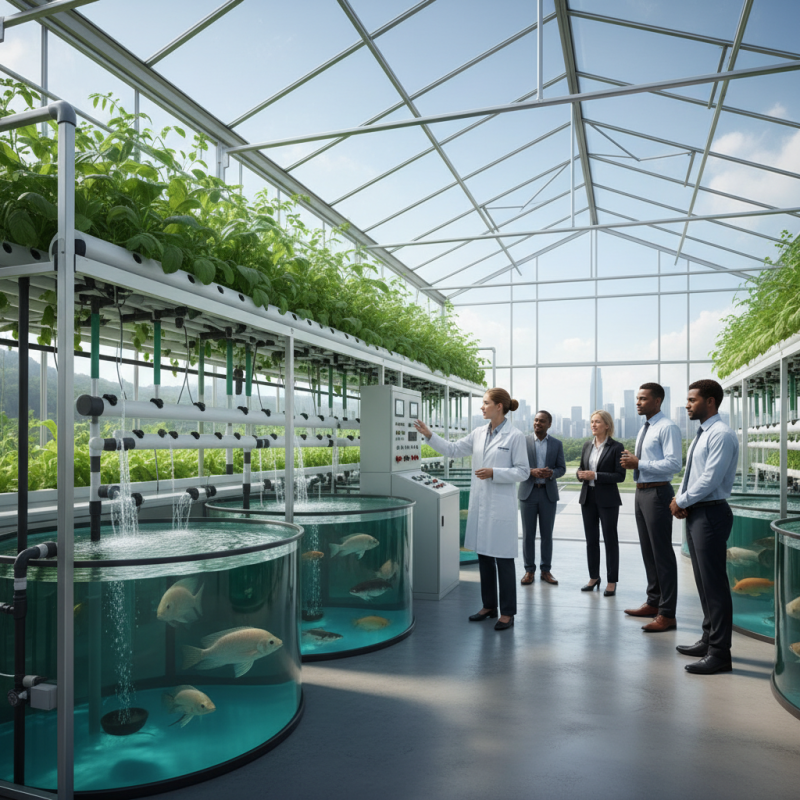
As global concerns about food security and environmental impact rise, buyers seek innovative solutions. Aquaponics greenhouses combine fish farming and plant cultivation. They require less water and space than traditional farming. However, setting up a successful system is not without challenges. Many face technical limitations and initial costs that may overwhelm beginners.

Identifying the right technology is essential. With many options available, finding a solution that suits one's specific needs can be daunting. Networking with industry experts or participating in workshops can provide invaluable insights. The journey to mastering an aquaponics greenhouse is complex, but it offers a rewarding path toward sustainable agriculture.
2026 Best Aquaponics Greenhouse Solutions for Global Buyers?

Overview of Aquaponics and Its Benefits for Sustainable Agriculture

Aquaponics merges aquaculture and hydroponics, creating a vibrant ecosystem. This symbiotic relationship is gaining traction among sustainable agriculture advocates. Research indicates that aquaponics uses 90% less water than traditional farming. This significant reduction addresses growing water scarcity issues worldwide. It offers a viable alternative, especially in arid regions.

The benefits extend beyond water conservation. Aquaponics can yield fresh produce and fish year-round, regardless of climate. The Food and Agriculture Organization reports that urban populations rely more on local food sources. Aquaponic systems can supply fresh food to these areas, reducing transportation emissions. However, technical challenges remain. Optimizing pH levels and managing fish health are crucial for success. These tasks require expertise and constant monitoring.

Performance varies based on system design and operator skills. Some setups do not fully utilize space or energy. Continuous learning and adapting are essential for improvement. Ongoing research and community sharing can enhance efficiency. Industry conferences and forums can bridge knowledge gaps, further empowering growers. Balancing efficiency and sustainability remains a work in progress.
2026 Best Aquaponics Greenhouse Solutions

This chart illustrates the efficiency of aquaponics systems in terms of fish and vegetable production, as well as water and energy usage. The data demonstrates the sustainable advantages of aquaponics for global agriculture in 2026.

Key Features of the Best Aquaponics Greenhouses in 2026

The best aquaponics greenhouses in 2026 focus on efficiency and sustainability. Key features define their success. Climate control systems are crucial. They maintain optimal growing conditions year-round. Advanced sensors and automation save time and energy. Efficient water usage is also vital. Less waste leads to a healthier ecosystem.

Tips: Consider integration of solar panels. They can reduce energy costs significantly. A well-designed layout maximizes space and productivity. Assess local climate factors when selecting greenhouse materials. Make sure your setup can handle regional weather changes.

Customer education is essential. Many buyers still struggle with maintenance. Sharing expertise can lead to better outcomes. Constantly evolving agriculture technologies create opportunities. However, adapting to new systems can be challenging. It's important to remain flexible and open to changes.

Comparative Analysis of Leading Aquaponics Greenhouse Solutions Worldwide

2026 Best Aquaponics Greenhouse Solutions for Global Buyers?

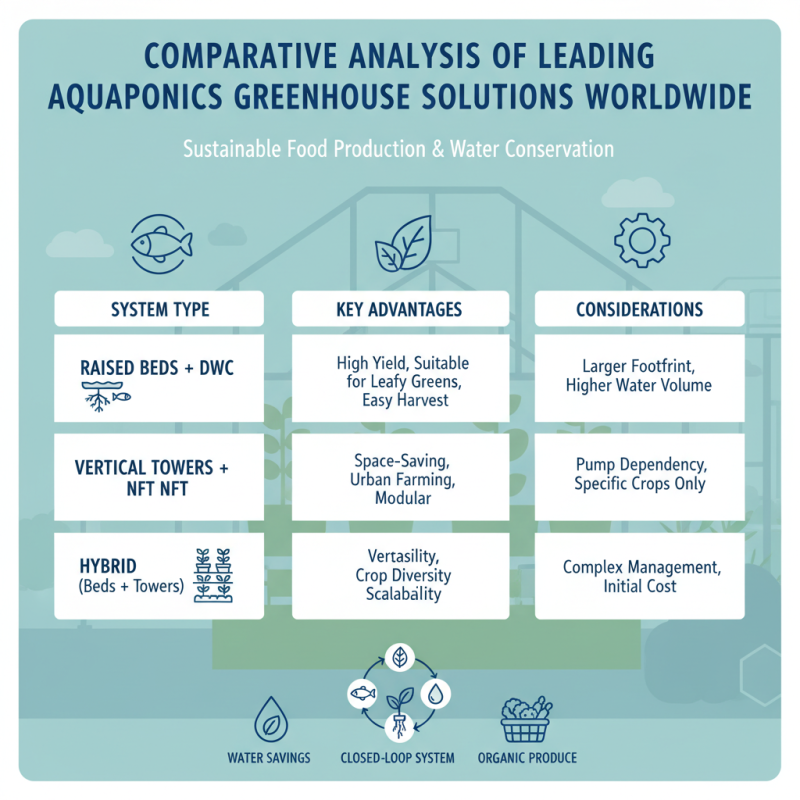
Aquaponics involves a closed-loop system of growing fish and plants together. This method saves water and provides organic produce. Increasingly, buyers are looking for efficient aquaponics greenhouse solutions. A comparative analysis of these systems can reveal strengths and weaknesses.

Some systems focus on scalability. They allow small farms to grow into larger enterprises. Others prioritize ease of use. Simplicity attracts beginners in aquaponics. Detailed observations show that not all easy setups yield desirable results. Efficiency may come at the cost of complexity.

Sustainability remains a critical factor. How well do these systems recycle water and nutrients? A greenhouse solution that is inexpensive may lead to higher operational costs later. It’s vital to assess long-term benefits versus upfront investments. Additionally, optimal climate control is essential but often overlooked. Many systems fall short in extreme weather conditions. Choosing the right greenhouse solution requires reflection on these variances.

Technological Innovations in 2026 Aquaponics Greenhouses

2026 Best Aquaponics Greenhouse Solutions for Global Buyers?

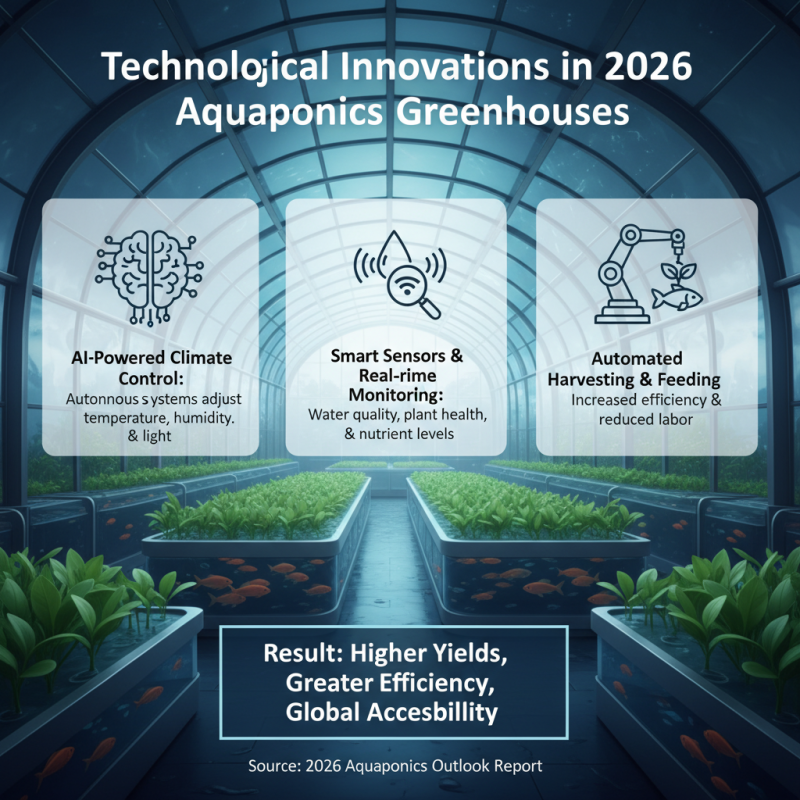
The year 2026 brings exciting advancements in aquaponics greenhouse technology. Innovations are making these systems more efficient and accessible for global buyers. Smart sensors now monitor water quality and plant health in real-time. This data helps optimize growth conditions, ensuring higher yields.

Automated feeding systems simplify the management of fish and plants. They adjust the feed based on consumption patterns, reducing waste. Solar energy integration is becoming a norm. Greenhouses can operate sustainably and lower energy costs significantly.

However, challenges remain. The initial investment in technology can be high, which may deter new users. Not all regions have access to reliable internet for smart systems. Buyers must evaluate their local needs and conditions. Balancing technology with practical use is crucial for successful implementation.

Market Trends and Buyer Considerations for Aquaponics Solutions in 2026

The aquaponics market is evolving rapidly. By 2026, it is projected to grow significantly, with a compound annual growth rate (CAGR) of over 10%. This growth is driven by increasing demand for sustainable food production methods. Global buyers are keen on solutions that minimize water use while maximizing crop yield. Data from industry reports show that aquaponics can reduce water consumption by up to 90% compared to traditional farming methods.

Buyers should consider several factors before investing in aquaponics solutions. The efficiency of the system, scalability, and the types of fish and plants used are crucial. Reports indicate that systems integrating native fish species often yield higher adaptability. Local climatic conditions can affect system performance, which necessitates thorough research.

**Tip:** Always assess the initial investment versus long-term gains. Higher upfront costs may lead to better returns in sustainable practices.

The understanding of nutrient cycling is also vital. A well-balanced ecosystem is crucial for the success of aquaponics. Knowledge of appropriate stocking densities and feeding practices impacts plant health significantly. Buyers should gather insights from credible sources to tailor their systems effectively.

**Tip:** Don’t rush into purchasing. Taking the time to analyze different systems can result in better investment decisions.