Plastic Film Greenhouse

China Best Tunnel Greenhouse Manufacturers Suppliers

Choosing among China Best Tunnel Greenhouse Manufacturers Suppliers requires more than comparing catalogue prices. A reliable Tunnel Greenhouse supplier should understand local climate, crop cycles, installation conditions, and long-term maintenance. Experienced manufacturers can recommend galvanized steel frames, ultraviolet-resistant films, roll-up ventilation, and suitable anchoring systems. These details matter when strong winds, heavy rain, or sharp temperature changes affect production.

Look closely.

A professional supplier should provide clear material specifications, load calculations, production photos, inspection records, and practical installation guidance. Factory experience is valuable, but documented quality control is more convincing. Ask about welding standards, film thickness, replacement parts, delivery schedules, and after-sales support. References from growers using similar greenhouse sizes can reveal problems that brochures often hide. No supplier is perfect. Even a respected manufacturer may overlook drainage, ventilation balance, or regional labor conditions. That is why project drawings and climate data deserve careful review before ordering. Reputable Chinese manufacturers usually support customization for vegetables, flowers, nurseries, and research applications. They may also offer irrigation systems, shading equipment, heating solutions, and environmental controls. However, advanced equipment does not automatically create better yields. Design accuracy, daily management, and operator training remain essential. The strongest partnership combines technical evidence, transparent communication, and realistic expectations. This guide examines practical selection criteria, supplier capabilities, product quality, certifications, and service reliability. It aims to help buyers make informed decisions without relying on exaggerated claims.
China Best Tunnel Greenhouse Manufacturers Suppliers

Tunnel Greenhouses: Structure, Features, and Main Applications

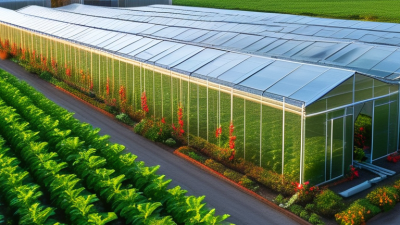
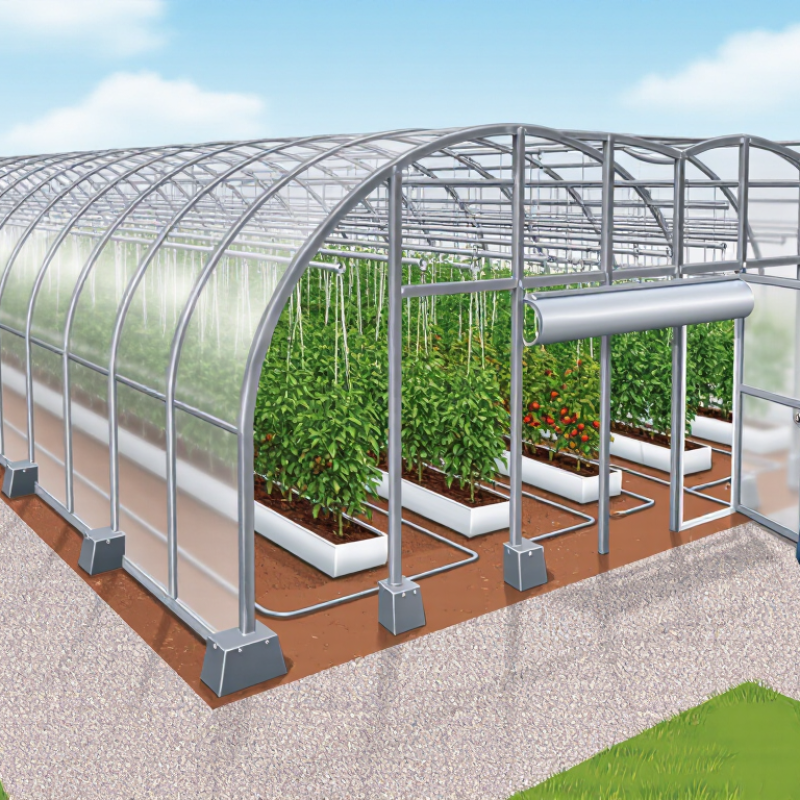
Tunnel greenhouses use repeated curved hoops to create a long, sheltered growing space. Galvanized steel tubes form the main frame, while polyethylene film covers the roof and sidewalls. End walls usually contain doors, vents, or cooling equipment. The structure is simple, but its strength depends on hoop spacing, anchoring depth, and local wind conditions.

They provide useful control over temperature, humidity, rain, and crop exposure. Roll-up side curtains improve airflow during hot afternoons. In colder periods, inner film or thermal screens can reduce heat loss. Drip irrigation delivers water near the root zone, while hanging lines support tomatoes, cucumbers, and other climbing crops. Ventilation matters greatly. Poor airflow can quickly encourage disease.

These greenhouses suit vegetables, flowers, seedlings, herbs, and seasonal fruit production. Farms often use them for early planting, extended harvests, and protected nursery work. They also serve research plots and small-scale commercial agriculture. A tunnel greenhouse is not maintenance-free. Film may tear around fasteners, and wet soil can weaken anchors over time. In coastal or snowy regions, standard designs may need stronger frames and improved drainage. Supplier drawings can appear convincing, yet field conditions often reveal missing details. Checking load calculations, replacement film sizes, spare parts, and installation guidance is practical. The cheapest structure may not remain economical after one difficult season.

Key Factors for Selecting Chinese Tunnel Greenhouse Manufacturers

China Best Tunnel Greenhouse Manufacturers Suppliers

Key Factors for Selecting Chinese Tunnel Greenhouse Manufacturers

Selecting a Chinese tunnel greenhouse manufacturer requires more than comparing online prices. Look for proven experience, precise drawings, and transparent material specifications. Ask how the galvanized steel frame performs in humid, windy, or snowy conditions. Request photographs from completed farms, not only polished factory images. Real evidence matters.

A dependable supplier should explain steel thickness, zinc coating, film grade, ventilation design, and drainage details. Check whether the structure suits your local climate and crop cycle. A technical drawing should show dimensions, anchoring points, door positions, and ventilation openings. Independent test reports can support claims about load capacity and covering-film durability. Avoid vague promises. They often create expensive problems later.

Communication after payment is equally important. Confirm quality inspection, packing methods, spare parts, installation guidance, and response times in writing. Compare the complete cost, including foundations, freight, customs handling, and replacement materials. In practice, a low quotation may exclude essential items. I once underestimated drainage requirements on a small project; water collected beside the beds after heavy rain. That mistake changed how I evaluate suppliers. I now ask for site-specific recommendations and challenge unclear answers. Some manufacturers communicate quickly but provide shallow technical support. Others have strong engineers but slower documentation. That difference deserves careful attention before signing an order.

Leading Tunnel Greenhouse Suppliers in China by Product Expertise

China’s tunnel greenhouse suppliers serve a huge horticultural market. FAOSTAT data for 2022 places China’s vegetable production above 770 million tonnes. That scale demands practical structures, not decorative catalogs. Experienced suppliers usually separate products by climate, crop, and installation method.

Cold northern projects need galvanized steel hoops, reinforced film, and stronger snow-load design. Southern farms often prioritize roll-up ventilation, insect mesh, and rapid drainage. Suppliers with real product expertise can recommend single-span tunnels for vegetables, multi-span systems for commercial acreage, and small tunnels for seasonal trials. The Ministry of Agriculture and Rural Affairs has reported China’s facility agriculture area above 40 million mu in recent national updates. That figure shows why component compatibility matters.

Product quality appears in small details. Film thickness, anti-drip treatment, connector strength, and door alignment affect daily labor. Irrigation options should match crop spacing and water pressure. However, supplier claims still deserve inspection. A thicker film is not automatically better. A stronger frame may increase installation costs and reduce usable space. Some specifications look impressive but omit wind-speed testing or replacement plans. Ask for load calculations, material certificates, sample joints, and farm references. The FAO’s 2023 greenhouse-gas guidance also supports efficient resource use, making ventilation and water control important selection factors. Good suppliers explain limitations clearly. That honesty is useful.

China Best Tunnel Greenhouse Manufacturers Suppliers - Leading Tunnel Greenhouse Suppliers in China by Product Expertise

Product Expertise Typical Greenhouse Structure Common Covering Material Typical Span and Length Ventilation Configuration Suitable Applications Key Selection Considerations
Multi-Span Film Tunnel Greenhouse Galvanized steel arches with connected bays and ground anchoring UV-stabilized agricultural polyethylene film, commonly 120–200 microns Usually 6–12 m per bay; length commonly 30–100 m or project-designed Roll-up side vents, end vents, or roof vents depending on climate Vegetables, flowers, nurseries, and commercial crop production Wind and snow loads, drainage, film life, bay connection, and foundation method
Single-Span Tunnel Greenhouse Arched galvanized tube frame with open or enclosed ends Polyethylene greenhouse film or reinforced plastic film Common widths of 6–10 m; length adapted to the site and crop Manual or motorized roll-up sidewalls with screened end doors Small farms, seasonal production, seedling propagation, and research plots Installation speed, local wind exposure, access width, and irrigation layout
High Tunnel Greenhouse Tall arched frame designed to provide increased crop clearance and air volume Double-layer or single-layer UV-treated polyethylene film Typically 7–12 m wide, with lengths configured for the growing area Full-length roll-up sides, end-wall vents, and optional ridge ventilation Tomatoes, cucumbers, peppers, berries, and trellised crops Peak height, trellis support, condensation control, and summer cooling capacity
Vegetable Production Tunnel Corrosion-protected steel hoops with crop-support wires or trellis accessories Diffused, anti-drip, and UV-stabilized polyethylene film options Commonly 6–10 m span; length selected according to field logistics Side roll-up ventilation and insect-screened openings Leafy greens, tomatoes, cucumbers, peppers, and herbs Film light transmission, humidity management, crop height, and sanitation access
Nursery and Seedling Tunnel Lightweight arched frame with benches, propagation zones, and optional internal curtains Diffused greenhouse film, shade cloth, or insect netting Often 6–9 m span; modular lengths support phased expansion Roll-up sides, screened doors, and optional circulation fans Vegetable seedlings, ornamental plants, forestry seedlings, and grafting work Uniform light, temperature control, bench layout, hygiene, and misting compatibility
Rain Shelter Tunnel Open-sided arched steel structure focused on overhead weather protection Clear polyethylene film or reinforced waterproof plastic sheet Commonly 6–10 m span with site-specific length Natural ventilation through open sides and ends Berries, cherries, table grapes, tomatoes, and disease-sensitive crops Rainwater runoff, side stability, crop access, and protection from local weather
Insect-Proof Tunnel Steel hoop frame enclosed with insect netting and screened access points Insect-proof mesh, often selected by mesh size and target pest Usually 5–10 m span; length depends on crop blocks and field configuration Natural airflow through mesh walls; fans may be added in low-wind areas Virus-sensitive vegetables, nurseries, herbs, and integrated pest management Mesh aperture, airflow resistance, entry vestibules, anchoring, and pest pressure
Climate-Controlled Tunnel Reinforced tunnel frame with integrated environmental-control equipment Double-layer polyethylene film or film combined with thermal screens Commonly 8–12 m span; length engineered around equipment and crop workflow Motorized roof or side vents, exhaust fans, evaporative cooling, and air circulation High-value vegetables, flowers, propagation, and extended-season production Power availability, automation compatibility, thermal performance, and maintenance access
Cold-Climate Tunnel Heavy-duty galvanized steel arches with additional bracing and reinforced end walls Double-layer film, thermal film, or film with an internal insulating curtain Typically 6–10 m span; dimensions depend on regional snow and wind loads Adjustable side vents, end vents, and optional mechanical air exchange Winter vegetables, cold-region nurseries, and season-extension projects Design snow load, snow-shedding shape, heating requirements, insulation, and foundation depth

Note: Dimensions and material specifications shown are representative configurations commonly used for tunnel greenhouse projects in China. Final specifications should be confirmed against local wind, snow, temperature, crop, and installation requirements.

Manufacturing Standards, Customization, and Quality Control

China Best Tunnel Greenhouse Manufacturers Suppliers

Reliable tunnel greenhouse production begins with measurable standards, not attractive catalog images. Manufacturers should select galvanized steel according to local wind, snow, and humidity conditions. Tube diameter, coating thickness, and joint strength require documented specifications. Welds need visual checks and sampling tests. Film should meet stated thickness and light-transmission requirements. Small details matter.

Customization should follow the grower’s actual workflow. A supplier may adjust span width, roof height, side ventilation, doors, shading, and irrigation layouts. In hot regions, larger vents can improve airflow. In colder areas, stronger frames and tighter film fixing may be necessary. Factory engineers should review drawings with the buyer before production. One missed measurement can create expensive field changes.

Quality control is stronger when each batch remains traceable. Inspectors should record raw materials, cutting accuracy, weld condition, coating appearance, and packing lists. Trial assembly can reveal misaligned arches or missing clamps. It is practical experience, not paperwork alone. No workshop is perfect. Even a careful inspection can miss a damaged connector during loading. Photos, random rechecks, and clear replacement procedures improve accountability. Buyers should also request installation guidance, maintenance instructions, and realistic delivery records. A dependable supplier explains weaknesses openly instead of promising flawless performance.

Export Services, Pricing, Installation, and After-Sales Support

China Best Tunnel Greenhouse Manufacturers Suppliers

Reliable tunnel greenhouse suppliers provide more than steel frames and plastic covers. Experienced teams confirm crop type, local climate, wind loads, and available land before quoting. Export services should include commercial invoices, packing lists, loading photographs, and clear shipping terms. Check material thickness and corrosion protection carefully. Small specification differences can affect service life.

Pricing depends on span, length, ventilation, irrigation, shading, and covering film. A useful quotation separates materials, accessories, freight, and installation costs. Cheap offers may exclude anchors, side curtains, or replacement parts. That creates problems later. Ask for drawings with dimensions and foundation details. Suppliers should also explain production schedules, inspection steps, and payment protection within applicable laws.

Installation support can include remote guidance, video training, and on-site technicians when available. Clear instructions help local workers assemble arches, bracing wires, doors, and film safely. After-sales service should cover spare parts, maintenance advice, and response times. Request warranty terms in writing, including exclusions for storms, misuse, and incorrect assembly. Real field conditions are rarely perfect. A supplier may need to revise the ventilation plan after reviewing local temperatures. That flexibility often matters more than polished sales language.