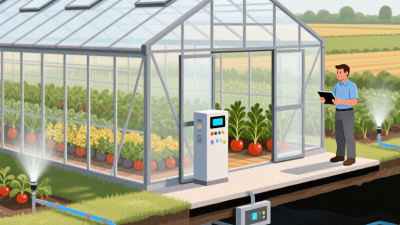
How to Choose the Right Industrial Greenhouse?
Choosing an Industrial Greenhouse is not just a matter of comparing frame prices. The structure must fit the crop, local climate, labor plan, and route to market. A tomato operation in a hot, humid region faces different demands from a nursery growing young plants in a cool climate. Look closely at the details: roof vents, shading, heating, irrigation, and the space needed for carts and harvest crews.
Industry data shows why the decision deserves careful planning. USDA’s 2019 Census of Horticultural Specialties reported $13.8 billion in U.S. horticultural sales, including greenhouse and nursery businesses. That figure signals a substantial sector, but it does not prove that every facility will be profitable. Site-specific costs matter. So do energy prices, water quality, crop cycles, and the skills of the operating team.
Dr. Murat Kacira, director of the University of Arizona’s Controlled Environment Agriculture Center, is a relevant expert in controlled-environment production. A practical takeaway from his field is simple: match greenhouse design to crop needs, climate, and operating capacity. Treat that as guidance, not a universal formula. Some choices remain uncomfortable; a highly automated system may save labor but raise capital costs. There is no perfect greenhouse.
This guide’s outline will compare greenhouse types, materials, climate-control systems, and essential planning questions. It will also examine where buyers should request engineering details, operating estimates, and supplier references. The goal is a sound decision, not a glossy brochure.
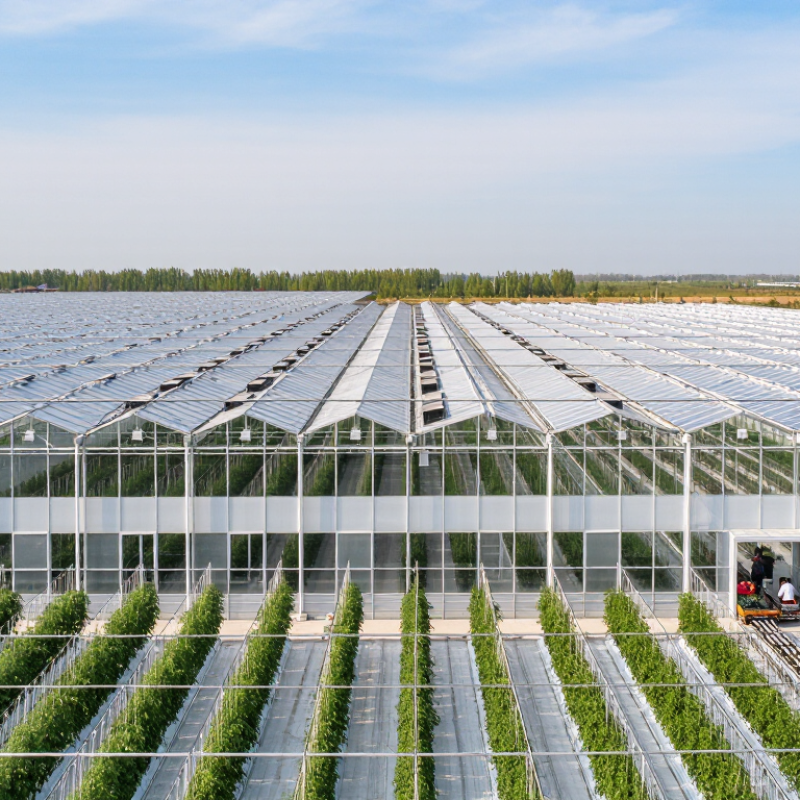
Identify Production Goals, Crop Needs, and Site Conditions
Choosing an industrial greenhouse starts with a clear production target, not a frame shape. Estimate weekly harvest volume, sales windows, labor availability, and acceptable energy costs. A leafy-green operation may value quick crop cycles and uniform benches. A tomato grower may need taller bays, strong trellising, and reliable climate control. Be specific. Include space for packing and irrigation equipment, not just growing area.
Crop requirements should guide glazing, ventilation, heating, and irrigation choices. Record preferred day and night temperatures, humidity, light levels, and root-zone conditions for each crop. Then compare these needs with seasonal conditions at the site. Hot afternoons can make roof vents and shade systems essential; cold nights may increase heating demand. Seedlings often need steadier conditions than mature plants. Mixed crops complicate climate control.
Walk the site after rain. Check drainage, slope, wind exposure, water quality, electrical service, and access for delivery trucks. Note shadows from trees or buildings at different times of day. Ask a qualified greenhouse designer or engineer to verify structural loads against local climate data. Even careful plans can overlook wet paths or muddy work areas. Leave room to expand, but test labor and energy budgets before choosing a larger structure.
Compare Greenhouse Structures and Covering Materials
Choosing an industrial greenhouse starts with its frame and the loads it must carry. A gutter-connected steel structure can create broad, efficient growing bays, but it needs corrosion protection and reliable drainage. Aluminum resists rust and is lighter, though it may cost more and have different span limits. Hoop houses use simpler curved frames and can suit tighter budgets, but interior height and equipment layouts may be less flexible. Details matter. Wind, snow, and suspended crop systems all affect the structure choice.
Covering materials influence light, heat, durability, and operating costs. Glass transmits light well and can last for years, but its weight requires a stronger frame, and breakage remains a concern. Twin-wall polycarbonate provides insulation and handles impacts well, though dust or condensation between panels can reduce clarity if installation is poor. Polyethylene film is lightweight and economical, but usually needs earlier replacement and offers less insulation unless layered. Compare measured light transmission and insulation, not just material names. A clear panel may feel bright at noon yet still leave heating bills high on cold nights. It depends. A comparison chart helps, but it cannot replace checking local weather exposure, repair access, and the crops’ light needs.
How to Choose the Right Industrial Greenhouse? - Compare Greenhouse Structures and Covering Materials
Greenhouse Structure Comparison
| Structure Type |
Typical Configuration |
Key Advantages |
Considerations |
Common Applications |
| Hoop / Quonset |
Curved arches form a rounded roof; often used as a single-span house. |
Simple geometry, relatively economical construction, and efficient rain runoff. |
Usable headroom near the sidewalls is limited; snow and wind capacity depend on frame spacing, materials, and engineering. |
Season extension, nurseries, and smaller-scale production. |
| Gothic Arch |
Pointed, curved roof profile, usually built as a single span. |
The steeper roof helps shed rain and can improve snow shedding compared with a shallow arch. |
Frame design and anchoring must still be engineered for local wind and snow loads. |
Regions with seasonal snow or growers needing a single-span layout. |
| Gable / Even-Span |
Two roof slopes meet at a ridge, creating a conventional pitched roof. |
Provides useful interior headroom and works with a wide range of ventilation and glazing systems. |
More structural components and joints may be required than in a basic hoop design. |
Commercial crop production, research, and facilities requiring flexible equipment layouts. |
| Multi-Span / Gutter-Connected |
Several bays share gutters and a connected roof structure. |
Efficient use of site area and shared interior space; suitable for centralized climate-control systems. |
Gutters need regular maintenance, and ventilation or climate zones may require careful planning. |
Large-scale production and operations that need connected growing areas. |
| Sawtooth |
Repeated roof sections include raised, often glazed openings for ventilation. |
Can support passive hot-air exhaust and controlled daylight entry when designed for prevailing conditions. |
Performance depends on wind direction, vent design, and local climate; the roof layout can be more complex. |
Warm-climate production and facilities prioritizing natural ventilation. |
Covering Material Comparison
| Covering Material |
Approximate Light Transmission |
Typical Service Life |
Advantages |
Limitations |
| Single-Layer Greenhouse Polyethylene Film |
About 85–90% when new and clean; varies by film formulation and light conditions. |
Often around 3–4 years for UV-stabilized greenhouse film; product and exposure affect lifespan. |
Low initial cost, light weight, and relatively quick replacement. |
Less insulating than multi-layer coverings and requires periodic replacement; condensation and tearing can be concerns. |
| Double-Layer Inflated Polyethylene Film |
Generally lower than a single layer; the exact value depends on the film and installation. |
Often around 3–4 years for UV-stabilized film, subject to product and climate. |
An air space between layers reduces heat loss compared with a single film layer. |
Needs a blower system and sound installation; the second layer can reduce incoming light. |
| Twin-Wall Polycarbonate Panels |
Commonly about 75–85%, depending on thickness, color, and panel design. |
Often approximately 10–15 years; UV protection and environmental exposure matter. |
Better insulation than single glazing, relatively impact-resistant, and lighter than glass. |
May become scratched or discolored over time; panel channels and edges need proper sealing. |
| Horticultural Glass |
Often around 88–92% for clear glass, depending on glass type and surface condition. |
Typically 20 years or more with suitable framing and maintenance. |
High light transmission, long service life, and resistance to surface scratching. |
Heavy and breakable; framing and installation must support the glass and local design loads. |
| Tempered Glass |
Similar to clear horticultural glass; transmission depends on glass specification. |
Typically 20 years or more when properly installed and maintained. |
Heat-treated for greater impact resistance than ordinary annealed glass; breaks into smaller fragments. |
Higher material and installation cost than film; still requires suitable structural support. |
Selection note: Light-transmission and service-life figures are approximate ranges, not guarantees. Actual performance varies with product specifications, installation, cleaning, aging, and local conditions. Have the greenhouse frame, foundations, and covering system designed for applicable wind, snow, and other site-specific loads.
Assess Climate Control, Irrigation, and Automation Systems
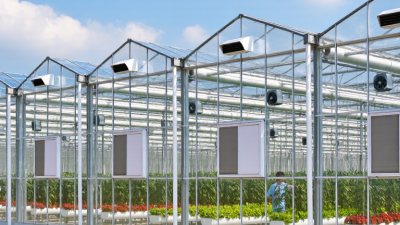
Choosing an industrial greenhouse starts with the crop and the local climate, not a catalog of equipment. Record seasonal temperature swings, humidity, wind, and sunlight before comparing control systems. Ventilation, heating, cooling, and shading should work together to keep conditions within the crop’s operating range. A temperature sensor near a doorway may give misleading readings. Place sensors among the plants, and check them against a reliable handheld meter. Small details matter.
Irrigation deserves the same scrutiny. Ask whether emitters deliver similar flow at the far end of each line, and test water quality for salts or clogging risks. Match delivery rates to the crop’s root zone and growing medium; excess water can waste energy and encourage disease. Automation can adjust vents and irrigation from sensor readings, but it needs sensible limits, alarms, and a manual override. Test those settings during a hot afternoon, not only during commissioning. Even a well-designed system can drift. Staff should inspect plants, filters, and drains regularly, because software may not notice a blocked emitter or a wilting row.
Check Local Regulations, Utilities, and Installation Requirements
Before choosing an industrial greenhouse, check local requirements with the planning or building office. Ask about zoning, permits, property setbacks, drainage, and approved building plans. Rules may also specify wind resistance, snow loads, fire access, or water use. Requirements vary by location, so confirm them for the exact site. Do not rely on a supplier’s general guidance alone. An informal phone call may not replace written approval.
Tips: Request a current checklist. Keep names, dates, and emails. Mark required setbacks on a site plan. Small details matter.
Next, check whether utilities can support the greenhouse’s intended operation. Confirm electrical capacity, water pressure, drainage options, and internet access before finalizing the layout. A distant connection can add trenching costs and delay installation. Ask utility providers where service lines enter the property, and whether upgrades or inspections are needed. Also verify access for delivery trucks, cranes, and installation crews. A narrow gate or soft ground can complicate equipment access, even when the site looks suitable. It is easy to overlook these practical constraints; revisit the plan after walking the property with the installer and relevant utility contacts.
Compare Lifecycle Costs, Maintenance, and Supplier Support
How to Choose the Right Industrial Greenhouse?
Compare Lifecycle Costs, Maintenance, and Supplier Support
An industrial greenhouse is a long-term operating system, not just a frame and covering. Compare the full cost over its expected service life. Include installation, heating, ventilation, irrigation, replacement parts, and routine labor. A lower purchase price can hide higher energy use or frequent repairs. Ask suppliers for written estimates and clarify what each estimate excludes. Numbers can mislead. Local weather, crop cycles, and energy prices can change the result.
Tips: Request a maintenance schedule and a sample parts list. Check how quickly common components can be replaced. Ask who provides technical help after installation, and what response times are typical. Get commitments in writing.
Maintenance needs depend on structure, materials, and daily conditions. Look closely at doors, vents, seals, drainage channels, and control systems. These details affect both labor and climate stability. Ask how often key parts need inspection, and whether staff can perform basic servicing. Supplier support matters when a sensor fails during a hot afternoon. Confirm training, spare-part availability, warranty limits, and service fees before signing. A spreadsheet still cannot predict every repair; some estimates will be wrong. Revisit the cost assumptions with an experienced grower or facility manager, especially if your climate or production plan is unusual.