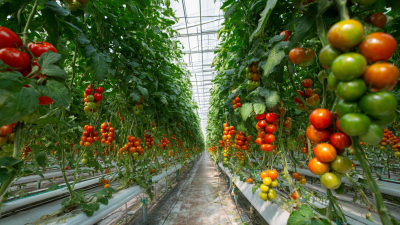
Top Commercial Greenhouse Benefits for Sustainable Agriculture How Can They Transform Your Farm?
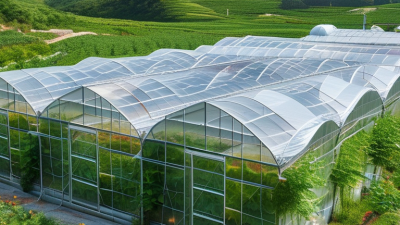
In recent years, the agricultural sector has seen a surge in interest regarding Commercial Greenhouses. These innovative structures offer numerous advantages for sustainable farming. Research from the National Agricultural Statistics Service shows that the U.S. greenhouse sector was valued at over $16 billion in 2020. This highlights the growing recognition of greenhouses as vital components in modern agriculture.
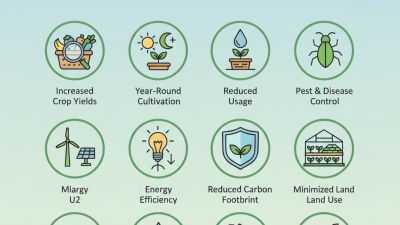
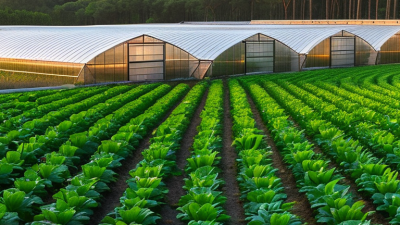
Commercial Greenhouses provide a controlled environment that optimizes crop yield and quality. They shield plants from harsh weather and pests, reducing the need for pesticides. In California, growers report that their yields can increase by up to 30% using greenhouse technology. However, there are challenges—initial setup costs are high, and maintaining ideal conditions requires expertise. Still, the potential for increased productivity makes this an appealing investment for many farmers.
Sustainability is another key benefit. By minimizing water usage and maximizing space, Commercial Greenhouses align with environmental goals. A study by the Sustainable Agriculture Research and Education Program noted that greenhouse systems can reduce water usage by 40% compared to traditional farming. Yet, farmers must carefully assess local conditions and market demands to ensure profitability. Embracing commercial greenhouse technology could indeed reshape the landscape of sustainable agriculture.
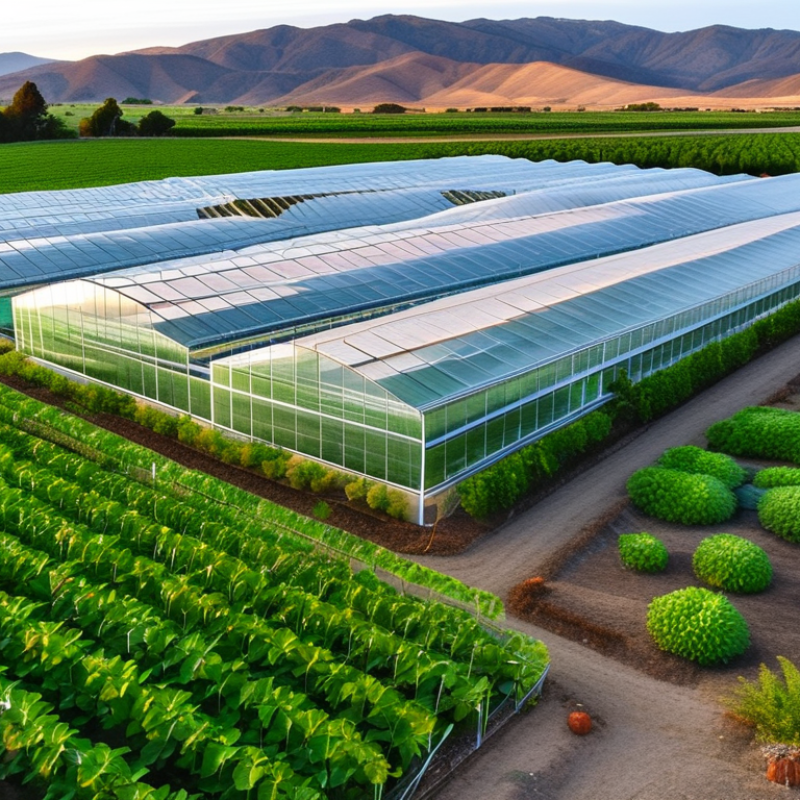
Benefits of Commercial Greenhouses for Sustainable Agriculture
Commercial greenhouses play a vital role in promoting sustainable agriculture. They create an optimized environment for plants, enhancing growth while conserving resources. Productivity can increase by up to 30% when using greenhouses compared to traditional farming, according to a report by the International Society for Horticultural Science. This controlled setting allows for efficient water use, reducing waste significantly.
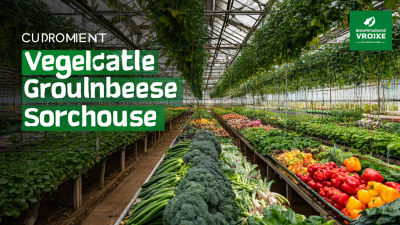
One major benefit is the ability to maintain ideal temperatures and humidity levels year-round. This not only boosts crop yield but also reduces the need for pesticides. A study published by the USDA found that greenhouse vegetables had 50% fewer pesticide residues compared to field-grown counterparts. This aligns with sustainable farming goals of producing clean and health-conscious food.
**Tip:** Regular monitoring of environmental conditions within the greenhouse can help avoid potential issues, like pests or diseases, before they escalate.
Despite these advantages, transitioning to greenhouse farming does come with challenges. Initial setup costs can be high, leading some farmers to hesitate. Additionally, managing energy consumption in winter months can complicate operations. Careful planning and investment are needed to ensure long-term success and sustainability.
**Tip:** Start small. A pilot greenhouse can help you assess feasibility and adjust practices as needed.
Top Commercial Greenhouse Benefits for Sustainable Agriculture
| Benefit |
Description |
Impact on Sustainability |
| Extended Growing Season |
Greenhouses provide a controlled environment that allows for earlier planting and longer harvesting periods. |
Reduces the need for off-season imports, decreasing carbon footprint. |
| Water Efficiency |
Greenhouses utilize drip irrigation and recirculation systems to minimize water waste. |
Promotes sustainable water use in agriculture. |
| Pest and Disease Control |
The enclosed environment reduces exposure to pests and diseases. |
Lowers pesticide use, promoting healthier ecosystems. |
| Crop Diversity |
Allows farmers to grow a variety of crops throughout the year. |
Enhances biodiversity and resilience in the agricultural system. |
| Energy Efficiency |
Modern greenhouses incorporate renewable energy sources and energy-efficient designs. |
Reduces reliance on fossil fuels and lowers greenhouse gas emissions. |
Enhancing Crop Yield and Quality Through Greenhouse Technologies
Greenhouse technologies significantly enhance crop yield and quality in agriculture. A recent report from the Food and Agriculture Organization (FAO) indicates that greenhouse cultivation can increase yields by up to 30% compared to traditional farming methods. This boost stems from controlled climates, which reduce the risks associated with weather variability. Farmers can manage temperature, humidity, and light, ensuring optimal growth conditions throughout the year.
Additionally, the quality of produce benefits immensely. Research published in agricultural journals shows that crops grown in greenhouses often feature superior taste and nutritional profiles. For example, tomatoes and peppers grown in controlled environments possess higher levels of vitamins and antioxidants. However, it's crucial to note the initial costs associated with setting up a greenhouse. The investment can be substantial, posing challenges for many small-scale farmers.
Sustainability is also a concern. While greenhouses improve yields, they require energy and resources to build and maintain. Analysis indicates that without proper water management and energy sources, the environmental impact could outweigh the benefits. Farmers must weigh these aspects carefully to make informed decisions that align with their sustainability goals and economic viability.
Resource Efficiency: Water and Energy Conservation in Greenhouses
Greenhouses offer impressive benefits for sustainable agriculture, particularly in resource efficiency. These structures can significantly reduce water and energy use. By utilizing advanced irrigation systems, greenhouses can optimize water consumption. This helps to eliminate waste and ensures that crops receive the appropriate amount of hydration.
Energy conservation is another vital aspect of greenhouse farming. With the use of thermal insulation and energy-efficient lighting, growers can lower their energy costs. This not only supports the environment but also enhances overall farm productivity. However, establishing energy-efficient systems can initially pose challenges due to higher setup costs.
Tip: Invest in automated systems to monitor and manage resources. They can help in adjusting conditions and conserving both water and energy more efficiently.
Despite these benefits, some farmers may find transition difficult. Adapting to advanced technologies takes time and effort. Educating yourself on the latest practices is essential to overcome these hurdles.
Tip: Regularly attend workshops or webinars on greenhouse technology. Staying informed will help you implement the best strategies for resource management.
Pest Control and Disease Management in Controlled Environments
Pest control and disease management are crucial in controlled environments like greenhouses. These spaces offer unique advantages for sustainable agriculture. First, they reduce exposure to pests and diseases. A sealed environment limits the entry of harmful insects. This creates a safer space for crops to thrive.
Effective management techniques, like integrated pest management (IPM), can be employed here. IPM combines natural predators, crop rotation, and minimal pesticide use. This approach targets specific pests while promoting a balanced ecosystem. Thoughtful monitoring and timely interventions are essential. However, not all methods work perfectly every time. Observing which strategies yield the best results can be challenging.
Moreover, controlled environments often allow for better water and nutrient management. It is easier to monitor plant health and soil conditions. Yet, achieving the right balance can require adjustments and constant attention. Farmers may find themselves needing to adapt quickly as conditions change. Embracing these challenges can lead to long-term benefits in pest and disease management.
Economic Impacts: Cost Savings and Profitability of Greenhouse Farming
Greenhouse farming presents significant economic advantages.
Studies show that greenhouses can increase crop yields by up to 200%. This boost arises from controlled environments, which reduce risks from pests and unpredictable weather. For example, tomatoes grown in greenhouses can yield 10 to 15 times more than those grown in open fields. Farmers can harvest multiple cycles in a year, maximizing production and revenue.
Cost savings are evident as well. Reduced pesticide use can lower operational costs by 30%. Additionally, greenhouses improve water efficiency, reducing consumption by 50%. This efficiency translates into lower utility bills and higher profitability. According to a report by the USDA, implementing greenhouse technology can lead to a 40% reduction in labor costs due to automated systems. This data emphasizes the potential for substantial financial returns in greenhouse farming.
However, initial investment can be high. Farmers face challenges with setup costs, which can reach up to $15 per square foot. These expenses necessitate careful planning and financing strategies. Some farmers struggle with the transition from traditional methods to modern greenhouse techniques. It’s crucial for growers to weigh these factors against the long-term benefits. This consideration can influence their path toward sustainable agriculture.