Why Choose Agricultural Greenhouse Solutions for Sustainable Farming?
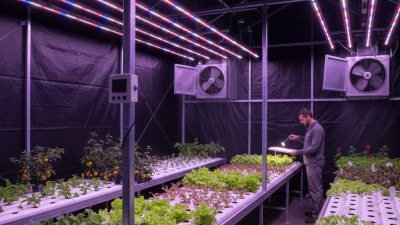
In recent years, the demand for sustainable farming has surged. Agricultural Greenhouses offer a solution to meet this demand. Experts like Dr. Jane Greenfield, a leader in agricultural technology, emphasize the importance of these structures. She states, "Agricultural Greenhouses maximize resource efficiency and reduce environmental impact."
These innovative solutions create ideal environments for crops. They protect plants from harsh weather and pests. By utilizing technology, farmers can control temperature and humidity. This leads to higher yields and better quality produce. However, not all farmers can access these systems. Costs and maintenance can pose challenges for small-scale farms.
Sustainable farming is a journey. While Agricultural Greenhouses present opportunities, they require careful planning. Farmers must weigh the benefits against potential drawbacks. Embracing this method can enhance productivity, but must be approached with awareness and responsibility.
Understanding Agricultural Greenhouse Solutions in Sustainable Farming
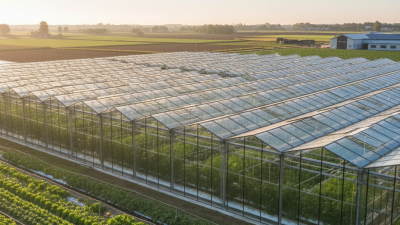
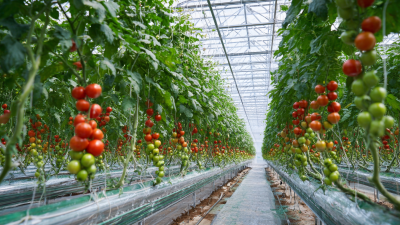
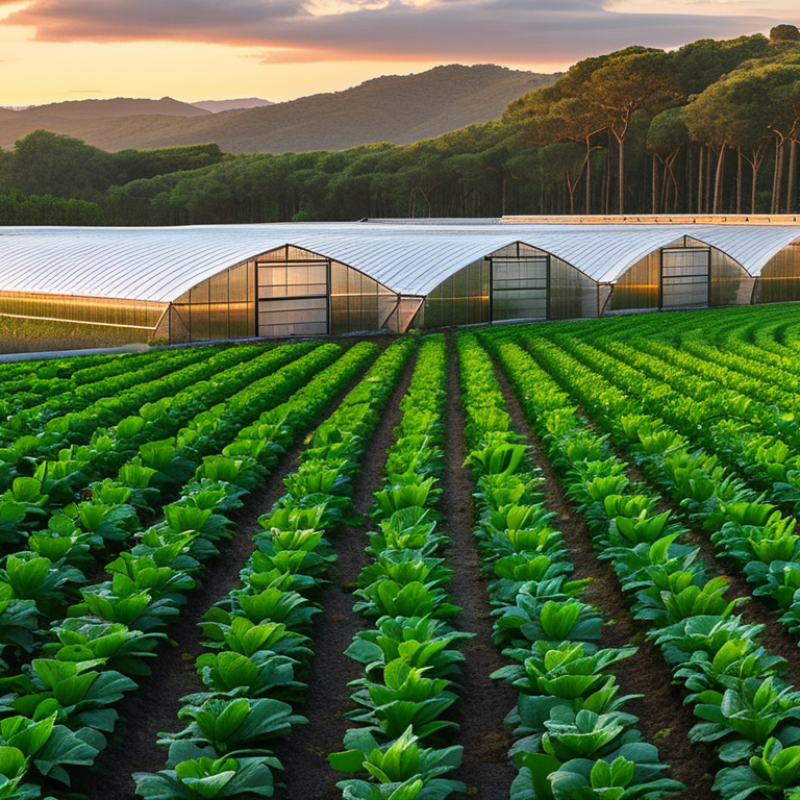
Agricultural greenhouse solutions are pivotal for sustainable farming. They create controlled environments for plants, maximizing growth potential. Inside a greenhouse, temperature, humidity, and light conditions are optimal. This promotes healthier plants and higher yields. Growers can produce crops all year round, regardless of external weather conditions.
Implementing greenhouse solutions can be challenging. Farmers must invest time and resources into setting up and maintaining the structures. Not every crop benefits equally from greenhouse environments. Some plants might require specific conditions that are hard to replicate. The knowledge required to manage a greenhouse effectively takes years to develop. Mistakes can be costly and impact the entire harvest.
However, the benefits of a well-managed greenhouse are substantial. Reduced water usage is a significant advantage. By controlling the environment, farmers can minimize waste. Integrated pest management becomes easier, leading to healthier crops. Sustainable practices developed in greenhouses can lead to less reliance on chemical inputs. This approach fosters a more resilient agricultural system.
Benefits of Greenhouse Farming for Environmental Conservation
Agricultural greenhouse solutions offer numerous benefits for environmental conservation.
Studies reveal that greenhouse farming can reduce water usage by up to 70%.
This method allows for precise control of irrigation, ensuring that plants receive the right amount of water.
Traditional farming often leads to runoff and waste. In contrast, greenhouses help recycle water more efficiently.
Growing crops in greenhouses minimizes pesticide usage. A report from the
Food and Agriculture Organization (FAO) shows that
integrated pest management in greenhouses can lower pesticide dependency by 30-40%.
By utilizing beneficial insects and organic methods, greenhouses promote a healthier ecosystem.
This shift not only protects local wildlife but also enhances biodiversity.
Tips: Select plant varieties with high yields for optimal use of greenhouse space.
Consider solar panels to reduce energy costs and carbon footprint.
Regularly evaluate the effectiveness of pest management strategies to ensure they align with sustainability goals.
There’s much to improve. The industry still faces challenges like high initial costs and energy consumption.
Continuous innovation and dedication are crucial for long-term success.
Key Features of Effective Agricultural Greenhouse Structures
Agricultural greenhouse structures offer crucial benefits for sustainable farming. These structures control temperature and humidity effectively, fostering optimal plant growth. They protect crops from harsh weather and pests, which reduces the need for harmful pesticides. The right materials enhance durability, yet the selection must account for local conditions. Not all greenhouses withstand extreme weather; farmers must assess their specific environments.
Effective designs include efficient ventilation systems. Proper airflow maintains an ideal climate for crops. Good insulation improves energy conservation, lowering costs over time. However, not every farmer has expertise in greenhouse management. Training and research are essential for maximizing crop yield. Many farmers may struggle with crop diversity in limited space.
Water management systems are also vital. Automated irrigation can conserve resources and improve plant health. Yet, technologies must align with the local water supply. Sustainable practices should integrate traditional knowledge with modern techniques. A balance between innovation and practicality is key. Adjustments may be necessary as conditions change. Developing a greenhouse necessitates ongoing reflection and adaptation for long-term success.
Economic Advantages of Implementing Greenhouse Solutions
Greenhouse solutions are becoming crucial for sustainable farming. These structures optimize growing environments, leading to increased yields and better quality produce. Economic advantages of implementing greenhouse solutions are significant. By extending the growing season, farmers can produce crops year-round, maximizing profits. This approach reduces reliance on seasonal weather patterns, which can be unpredictable.
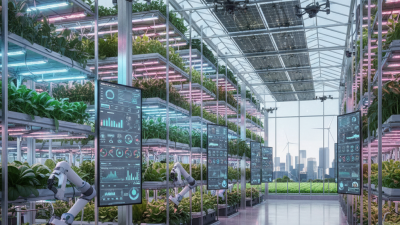
Investing in greenhouse technology can lead to lower operating costs. Advanced climate control systems reduce energy consumption. Efficient irrigation methods save water, a critical resource. Farmers often notice a decrease in pest problems, resulting in less need for chemical treatments. More savings can lead to a reinvestment in better equipment or practices.
Tips: Assess your local climate. Knowing temperature and humidity patterns helps in designing a more efficient greenhouse. Consider starting small. Testing different crops can identify the best options for your specific area. Finally, be prepared to adapt. The agricultural landscape can change rapidly, and flexibility can enhance your farm’s resilience.
Why Choose Agricultural Greenhouse Solutions for Sustainable Farming? - Economic Advantages of Implementing Greenhouse Solutions
| Advantage |
Description |
Estimated Annual Savings (%) |
Initial Investment (USD) |
| Water Conservation |
Greenhouses significantly reduce water usage through controlled irrigation. |
30 |
10,000 |
| Pest Control |
Reduced pesticide usage and improved crop health through a controlled environment. |
25 |
15,000 |
| Extended Growing Season |
Ability to grow crops year-round, leading to higher yield per year. |
40 |
25,000 |
| Quality Control |
Improved crop quality leading to higher market value. |
20 |
12,000 |
| Labor Efficiency |
Streamlined farming practices reduce labor costs. |
15 |
8,000 |
Challenges and Considerations in Sustainable Greenhouse Agriculture
Sustainable greenhouse agriculture faces various challenges that impact its effectiveness. One key issue is the high initial setup costs. According to reports from the Food and Agriculture Organization, investing in a greenhouse can exceed $40 per square foot. This figure can deter small-scale farmers who need accessible solutions.
Water management also poses difficulties. Overwatering and under-drainage can lead to root diseases. Research shows that nearly 20% of water usage in traditional farming goes to waste. Implementing efficient irrigation systems can mitigate this. For instance, drip irrigation systems can reduce water consumption by 30-50%.
Tips: Prioritize local climate conditions when designing your greenhouse. This can help in selecting appropriate crops and enhance productivity. Additionally, train staff on sustainable practices to ensure longevity and profitability. Remember, innovation must be thoughtful. Not every new technique will suit every environment. Testing and adapting are essential for success in sustainable greenhouse agriculture.