Top 10 Commercial Greenhouses in China for Global Buyers?
In recent years, the demand for commercial greenhouses has surged as the world seeks sustainable agricultural solutions. These structures are crucial for enhancing crop production and extending growing seasons. With advancements in technology, many manufacturers in China have emerged as key players in the global market.
This article presents a curated list of the top 10 commercial greenhouses in China. Each greenhouse stands out for its innovative designs and efficiency. By analyzing their features, buyers can make informed decisions that align with their agricultural goals.
It's important to acknowledge that not every greenhouse fits every buyer's needs. Factors like climate, crop type, and budget play significant roles. Engaging with suppliers responsibly ensures a productive partnership and a successful growing experience. Exploring these options can transform potential challenges into opportunities for growth and learning.
Overview of Commercial Greenhouses in China
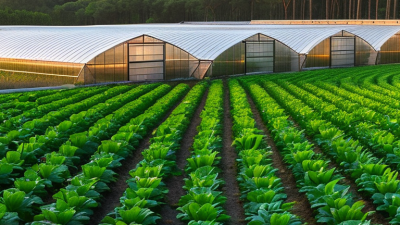
China's commercial greenhouse industry has seen remarkable growth in recent years. With increasing demands for fresh produce, these structures are becoming essential. They use advanced technology to optimize conditions for plant growth. This practice helps in producing high-quality crops year-round.
Many commercial greenhouses in China focus on sustainability. They often utilize hydroponics and aquaponics systems. This reduces water usage significantly. However, challenges remain in balancing innovation with cost-effectiveness. Not every greenhouse can afford the latest technology. It's crucial for buyers to evaluate their options carefully.
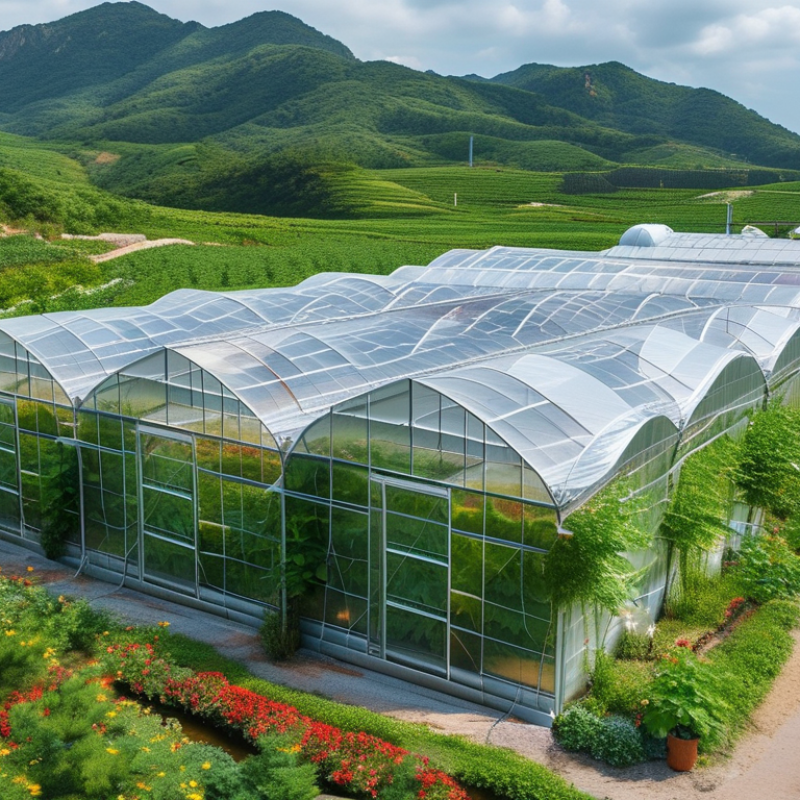
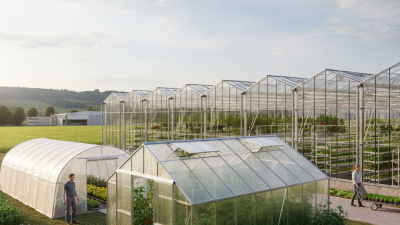
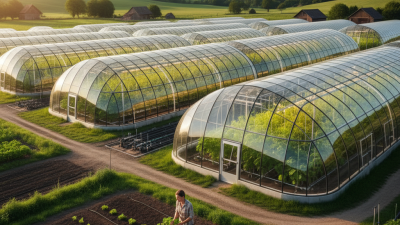
The variety of designs available is impressive. From simple tunnel models to large-scale glasshouses, the choices are diverse. Buyers may struggle to find the right fit for their needs. Some greenhouses may not perform as expected in certain climates. It's important to conduct thorough research before making a decision. Understanding local conditions can lead to better outcomes.
Key Features of the Top 10 Greenhouse Manufacturers
Greenhouses play a crucial role in modern agriculture, especially in China. The top greenhouse manufacturers showcase key features that are vital for global buyers.
Advanced technology is a primary focus. Many manufacturers use automated systems for temperature and humidity control. A report from the China Agricultural Machinery Industry Association highlights that automation can increase crop yield by up to 30%. This signifies the potential benefits of adopting modern greenhouse technologies.
The structure of these greenhouses significantly impacts their effectiveness. Most manufacturers utilize high-quality materials like polycarbonate and tempered glass. These materials provide excellent insulation and light transmission, crucial for plant growth. A study showed that greenhouses with proper insulation can reduce energy costs by 40%. However, it's essential to consider sustainability practices. Some manufacturers still rely on high-energy materials. This raises questions about long-term environmental impacts.
A focus on customer service adds value. Many companies offer customized solutions to cater to diverse agricultural needs. However, responsiveness can vary. Some buyers report delays in support, which can hinder project timelines. Investing in greenhouses requires careful evaluation of these factors. Overall, while many options exist, understanding these key features is imperative for making informed decisions.
Market Trends in China's Greenhouse Industry
China's greenhouse industry is evolving rapidly. In 2022, the market size reached approximately USD 8.6 billion. This number is projected to grow at a compound annual growth rate (CAGR) of 10% by 2027. Driven by urbanization and a growing population, the demand for advanced greenhouse solutions is rising. A report by Research and Markets highlighted that over 50% of new greenhouse projects focus on sustainable practices.
However, challenges persist. The industry faces pressure from environmental regulations and competition from abroad. Many local manufacturers struggle with adopting new technologies. This leads to inefficient production methods. It's crucial for stakeholders to invest in research and development. Innovations like hydroponics and smart irrigation can enhance productivity significantly.
Consumer preferences also shape the market. The trend towards organic produce is strong. A survey indicated 65% of consumers prefer locally sourced, eco-friendly products. This shift encourages greenhouse operators to adopt sustainable practices. Yet, many are still hesitant about the initial costs. Balancing traditional methods with modern techniques remains a challenge. Finding this equilibrium is essential for sustainable growth in the sector.
Top 10 Commercial Greenhouses in China for Global Buyers
| Rank |
Type of Greenhouse |
Size (sq. meters) |
Main Crop |
Location |
Technology Level |
Export Capability |
| 1 |
Glass Greenhouse |
5000 |
Vegetables |
Beijing |
High-tech |
High |
| 2 |
Polyethylene Greenhouse |
3000 |
Flowers |
Shanghai |
Mid-level |
Medium |
| 3 |
Venlo Greenhouse |
7000 |
Fruits |
Guangdong |
High-tech |
High |
| 4 |
A-frame Greenhouse |
2500 |
Herbs |
Sichuan |
Basic |
Low |
| 5 |
Tunnel Greenhouse |
1500 |
Vegetables |
Anhui |
Mid-level |
Medium |
| 6 |
Geodesic Dome Greenhouse |
3500 |
Exotic Plants |
Yunnan |
High-tech |
High |
| 7 |
Shade House |
2000 |
Seedlings |
Hunan |
Basic |
Low |
| 8 |
Container Greenhouse |
1000 |
Ornamental Plants |
Zhejiang |
Mid-level |
Medium |
| 9 |
Multi-span Greenhouse |
6000 |
Vegetables |
Liaoning |
High-tech |
High |
| 10 |
Cold Frame Greenhouse |
800 |
Herbs |
Tibet |
Basic |
Low |
Comparative Analysis of Pricing and Quality
When considering commercial greenhouses in China, pricing and quality are critical factors for global buyers. The greenhouse industry is diverse, with options ranging from basic structures to highly sophisticated systems. Buyers often seek a balance between cost-effectiveness and durability. Many firms offer greenhouses at competitive prices, yet the quality of materials can vary significantly. Some cheaper options may lack the longevity and resilience needed for sustainable production.
In recent comparisons, it emerges that certain greenhouse designs provide better thermal control and light penetration. These elements enhance crop yields, making them worthwhile investments despite the initial cost. However, some low-cost models might not perform as expected under extreme weather conditions. Buyers should also consider warranty options and after-sale services, which can reflect a manufacturer’s confidence in their product quality.
While some buyers may prioritize upfront costs, they risk facing hidden expenses down the road. Maintenance issues can arise from opting for lower-quality materials. It's essential to weigh these factors carefully. Conducting thorough research and asking for detailed specifications can lead to more informed decisions, ensuring a better return on investment in the long run.
Sustainability Practices Among Leading Greenhouse Companies
Sustainability is vital in the greenhouse industry. Leading companies in China are adopting practices that align with global sustainability goals. Data from the China Agricultural University indicates that over 50% of commercial greenhouses are now utilizing renewable energy sources. This is a significant shift towards reducing carbon footprints.
Effective water management is another critical area. Many greenhouses have implemented advanced irrigation systems. These systems decrease water waste by up to 30%. Utilizing rainwater harvesting techniques has also become more common. This practice not only conserves water but also reduces operational costs.
These efforts show a commitment to sustainability. However, some challenges remain. Many greenhouse operators face the high initial costs associated with adopting new technologies. Additionally, knowledge gaps around sustainable practices persist. Ongoing education is necessary to ensure all operators can meet these new standards.
Top 10 Commercial Greenhouses in China: Sustainability Practices