Plastic Film Greenhouse

How to Choose the Best Aquaponics Greenhouse in China?

Choosing an Aquaponics Greenhouse in China is not simply a matter of comparing prices or selecting the largest frame. The right system must suit the farm’s climate, crop plan, fish species, water supply, and available labor. A structure near a humid southern coast may need different ventilation and corrosion protection than one exposed to cold northern winters. Small details matter. Look closely at frame materials, glazing or film, drainage, shade control, and access for repairs. These choices affect daily work as much as the initial build cost. A low quote can hide omissions, but a high price alone proves little.

This guide explains how to compare greenhouse designs, aquaponics equipment, supplier support, and operating costs with practical questions in mind. Ask for clear specifications, component lists, installation scope, and references from projects with similar conditions. Check how pumps, filters, aeration, and backup power are sized; request a realistic plan for temperature control and water-quality monitoring. Then assess whether replacement parts and technical help will be reachable after installation. Details matter. No checklist can remove every uncertainty, and supplier documents may not reflect the workload of your own site. Treat estimates as starting points, confirm assumptions with qualified professionals, and compare them against local weather records and a measured site plan. A sound choice is one your team can operate, maintain, and improve over time—not merely one that looks impressive in a brochure.
How to Choose the Best Aquaponics Greenhouse in China?

Define Production Goals and Climate Risks Across China’s Growing Zones

Set crop and fish targets before comparing greenhouse designs. Decide weekly harvest, peak biomass, and whether buyers expect leafy greens, herbs, or fruiting crops. These crops need different light and temperature control. Start with the market.

China’s growing zones create sharply different risks. In the Northeast, frozen winter soils make insulation, heating redundancy, and protected plumbing essential. Around the Yangtze River, humid summers can raise disease pressure and complicate ventilation. Southern sites face intense heat and heavy rain; northern and western locations may face water limits or large daily temperature swings. The China Meteorological Administration’s 2023 climate bulletin reported a national mean temperature of 10.7°C, the highest since records began in 1961. That national figure cannot size a local cooling system. Check local station records and seasonal extremes.

Then match equipment to the site and species. FAO’s Small-scale Aquaponic Food Production (2014) gives a pH range of 6–7 for balancing fish, plants, and beneficial bacteria. That matters. Specify sensors, backup aeration, drainage, and a plan for power interruptions before construction. Do not assume. A weakness in early planning is treating average climate as a design condition; heat waves and cold snaps are the real stress tests. I would use local hourly weather data, then verify the proposed system with an aquaculture or greenhouse specialist.

Check Greenhouse Frames Against GB 50009 Site Wind and Snow Loads

How to Choose the Best Aquaponics Greenhouse in China?
Check Greenhouse Frames Against GB 50009 Site Wind and Snow Loads

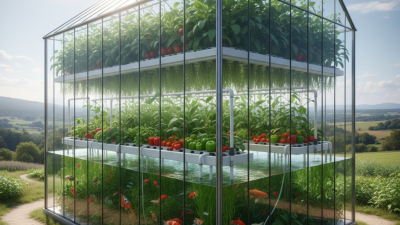
A greenhouse frame must suit its actual site, not a national average. China’s GB 50009-2012 Load Code for the Design of Building Structures provides mapped basic wind and snow pressures, referenced to a 50-year return period. Check the values for the project location, then confirm the applicable importance and exposure factors with a qualified structural engineer. Coastal exposure, open farmland, nearby buildings, and terrain can change wind effects. Snow drifting beside roof steps can also create uneven loading. Small details matter.

Ask for calculations that show how loads travel through roof members, columns, bracing, joints, and foundations. The frame should also resist uplift, not only downward pressure. Aquaponics adds substantial water and equipment weight: one cubic metre of water weighs about 1,000 kilograms. Keep tanks and grow beds supported by the designed structure or a separate foundation. Check the connections. A thick-looking column proves little if its bolts or anchors are undersized. GB 50009 gives a sound starting point, but a spreadsheet can still miss local exposure or future equipment changes. I would review those assumptions before comparing frame prices.

Plan Water Chemistry Around FAO’s Recommended pH Range of 6.0–7.0

When choosing an aquaponics greenhouse in China, plan water chemistry alongside crop space and seasonal temperature control. Use the FAO-recommended pH range of 6.0–7.0 as a design reference, not a setting to chase blindly. Fish, beneficial bacteria, and plants share the same water, yet their preferred conditions do not match perfectly. That trade-off matters. A system near pH 6.5 can support nutrient availability while remaining suitable for many commonly raised fish and nitrifying bacteria. Check the needs of your specific crops and fish before settling on a target.

Test the source water before buying tanks or pumps. In some areas, hard water can resist pH changes; rainwater may have low buffering capacity. Measure alkalinity as well as pH, and keep a calibrated meter and a simple daily log beside the filtration unit. Small, gradual adjustments are safer than sudden corrections. Watch for a downward drift as bacteria convert waste, especially after adding fish or increasing feed. A common planning mistake is to size the greenhouse first and leave no space for sampling or water treatment. It happens. Include a shaded work area, clear access to filters, and room for a backup test kit. Local water conditions can surprise you. Recheck them through the year.

How to Choose the Best Aquaponics Greenhouse in China? - Plan Water Chemistry Around FAO’s Recommended pH Range of 6.0–7.0

Decision factor Option or planning benchmark Best fit and trade-offs What to verify before purchase
Water pH Plan for pH 6.0–7.0 in the aquaponic system. This range balances the needs of fish, plants, and nitrifying bacteria; individual species and system conditions still matter. Check that the design provides accessible sampling points and space for a calibrated pH meter. Avoid assuming that greenhouse selection alone controls pH.
Solar greenhouse A south-facing, single-slope structure is commonly used in northern China. Can make use of solar gain and thermal mass in winter. Performance depends on site, orientation, insulation, and operating practice. Request a site-specific winter temperature estimate and confirm insulation, night covering, ventilation, and space for tanks and filtration.
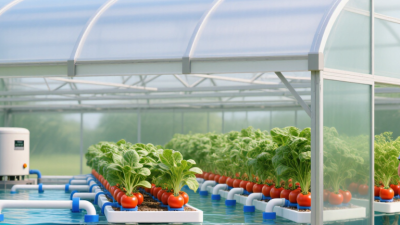
Multi-span plastic greenhouse Connected bays covered with greenhouse film; configuration varies by site and crop plan. Often offers flexible growing space and can be less costly than a glass structure, but usually needs a deliberate plan for summer heat and winter heating where required. Compare film replacement and maintenance needs, ventilation capacity, shading provisions, and local wind and snow-load design.
Glass greenhouse A rigid glazed structure, often selected where controlled production and long-term operation are priorities. Can support precise environmental management, but initial investment, heating, cooling, and structural requirements should be assessed for the site. Confirm glazing specifications, energy-use assumptions, ventilation and cooling design, maintenance access, and locally applicable structural requirements.
Temperature control There is no single suitable water-temperature target for all aquaponics systems; fish and crop species determine the operating range. The greenhouse should be sized and equipped around the chosen species and local seasonal extremes, not just the regional annual average. Ask for design conditions based on local winter lows and summer highs. Check heating, cooling, ventilation, and water-temperature monitoring plans.
Dissolved oxygen A common aquaponics planning target is at least 5 mg/L, subject to species and system requirements. Adequate aeration supports aquatic animals and biological filtration; warmer water holds less dissolved oxygen than cooler water. Check aeration capacity, monitoring access, and backup power for essential pumps and aerators.
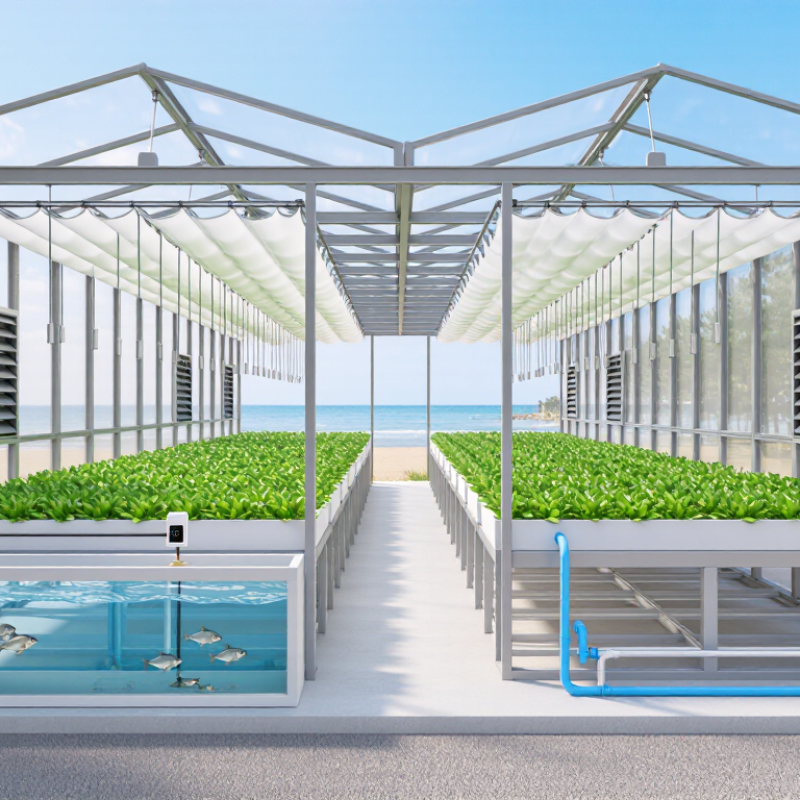
Water-system layout Allow space for fish tanks, solids removal, biofiltration, plant beds, plumbing, and maintenance access. A greenhouse that fits the crop area but not the treatment and service areas can constrain water quality management. Review a scaled layout showing water flow, drainage, tank access, sampling points, and safe routes for routine maintenance.
Monitoring and pH adjustment Track pH alongside temperature and dissolved oxygen; make gradual adjustments based on measurements. pH can change as biological processes and source-water conditions change. Sudden correction may stress aquatic organisms. Include a testing and record-keeping routine, meter calibration supplies, and a safe procedure for any water-treatment additions.
Structure and site conditions Wind and snow loads are location-specific; there is no single national greenhouse load value suitable for every site. Local climate, soil, exposure, and applicable building requirements affect structural design and operating costs. Obtain site-specific structural documentation and confirm foundation, drainage, water supply, electricity, and access to service support.

Reference: FAO, Small-scale aquaponic food production (FAO Fisheries and Aquaculture Technical Paper No. 589), which describes pH 6.0–7.0 as a suitable aquaponics range. Operating conditions should also be selected for the fish, plants, and local site.

Size Leafy-Green Production Using FAO’s 40–50 g Feed/m²/Day Benchmark

How to Choose the Best Aquaponics Greenhouse in China?

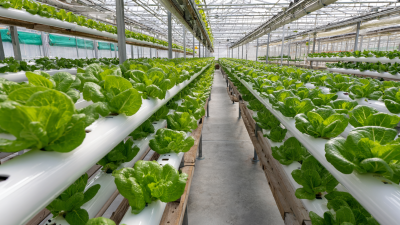
FAO’s 2014 Small-scale aquaponic food production guide gives a useful planning benchmark: about 40–50 g of daily fish feed per square metre of leafy-green growing area. At that rate, 10 m² of planted beds would need roughly 400–500 g of feed each day. This is a starting estimate, not a production promise. Crop type, water temperature, fish growth, and feeding routines all affect nutrient availability.

Size the greenhouse around productive bed area, not its full footprint. Walkways, tanks, filters, and work space take up room. In a compact greenhouse, a narrow aisle can quickly reduce the area available for crops. Track feed actually eaten and compare it with plant growth; uneaten feed can burden water quality rather than help lettuce. The benchmark may also need adjustment during cold, cloudy periods. Real systems rarely behave like tidy spreadsheets.

Tips: Start with a small bed and record daily feed, water temperature, and harvest weight for several weeks. Increase planted area only when crop growth and water tests remain steady. Leave spare space for maintenance. It is easy to underestimate it.

Compare Heating, Cooling, and Water Needs Before Choosing a Supplier

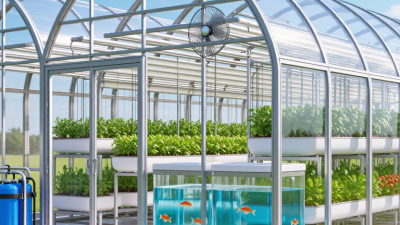
Choosing an aquaponics greenhouse in China starts with its local climate, not the supplier’s equipment list. Northern sites need dependable winter heating; humid southern sites may need stronger ventilation and summer cooling. Ask for a heat-loss and cooling-load estimate based on your location’s outdoor design conditions, such as those in the ASHRAE Handbook—Fundamentals. Generic sizing can look convincing on paper. It may still miss a cold night or a humid afternoon.

Water temperature links fish, plants, and beneficial bacteria. The FAO’s 2014 Small-scale aquaponic food production guide gives optimal ranges of about 22–32°C for tilapia and 18–22°C for lettuce. Those targets do not align perfectly. Compare the supplier’s proposed temperature controls, insulation, and backup plan against your chosen crops and fish. Also request estimates for daily makeup water, evaporation, flushing, and water quality treatment. Test the actual source water; a clean-looking sample can still contain problematic minerals.

Tips: Ask for monthly energy and water estimates, not just equipment capacity. Check the assumptions. Request a site-specific operating plan for power interruptions and extreme weather. Small detail. Costly later. A short trial run before full planting can reveal awkward gaps in the design.