How to Choose the Best Nursery Greenhouse for Your Needs?
Choosing the right Nursery Greenhouse can significantly impact your gardening success. With many options available, it can be overwhelming. Each greenhouse serves different needs. Factors like size, climate, and plant types should guide your decision.
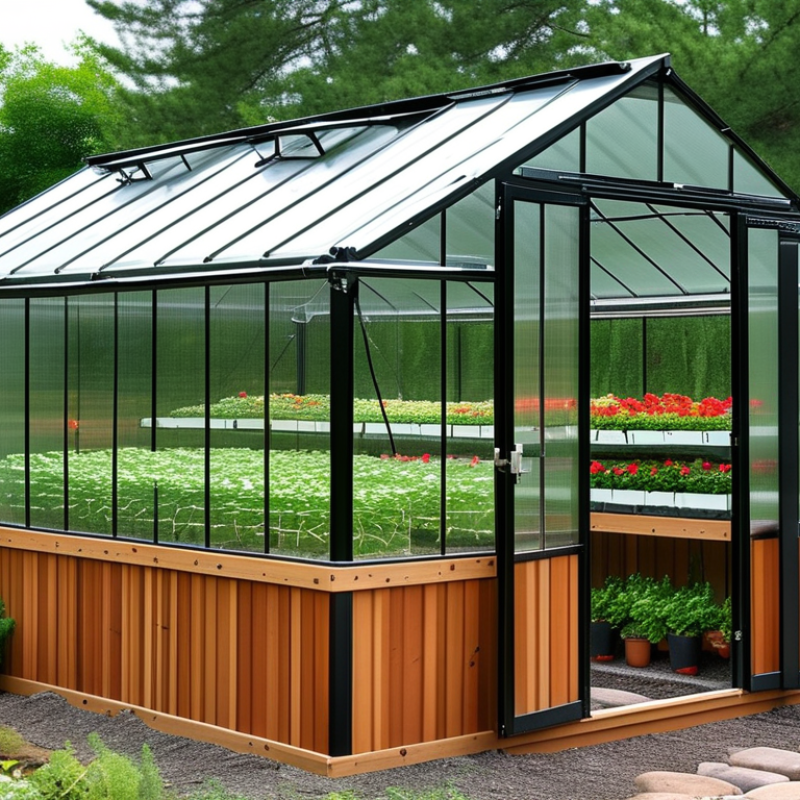
Consider the materials used in the construction. Glass, plastic, and polycarbonate all have unique qualities. For instance, glass offers excellent light transmission but can be costly. Plastic is lightweight and affordable, but it may not last as long.
Reflect on your gardening goals. Are you starting a small vegetable patch or cultivating delicate orchids? Each purpose requires specific features. Take your time in evaluating your options. Think about how you can optimize your Nursery Greenhouse for the best results.
Understanding Your Specific Gardening Needs and Goals
When selecting a nursery greenhouse, it’s essential to recognize what you truly need. Different plants have varying requirements. Consider whether you want to grow vegetables, flowers, or exotic plants. Each type has specific light, temperature, and humidity needs. Assess the climate in your area as well. This will impact your greenhouse choices significantly.
Understanding your gardening goals is crucial. Are you looking for a space to start seedlings, or do you want a full-scale production area? If you plan to grow year-round, a larger, more insulated structure may be necessary. If you only need seasonal space, a smaller greenhouse could suffice. Reflect on your future plans as well. Will your current needs change over time?
Tips: Evaluate your budget carefully. A greenhouse is an investment. Larger structures come with higher costs and maintenance. Think about the long-term implications. Don’t rush into a decision. Take the time to research different designs and materials. Each choice impacts your gardening success. Remember, the right greenhouse is one that fits both your current needs and your gardening ambitions.
Choosing the Best Nursery Greenhouse: Key Factors
Evaluating Different Types of Nursery Greenhouses Available
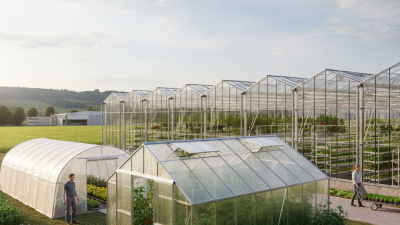
When choosing the best nursery greenhouse, it's essential to evaluate the types available. There are several common styles. Each style has its unique advantages and limitations. For instance, a hoop house is typically low-cost and easy to set up. However, it might not withstand extreme weather conditions.
Another option is a freestanding greenhouse, offering more durability. These structures can be customized to meet specific needs. However, the initial investment is often higher. The choice between these types relies on your growing intentions and budget constraints. Consider the amount of space you have and how much light your plants need.
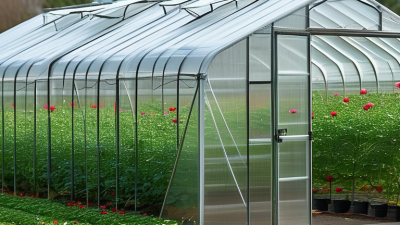
The material of the greenhouse also matters. Glass and polycarbonate provide excellent insulation but can be expensive. Shade cloth or polyethylene is lighter and cheaper but might not last as long. Reflect on your local climate too. If harsh winters or extreme heat are factors, they will influence your material choice. Ensuring adequate ventilation is crucial as well. Without it, humidity can spike, affecting plant health.
Key Features to Look for in a Nursery Greenhouse
Choosing the right nursery greenhouse can significantly impact your gardening success. When evaluating options, consider the material and structure. A frame made from galvanized steel or aluminum provides durability. Research indicates that greenhouses with high-quality glazing can improve plant growth by up to 30% due to better light diffusion.
Temperature control is crucial. Look for a greenhouse equipped with shading systems, ventilation options, and heating solutions. Data from the American Society for Horticultural Science shows that optimal temperature management can enhance plant yield by 15% in nursery settings. Make sure to assess humidity control mechanisms as well, as excessive moisture can lead to mold and disease.
Finally, think about accessibility and layout. Space for movement and organization can improve your efficiency. A well-designed greenhouse allows for easy access to plants and tools. Reports indicate that well-organized greenhouses can increase productivity by 20%. Remember that your greenhouse should not only meet your current needs but also accommodate future expansion ideas.
Assessing Budget and Cost-Effectiveness of Various Options
When choosing a nursery greenhouse, budget and cost-effectiveness are critical.
Start by assessing your needs. Consider the size, materials, and features that
suit your gardening plans. A simple, small structure may suffice for beginners.
As expertise grows, a more elaborate setup may become necessary. Understand that
cheaper options can come with hidden costs, such as increased energy
consumption or frequent repairs.
Evaluate potential costs thoroughly.
Materials like polycarbonate tend to last longer but can be pricier upfront.
Wooden frames might appeal due to initial lower prices, but they may require
regular maintenance. Compare these aspects to ensure you’re investing wisely.
Don’t forget to calculate long-term operational costs, like heating, cooling,
and water supply.
Consider these points before making a decision. A high-quality greenhouse may
initially seem expensive, but its durability could be cost-effective over time.
Research what features offer the best return on investment based on your
gardening goals. Your choice should align with your budget while providing the
functionality you need to succeed in your growing endeavors.
Determining Location and Environmental Considerations for Placement
When determining the location for your nursery greenhouse, environmental factors play a crucial role. Sunlight is essential for plant growth. A site with unobstructed sunlight exposure, away from tall trees or buildings, is ideal. However, too much sun can lead to excessive heat. You may need a shading system to manage temperature levels effectively.
Wind is another consideration. Strong winds can damage fragile seedlings. Select a location that offers natural windbreaks, like fences or shrubs. Drainage is vital too. A site that retains water can cause root rot in sensitive plants. Ideally, choose a spot on elevated ground to prevent water accumulation.
Temperature fluctuations can be challenging. In some regions, nighttime cold can threaten tender plants. Placing your greenhouse near a heat-retaining structure can mitigate this risk. Reflect on seasonal changes in your area. Each season may require adjusting your greenhouse setup, whether through ventilation or heating. Consider your unique environmental conditions carefully to foster a thriving nursery.