2026 Top Polyethylene Greenhouse Benefits for Global Buyers?
The demand for Polyethylene Greenhouses is on the rise. According to a report by MarketsandMarkets, the global greenhouse market is projected to reach $61.5 billion by 2026. This growth highlights the increasing interest in sustainable agricultural practices. Polyethylene Greenhouses offer various benefits that cater to global buyers seeking efficient and eco-friendly solutions.
Dr. Emily Thompson, a leading expert in greenhouse technology, emphasizes, "Polyethylene Greenhouses are revolutionizing modern agriculture with their energy efficiency and durability." These greenhouses are not only cost-effective but also significantly reduce energy consumption. A well-designed Polyethylene Greenhouse can improve crop yields while minimizing environmental impact.
Despite the advantages, some challenges remain. Not all Polyethylene materials are created equal, and selections matter. The right type can lead to better insulation, improved growth, and longer lifespan. However, many buyers overlook these details. Ensuring optimal materials and construction techniques is essential for getting the most out of these structures. The journey toward sustainable agriculture continues, and Polyethylene Greenhouses play a vital role in shaping its future.
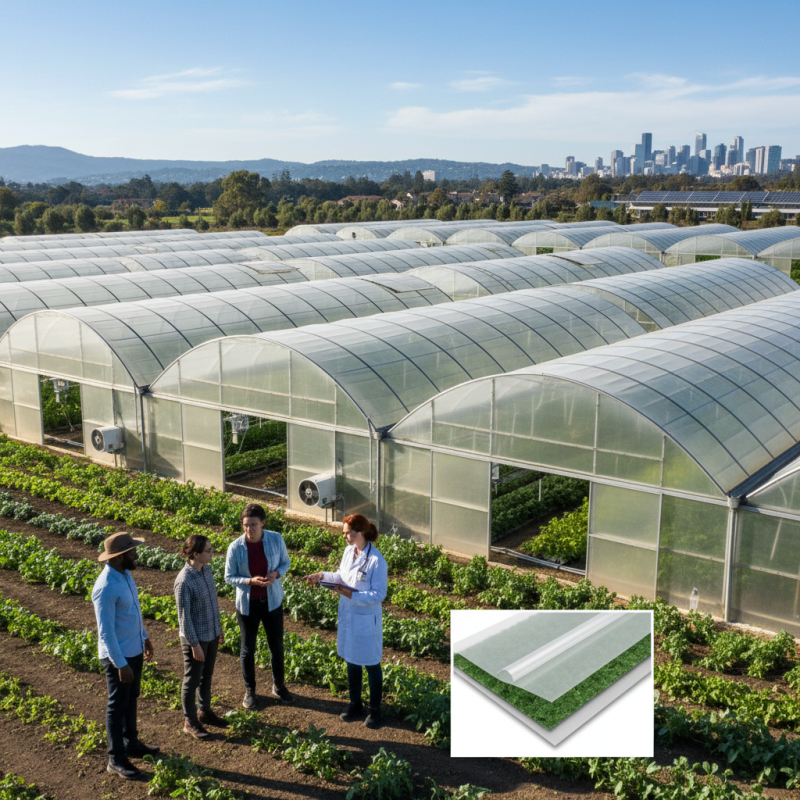
Overview of Polyethylene Greenhouses and Their Significance
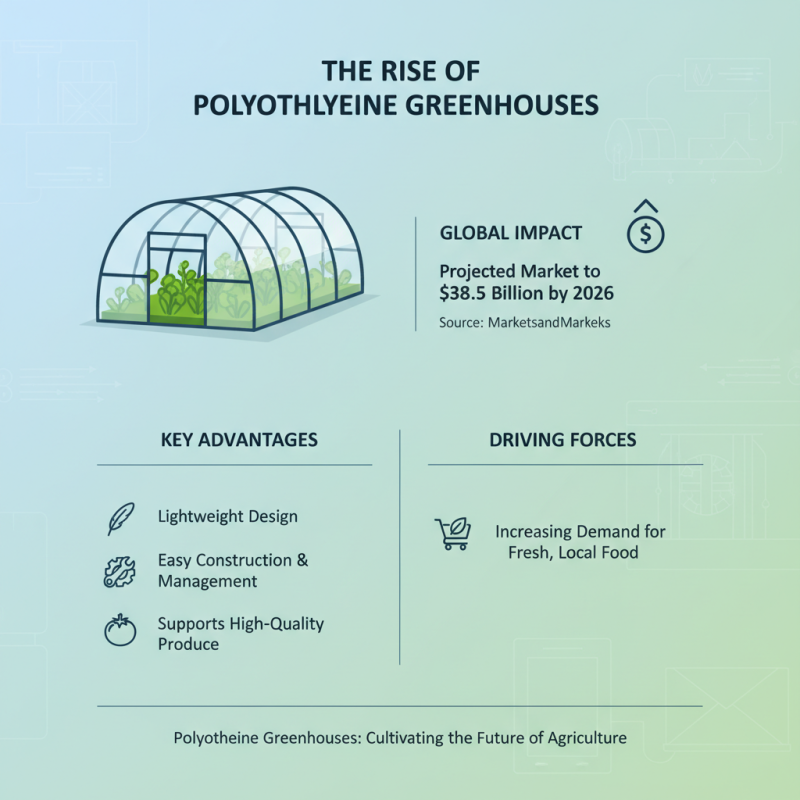
Polyethylene greenhouses have seen significant growth in recent years. Their lightweight design makes them easier to construct and manage. A report by MarketsandMarkets highlights the global greenhouse market is projected to reach $38.5 billion by 2026, with polyethylene structures leading the way. This growth is driven by the increasing demand for high-quality produce, which polyethylene greenhouses effectively support.
These structures offer thermal efficiency that enhances plant growth. A study by the American Society for Horticultural Science reveals that polyethylene covers can retain heat better than traditional materials. This results in extended growing seasons and increased yields. Moreover, they allow for better light diffusion, crucial for photosynthesis. However, the reliance on polyethylene poses sustainability questions.
While these greenhouses provide benefits, they are not without flaws. Polyethylene can degrade over time, necessitating frequent replacement. This often leads to waste issues. Many growers are actively seeking more sustainable solutions. Overall, while polyethylene greenhouses present undeniable advantages, the industry must address long-term environmental impacts. It is essential to continue evaluating options to balance productivity and sustainability.
Key Benefits of Polyethylene Greenhouses for Global Buyers
Polyethylene greenhouses are increasingly popular among global buyers due to their numerous advantages. The lightweight nature of polyethylene allows for easy setup and relocation, making it ideal for growers who may need to change locations. According to the 2022 Global Greenhouse Production Report, more than 60% of the world's greenhouse area is now covered by polyethylene, reflecting its high demand and effectiveness.
One significant benefit of polyethylene greenhouses is improved climate control. These structures can maintain optimal temperatures, promoting plant growth year-round. Research indicates that well-designed polyethylene greenhouses can increase yields by up to 30% compared to traditional methods. The material’s UV-resistant properties also enhance durability and reduce the need for replacements. However, growers must consider potential limitations, such as a shorter lifespan compared to glass greenhouses, which may deter some buyers.
Energy efficiency is another notable advantage. Polyethylene greenhouses require less heating energy in colder months, which can lead to cost savings for users. A study from the International Horticultural Congress shows that integrating polyethylene with thermal screens can significantly improve energy conservation. Nonetheless, some users report difficulties with condensation, which can affect plant health. Addressing these challenges is essential for maximizing the benefits of polyethylene structures.
Sustainability and Environmental Impact of Polyethylene Greenhouses
Polyethylene greenhouses are becoming a significant choice for sustainable agriculture. They offer various environmental benefits. According to the Global Greenhouse Industry Report, the use of polyethylene can reduce energy consumption by up to 25%. This reduction is crucial in minimizing the carbon footprint of agricultural practices.
These greenhouses also contribute to waste reduction. Unlike traditional materials, polyethylene is recyclable. The Plastics Industry Association states that over 90% of polyethylene can be repurposed. This capability aligns with global sustainability goals. It addresses the growing concern over plastic waste in the environment.
However, challenges remain. The longevity of polyethylene can lead to microplastic pollution if not properly managed. A study from the Journal of Cleaner Production highlighted that while polyethylene is effective, its lifecycle must be carefully considered. Buyers need to weigh these factors against the benefits. Sustainable practices are essential for future agricultural advancements.
2026 Top Polyethylene Greenhouse Benefits for Global Buyers
| Benefit |
Description |
Environmental Impact |
| Cost-Effective |
Polyethylene is cheaper than glass or other greenhouse materials, making greenhouses more accessible to more growers. |
Reduces financial barriers for sustainable farming practices. |
| UV Resistance |
UV-resistant polyethylene films provide better durability and longer life span. |
Minimizes waste generated from frequent replacements. |
| Lightweight |
Easier to install and manage compared to traditional materials. |
Lowers energy use during transportation and installation. |
| Fresh Produce |
Allows year-round production of fresh vegetables and fruits. |
Reduces carbon footprint associated with transporting out-of-season produce. |
| Temperature Control |
Effective regulation of internal temperatures aids in plant growth. |
Minimizes energy use for heating during colder months. |
Cost-Effectiveness and Economic Advantages of Using Polyethylene
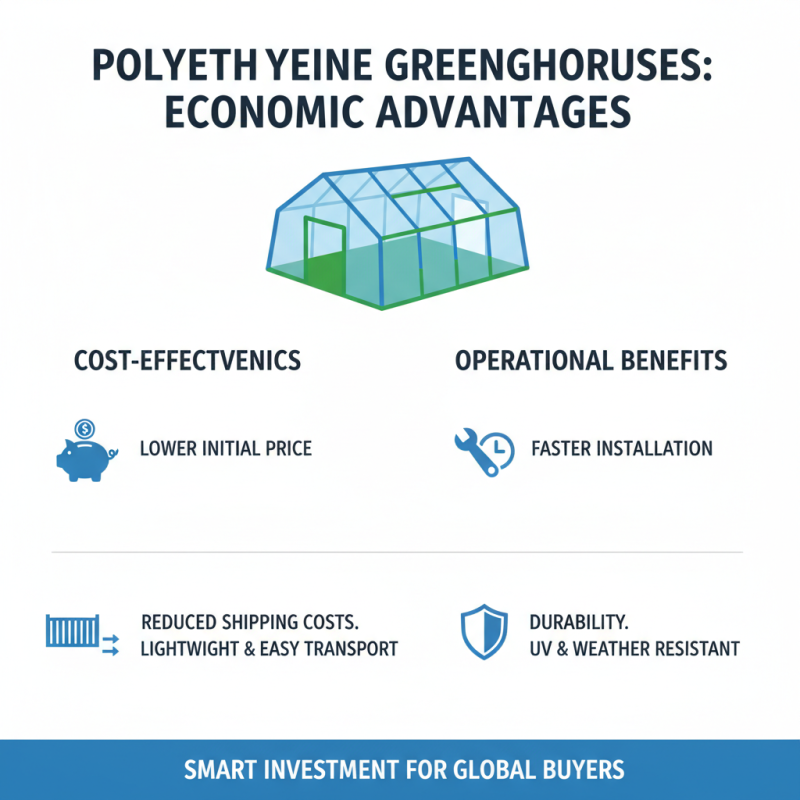
Polyethylene greenhouses have become increasingly popular among global buyers. Their cost-effectiveness sets them apart from traditional materials. These greenhouses are lightweight and easy to transport. This allows for reduced shipping costs and faster installation. The lower price point does not compromise durability. Polyethylene offers strong resistance to UV light and various weather conditions.
Economic advantages further enhance the appeal of polyethylene greenhouses. They provide excellent thermal insulation, helping to maintain optimal temperatures. This leads to increased crop yields and more efficient growing seasons. Additionally, their transparent design maximizes sunlight exposure. However, some buyers may question the longevity of polyethylene compared to glass. It's essential to weigh the upfront costs against the long-term benefits.
Investing in polyethylene greenhouses can be a double-edged sword. While they are cost-efficient, their environmental impact raises questions. Buyers need to consider recycling options when these structures reach the end of their life. Overall, they're a viable choice but require careful thought. Balancing economic benefits with sustainability is key.
Innovative Features Enhancing the Efficiency of Polyethylene Greenhouses
Innovative features in polyethylene greenhouses significantly enhance their efficiency for global buyers. These structures utilize advanced materials that improve light diffusion. Enhanced light transmission allows plants to receive more consistent light, promoting healthier growth. Producers also focus on reducing energy consumption, a pivotal factor in sustainable farming, by incorporating thermal efficiencies.
Air circulation systems have evolved greatly. Modern polyethylene greenhouses now integrate automated vents and fans. These features create a stable internal climate, essential for crop productivity. However, maintaining the ideal humidity and temperature can still pose challenges. Growers must continuously monitor these conditions to prevent issues like mold or crop stress.
Water conservation is another critical area. New polyethylene designs feature integrated irrigation systems that minimize waste. These systems offer precise water delivery, which can be a game changer for arid regions. Yet, irrigation needs vary by crop and climate, making customization essential. Addressing these changes remains a work in progress for many growers, who must adapt their strategies accordingly.
The bar chart above illustrates the top benefits of using polyethylene greenhouses for global buyers in 2026. The data shows the percentage impact of various advantages, including cost efficiency, durability, UV resistance, thermal insulation, and light diffusion.