How to Build a Gothic Greenhouse for Your Garden?
Creating a Gothic Greenhouse can transform your garden into a captivating retreat. According to Dr. Emily Hart, a renowned horticultural architect, "A Gothic Greenhouse adds both beauty and functionality to any landscape." The architectural elegance of this style captures attention and inspires awe.
Building a Gothic Greenhouse is not just about aesthetics; it's about creating a suitable environment for your plants. Tall arches and pointed windows allow sunlight to flood in, while the intricate design offers stability. However, the process can be complex and challenging. Precise measurements are critical, and the materials must be chosen wisely. Mistakes can lead to leaks or inadequate insulation, which may harm your plants.
When venturing into this project, consider the balance between form and function. Aesthetically pleasing designs might sometimes overlook practical necessities. Reflect on how you can integrate structure with nature's needs. By understanding both the beauty and the function of a Gothic Greenhouse, you can create a stunning and productive space.
Understanding Gothic Architecture Principles for Greenhouses
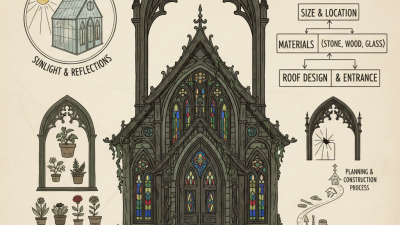
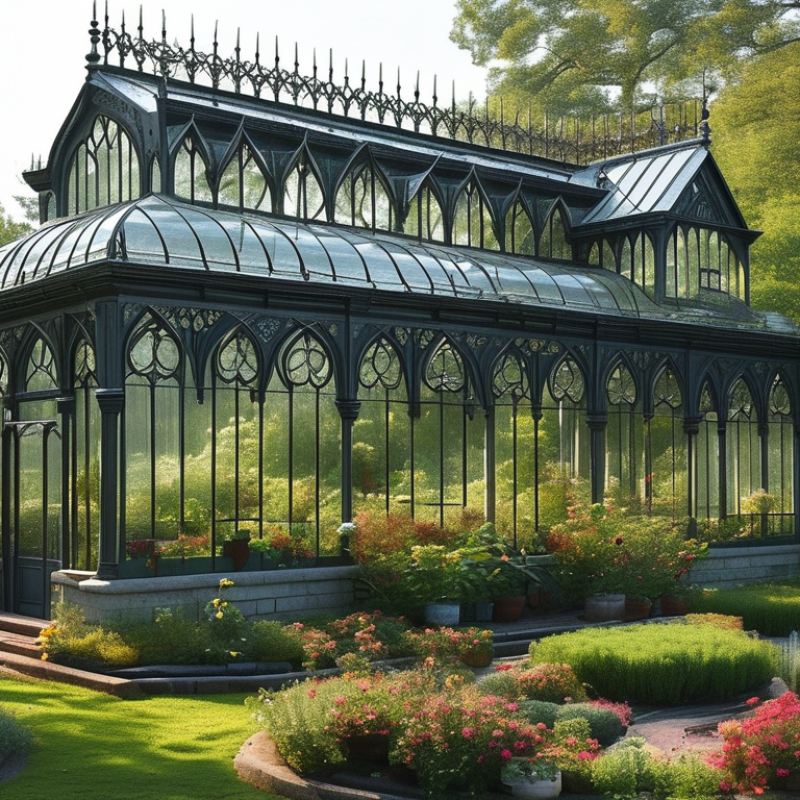
Gothic architecture is a captivating style that can add a unique flair to any greenhouse. Key principles include pointed arches, ribbed vaults, and flying buttresses. These elements not only create aesthetic appeal but also enhance structural integrity. The steep roofs allow for optimal rainwater drainage while providing a spacious interior.
When designing your gothic greenhouse, consider the use of large stained glass windows. They let in ample sunlight and create a vibrant atmosphere. However, ensure the glass is durable to withstand weather changes. The height of the structure is another essential aspect, allowing plants to flourish in a well-ventilated space.
Remember that constructing a gothic greenhouse can be challenging. Precision is vital during the building phase. Miscalculations in arch designs or window placements can lead to structural issues. Reflecting on past experiences will help you refine your skills for future projects. Creativity combined with practicality is key to achieving the gothic aesthetic in your greenhouse.
Choosing the Right Location and Site for Your Gothic Greenhouse
Choosing the right location for your Gothic greenhouse is crucial for its success. Ideally, it should receive at least six hours of sunlight daily. This helps to maintain a warm environment where plants can thrive. Areas with steady airflow will also prevent mold and pests. Research shows that greenhouses placed in sheltered spots can boost growth rates by as much as 25%.
Consider the drainage of your selected site. Poor drainage can lead to root rot and other plant diseases. A slight slope can facilitate water runoff, keeping the roots healthy. Soil testing is vital here. Checking pH levels ensures that the ground meets the needs of your intended plants.
Plants like tomatoes and peppers thrive in warmer environments. This makes South-facing locations the most advantageous. However, ensure they're not too exposed to harsh winds. Each site has its quirks. A careful assessment can save time and resources.
Look at the proximity to your home. Being close encourages regular maintenance and monitoring. Also, think about accessibility for watering and managing pests. A well-thought-out position will enhance your gardening experience. It’s worth taking the time for this analysis.
How to Build a Gothic Greenhouse for Your Garden? - Choosing the Right Location and Site for Your Gothic Greenhouse
| Aspect |
Details |
| Ideal Location |
Sunny spot with at least 6 hours of sunlight per day. |
| Water Source |
Close proximity to a water source for easy irrigation. |
| Wind Protection |
Sheltered from strong winds to maintain temperature. |
| Accessibility |
Easily accessible for maintenance and harvesting. |
| Soil Type |
Well-draining soil is preferred for healthy plant growth. |
| Building Regulations |
Check local zoning and building regulations for greenhouses. |
| Size Consideration |
Determine the size based on available space and plant needs. |
Essential Materials and Tools Needed for Construction
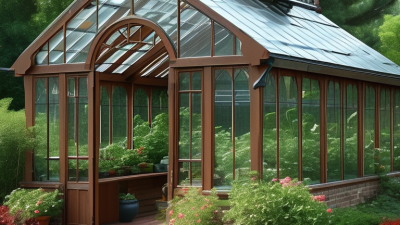
Building a gothic greenhouse requires careful selection of materials and tools. You need sturdy construction materials that can withstand various weather conditions. High-quality timber is essential for the framework. It provides strength and durability. Steel or aluminum can be used for added support, especially in larger structures. Glass panes, ideally tempered, are crucial for maximizing sunlight exposure. Reports indicate that a well-constructed greenhouse can increase plant growth efficiency by up to 35%.
In addition to materials, having the right tools is vital. A circular saw will allow precise cuts for wood and metal. A level and measuring tape ensure your structure is square and stable. You also need drill sets for securing materials together. Professional guidelines suggest that a well-planned workspace can reduce construction time by 20%. However, many DIY enthusiasts overlook this aspect, leading to possible delays.
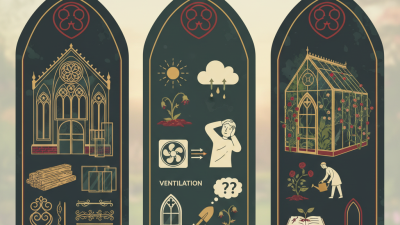
The design of your gothic greenhouse itself comes with unique challenges. The peaked roofs require specific angles and may need additional support. Planning for ventilation is often underestimated. Improper ventilation can lead to heat build-up, harming your plants. Gathering data on local weather patterns can inform your design choices. Addressing these details upfront can prevent costly mistakes down the line.
Step-by-Step Construction Process for a Gothic Greenhouse
Building a Gothic greenhouse adds charm to any garden. The construction process can feel overwhelming at first. Start by gathering materials: wood for the frame, glass for the windows, and decorative elements like finials. Ensure you have a solid foundation; a flat, level area is crucial for stability.
Next, construct the frame. This structure will support the greenhouse entirely. Use angled cuts to create the pointed arches typical of Gothic design. Pay attention to measurements; precision matters here. As you work, consider how the sunlight will enter. Position windows for optimal light exposure but remember to maintain a balance with ventilation.
When installing the glass, choose panels carefully. Sealing gaps is important to retain heat and humidity, but it can be tricky. Some DIYers may struggle with leaks. It might take a few attempts to find the right method. Lastly, add decorative touches like wrought iron details. These enhance the aesthetic but also require a careful hand. Reflect on your choices throughout this process; each step reveals a new challenge.
Monthly Temperature Variations for a Gothic Greenhouse
Incorporating Decorative Elements and Landscaping for Finishing Touches
Creating a gothic greenhouse goes beyond structure; it's about merging aesthetic with practicality. Decorative elements can play a crucial role in achieving the desired vibe. Intricate wrought iron details on the windows or doors add elegance. Consider using vintage lanterns to illuminate the entrance, giving it an enchanting feel at dusk. You might incorporate gargoyle statues or stone carvings, but balance is key. Too many ornaments can create clutter.
Landscaping is equally important. Plant fragrant roses with dark foliage around the greenhouse. Their blooms contrast nicely with the gothic style. Pathways lined with slate stones lead to your greenhouse entrance. Adding a small pond or water feature can enhance tranquility. Remember, not every design will be perfect. Experiment with plants and décor. Some arrangements may not turn out as expected. Adjust as you go, listening to your personal sense of style. This will create a space that's uniquely yours.