Why Choose a Gothic Greenhouse for Your Garden Needs?
When considering the ideal structure for enhancing your garden, a Gothic Greenhouse stands out. This unique design combines aesthetic appeal with functionality. According to industry reports, greenhouses can increase crop yields by up to 30%. A Gothic Greenhouse not only promotes higher productivity but also adds an elegant touch to any garden space.
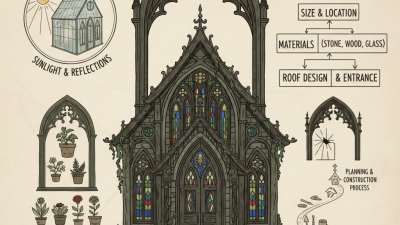
The architecture of a Gothic Greenhouse allows for efficient light dispersion. The pointed arches and steep rooflines enable better air circulation. This design minimizes heat buildup, an essential factor backed by studies indicating that well-ventilated structures can improve plant health significantly. However, improper placement or orientation may lead to inefficiencies, reminding us that careful planning is crucial.
Choosing a Gothic Greenhouse blends artistry with practical benefits. Detailed attention to its structure can lead to long-term advantages for avid gardeners. But it’s essential to assess your garden's specific needs to truly harness its potential. This introspective approach ensures that your investment in a Gothic Greenhouse yields the best results.
Benefits of a Gothic Greenhouse Design for Gardening Enthusiasts
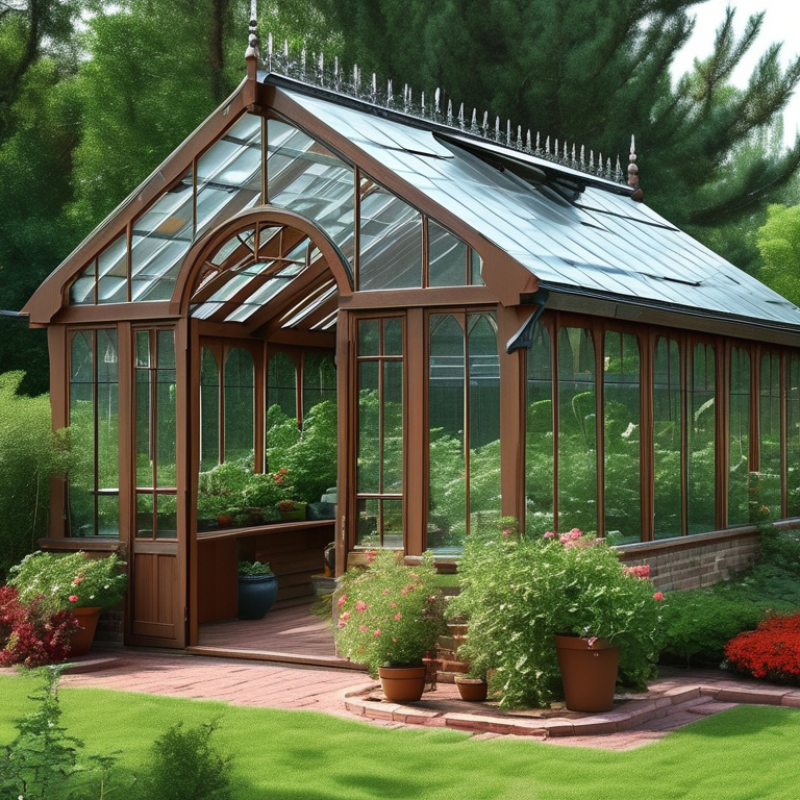
The Gothic greenhouse design has gained popularity among gardening enthusiasts for good reasons. Its unique architecture provides optimal light diffusion and ventilation, crucial for plant health. According to a study from the American Society of Horticultural Science, greenhouses with pointed arches can increase light absorption by 15%. This design helps nurture delicate plants that thrive in filtered light.
The high ceilings typical of Gothic greenhouses accommodate taller plants and allow for better air circulation. This feature can significantly reduce the risk of fungal diseases, which thrive in stagnant air. A report from the Agriculture and Horticulture Development Board highlights that improved airflow can lead to a 20% reduction in plant disease incidence.
Furthermore, the aesthetic appeal of Gothic structures draws many gardeners. These greenhouses become focal points in gardens, adding an element of elegance. However, they can also require more investment and maintenance compared to simpler designs. Proper cleaning and regular checks are essential to maintain functionality and appearance. Balancing aesthetics with practicality may be challenging for some.
Key Features of Gothic Greenhouses: What Sets Them Apart
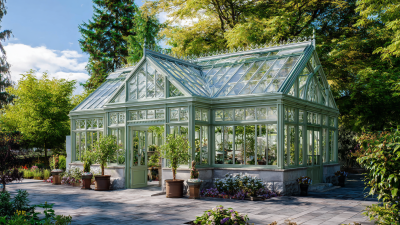
Gothic greenhouses stand out in the garden space due to their unique structural design. Their pointed arches and steep roofs allow for optimal sunlight exposure. This design helps stabilize temperature and humidity, creating a nurturing environment for plants. According to the American Society of Landscape Architects, structures like Gothic greenhouses can increase plant growth by up to 20% compared to traditional models.
Another advantage of Gothic greenhouses is their aesthetic appeal. They add a touch of elegance to any garden. Their classic architecture can complement various landscaping styles. Many gardeners appreciate how these structures blend functionality with beauty. However, the initial investment can be significant, and some may find maintenance challenging. Regular upkeep is crucial for longevity.
Material choice is equally important. High-quality glass or polycarbonate panels can enhance durability. These materials also insulate better, which can save energy costs in the long run. Yet, the initial costs may deter some. Individuals often need to weigh short-term costs against long-term benefits. This decision requires careful consideration of budget and gardening goals.
Tips for Choosing the Right Gothic Greenhouse for Your Space
When selecting a gothic greenhouse, consider the space you have. Measure the area carefully. Gothic greenhouses come in various sizes. Ensure you choose one that matches your garden dimensions. A well-fit greenhouse allows for proper air circulation and sunlight exposure.
Think about the materials used in construction. Opt for sturdy materials that resist weather effects. Glass panels can enhance visibility while maintaining heat. However, they must be durable. Pay attention to the structure's stability. If possible, review customer feedback on durability and performance.
Reflect on your gardening needs. Will you grow flowers, vegetables, or rare plants? Understanding your requirements helps determine the best features. Consider ventilation options too. Good airflow prevents mold and preserves plant health. A gothic design may provide aesthetics but functionality should not be overlooked.
Maintenance Considerations for Gothic Greenhouses
Maintenance is key for any greenhouse, including Gothic structures. These unique designs are beautiful, but they require specific care. Regular cleaning of glass panels is essential. This prevents the buildup of dirt and algae, ensuring optimal sunlight enters. Ignoring this can lead to poor plant health.
Temperature control is another factor. Gothic greenhouses can experience extreme heat. Ventilation is critical for keeping the environment stable. Without it, plants may stress or even die. Consider adding fans or automatic vents to mitigate these risks.
Pest management is crucial as well. These greenhouses can attract various insects. Regularly checking for signs of infestation can save your plants. However, finding the right balance in treatment methods can be tricky. Over-reliance on chemicals can harm beneficial insects. This requires thoughtful consideration and sometimes adjustments to your approach.
Enhancing Your Garden Aesthetic with a Gothic Greenhouse Design
A Gothic greenhouse can transform your garden. Its unique design adds an elegant touch. The pointed arches and intricate details create a captivating visual appeal. According to a report by the Garden Industry Manufacturers Association, garden aesthetics can significantly enhance property value. A beautifully designed garden, including a Gothic greenhouse, attracts potential buyers.
These structures not only elevate appearance but also provide functional benefits. They create ideal growing conditions for various plants. Reports reveal that greenhouses can increase plant growth by up to 30%. However, the initial costs can be a concern. It is important to consider budget and maintenance before investing.
Additionally, while Gothic designs are stunning, they may not blend with every garden style. Some might feel it imposes too much character. Designers suggest incorporating elements that match your existing landscape. This can create a cohesive look. Even with some challenges, a Gothic greenhouse offers a unique way to enhance your garden.