Best Tunnel Greenhouse Design Tips for Global Buyers?
In the rapid evolution of agricultural practices, the design of Tunnel Greenhouses has garnered significant attention. According to the latest report by the International Society for Horticultural Science, the global market for tunnel greenhouse structures is projected to grow by 8% annually. This growth highlights the increasing demand for efficient and sustainable farming methods. Industry expert Dr. Emily Carter states, "A well-designed tunnel greenhouse can enhance productivity and crop quality, while minimizing resource usage."
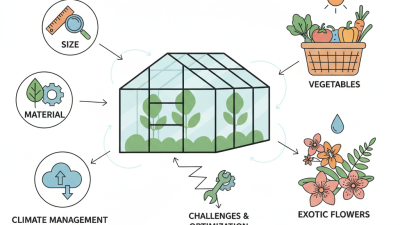
When designing a tunnel greenhouse, several factors come into play. Location, climate, and crop type greatly influence the design choices. Ineffective designs can lead to issues like inadequate ventilation or poor light distribution. Moreover, it’s essential to balance cost and functionality in construction to ensure a sustainable investment. Ultimately, every decision counts in creating an effective tunnel greenhouse that meets both environmental and agricultural needs.
Key Factors in Choosing the Right Tunnel Greenhouse Size
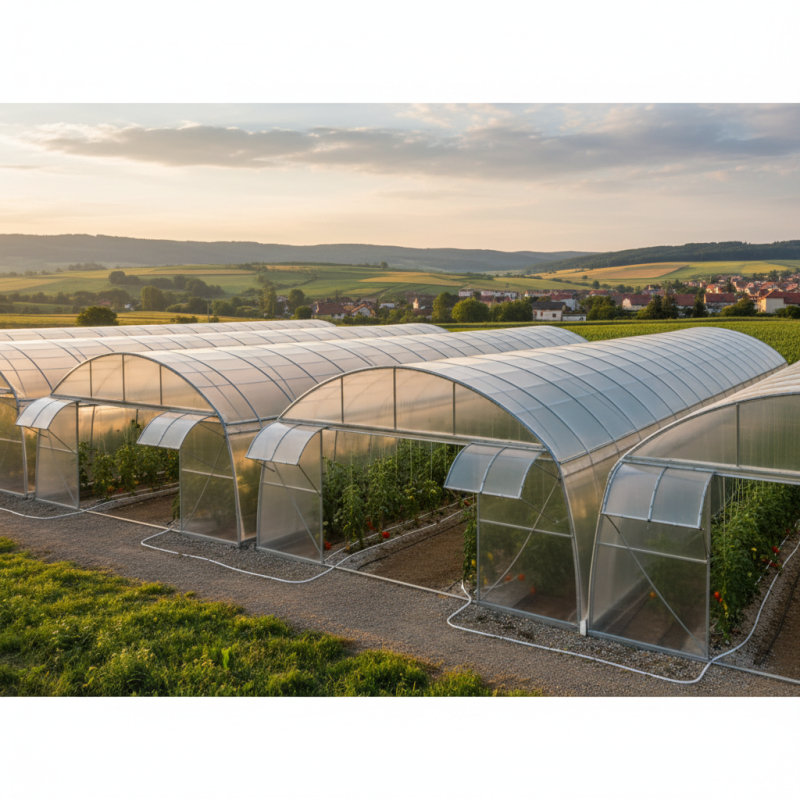
Choosing the right size for a tunnel greenhouse is crucial for successful horticulture. A study from the American Society for Horticultural Science states that optimal space allows for better crop yields. The most common sizes range from 12x24 feet for hobbyists to 30x96 feet for commercial growers. Each design serves different purposes based on the type and scale of crops.
When considering size, it's essential to evaluate the types of plants you aim to cultivate. For instance, tomatoes and cucumbers require more vertical space than leafy greens. A greenhouse too small can hinder growth. The right dimensions not only maximize plant health but also enhance airflow, reducing disease risks.
Many beginners underestimate future expansion. If you plan to increase production, opting for a larger structure initially may save costs and effort later. Some reports indicate that 40% of growers regret not investing in a bigger size. Selecting the correct dimensions can be a balancing act between current needs and future ambitions. Reflect on your specific situations, and do thorough planning.
Best Tunnel Greenhouse Design Tips for Global Buyers
| Factor |
Description |
Recommended Size (Sq Ft) |
Ideal Crops |
| Tunnel Design |
Consider the shape and structure of the tunnel to optimize air flow and sunlight. |
300 - 500 |
Tomatoes, Cucumbers |
| Material |
Choose UV-resistant materials that provide sufficient insulation and light diffusion. |
150 - 400 |
Lettuce, Spinach |
| Ventilation |
Incorporate proper ventilation systems to prevent overheating and humidity buildup. |
200 - 600 |
Peppers, Herbs |
| Irrigation |
Install efficient irrigation systems that minimize water usage while maximizing plant growth. |
250 - 500 |
Strawberries, Carrots |
| Lighting |
Ensure adequate lighting, whether through natural light or supplemental artificial lighting. |
300 - 700 |
Basil, Onions |
Essential Materials for Constructing a Durable Tunnel Greenhouse
When constructing a durable tunnel greenhouse, selecting the right materials is crucial. A solid frame is essential to withstand varying climatic conditions. Steel or galvanized aluminum frames offer excellent strength and longevity. According to a report by the American Society for Horticultural Science, the choice of material significantly impacts plant growth and productivity.
The covering material also plays a vital role in greenhouse performance. Polyethylene sheeting is popular due to its affordability and UV resistance. Studies show that greenhouses covered with polyethylene can increase crop yields by up to 30%. On the downside, this material may require replacement every few years due to wear. Always consider the local climate when selecting your covering material for optimal results.
Ventilation is another critical aspect often overlooked. Proper airflow helps regulate temperature and humidity levels inside the greenhouse. Using roll-up sidewalls or exhaust fans can enhance ventilation. However, improper installation can lead to energy inefficiency, potentially harming your plants. Always assess your design choices based on the specific conditions of your growing area.
Optimal Frame Design for Enhanced Stability and Longevity
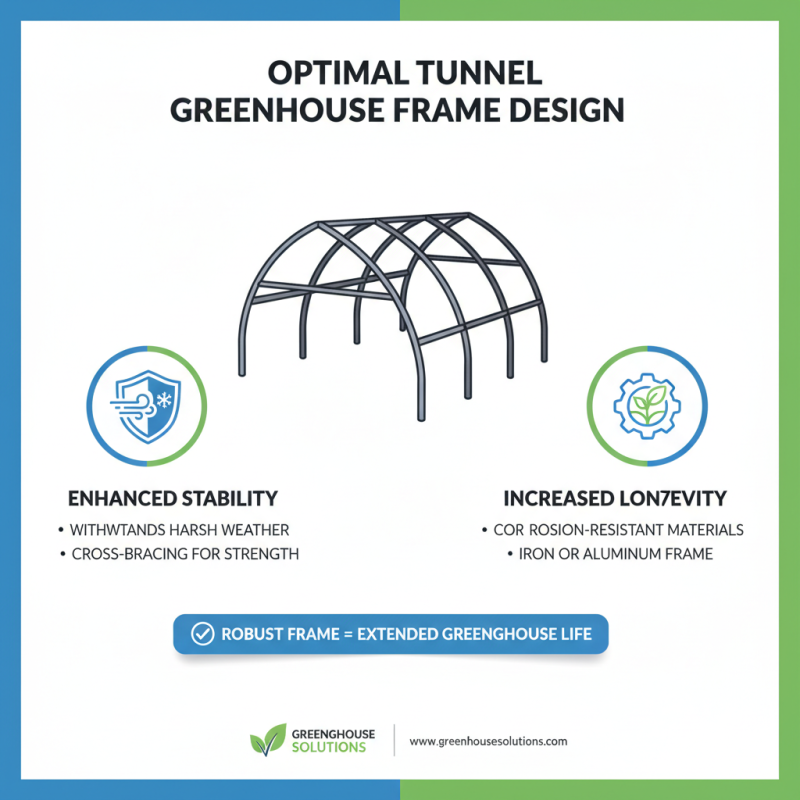
When designing a tunnel greenhouse, the frame is essential for stability. A robust frame can withstand harsh weather and prolong the greenhouse's life. Iron or aluminum are popular choices for materials. These metals resist corrosion and provide strong support. The design should include cross-bracing for additional strength. It helps counteract wind and snow loads.
But it’s not just about materials. The shape of the structure matters too. A rounded roof allows water and snow to slide off easily, preventing build-up. Tall side walls improve airflow and make accessing plants easier. These details enhance the growing environment inside.
While many designs are tried and tested, there is still room for improvement. Users often overlook the importance of localized factors. Soil type, climate, and common pests should inform the design. Gathering input from local growers can reveal insights. Consider adjusting the frame height based on the region's weather patterns. Every greenhouse design needs a unique touch. This level of customization leads to better results.
Climate Control Techniques for Maximizing Crop Yield
Creating an effective tunnel greenhouse requires a deep understanding of climate control techniques. Proper ventilation is essential. It helps regulate temperature and humidity levels inside the greenhouse. This is crucial for plant health. Automated systems can monitor air circulation and adjust accordingly.
Lighting plays a vital role too. Natural light is not always sufficient. Supplementary grow lights can extend daylight hours. They ensure crops receive adequate light for photosynthesis, especially in winter months. However, balancing light exposure is necessary. Too much light can lead to excessive heat and stress plants.
Consideration of water management is often overlooked. Drip irrigation systems are efficient and conserve water. They deliver moisture directly to plant roots. This system reduces evaporation and runoff. Still, it’s vital to monitor soil moisture regularly. Overwatering can create root diseases. Reflection on these details can improve greenhouse efficiency and crop yield immensely.
Best Tunnel Greenhouse Climate Control Techniques
Cost-Effective Tips for Tunnel Greenhouse Maintenance and Operation
Maintaining a tunnel greenhouse can be both cost-effective and efficient. Regular checks of the structure are crucial. Inspect for any wear and tear. This can prevent larger issues down the line. Make sure to clean the coverings frequently. Dust and debris block essential sunlight and can lower crop yields. A simple rinse can often do the trick.
Water management is another vital aspect. Consider using a drip irrigation system. It minimizes water waste and ensures that plants receive consistent moisture. However, be mindful of overwatering, which can harm root systems. Keeping an eye on moisture levels can help avoid this common pitfall.
Pest control should not be overlooked. Regular monitoring can catch infestations early. Natural deterrents can be effective and reduce chemical dependencies. Test various methods to find what works best for your specific environment. It’s important to acknowledge that some efforts may fail. Continuous learning is key to improving your greenhouse management strategies.