How to Choose the Best Tunnel Greenhouse for Your Needs?
Selecting the right Tunnel Greenhouse can be a daunting task. With various options available, it's essential to consider your specific needs. A Tunnel Greenhouse can provide an ideal environment for plant growth. Understanding its advantages and limitations is crucial for making an informed choice.
The layout, size, and materials of the Tunnel Greenhouse greatly influence its effectiveness. Each greenhouse design has its own set of features. That can make or break your gardening experience. You may be tempted by cheaper models, but they might lack durability. Investing in quality materials and design can pay off in the long run.
You should also think about your local climate. Different regions require different setups. Make sure the Tunnel Greenhouse you choose can withstand local weather conditions. This reflection on your unique situation will help ensure your gardening success. Balancing your aspirations and practical needs is vital for creating the perfect greenhouse environment.
Factors to Consider When Choosing a Tunnel Greenhouse
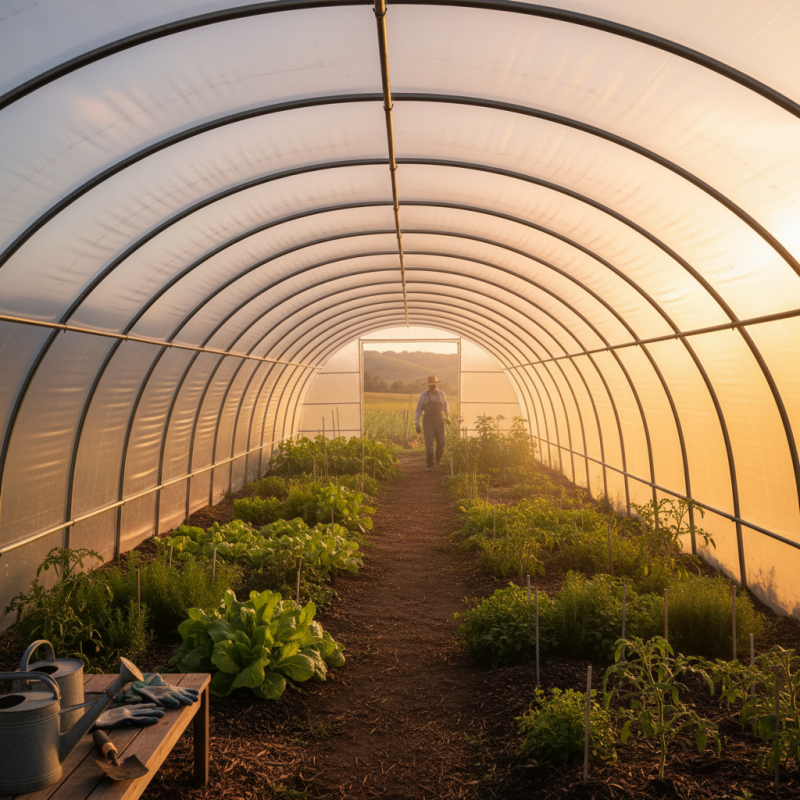
Choosing the right tunnel greenhouse can greatly impact your gardening success. Several factors play a crucial role in this decision. Start with the size. Consider what plants you will grow and how much space they need. A small greenhouse may limit growth, while one that’s too large can lead to unmanageable conditions.
Another critical factor is the material. Most tunnel greenhouses use polyethylene or polycarbonate. Each has its pros and cons. Polyethylene is lightweight and provides good light transmission, but it may not last as long. Polycarbonate offers durability, but it is often more expensive.
**Tips:** Assess your local climate before deciding. Extreme conditions can affect your greenhouse's performance. Also, check local building regulations. You might need a permit for larger structures.
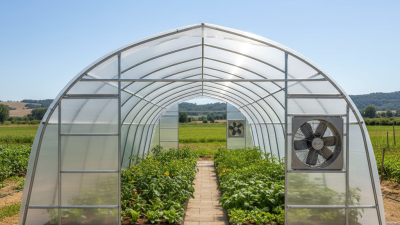
Ventilation is paramount. Good airflow prevents mold and pests. Ensure your greenhouse has adequate ventilation options. Fans or vents improve air circulation. However, adding them can complicate the setup and increase costs.
**Tips:** Look for models with adjustable vents. They offer flexibility in temperature control. Consider how much investment you want to make in heating and cooling systems. These decisions can affect your long-term gardening experience.
Types of Tunnel Greenhouses and Their Suitability
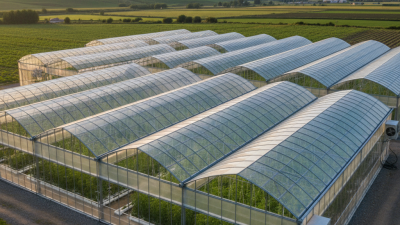
When choosing a tunnel greenhouse, consider the types available. Each type has its unique features, catering to different needs. For instance, quonset-style tunnels are popular for their semi-circular shape. They provide excellent wind resistance, making them suitable for windy areas. However, their structure may limit height, restricting taller plants or vertical gardening methods.
Another option is the gothic arch tunnel greenhouse. This type offers increased height and better ventilation. It’s ideal for growers who plan to cultivate larger plants. However, they can be more complex to assemble. If you're a novice, this could be a challenge. In colder climates, an insulated tunnel greenhouse might be necessary. Its design aims to retain warmth, which helps to extend the growing season. But, you must consider maintenance costs, as insulation may require more care.
Finally, high-tunnel greenhouses are perfect for extending seasons. They allow growers to plant early in spring and harvest late into fall. Yet, not every type can be moved easily. If you want flexibility, a portable greenhouse might be the best option. It allows movement based on seasonal needs. Evaluate your space, climate, and growing goals before making a decision. The right choice will greatly affect your success.
Types of Tunnel Greenhouses and Their Suitability
Assessing Your Climate and Location Needs
When considering the best tunnel greenhouse, assessing your climate and location is crucial. Different regions experience unique weather patterns, affecting plant growth. For instance, if you live in a colder area, your greenhouse should have proper insulation. Insulation keeps the temperature stable, allowing plants to thrive during winter.
Another crucial aspect is sunlight exposure. Plants need light, but too much can be harmful. If your location has intense sunlight, choose a greenhouse with shading options. This helps protect delicate seedlings from scorching. Additionally, consider wind patterns in your area. A sturdy structure will resist strong gusts, preventing potential damage.
Water availability is essential as well. In regions with occasional droughts, an efficient irrigation system is vital. It ensures your plants receive adequate moisture without excessive waste. Assessing these location-specific factors will guide you in selecting the most suitable tunnel greenhouse. Remember, a greenhouse should meet both your personal needs and regional challenges. Each choice you make can significantly impact your gardening success. Reflect on past experiences to help refine your decision-making process.
Space and Size Requirements for Your Plants
When selecting a tunnel greenhouse, space and size are crucial factors. Assess your available area to ensure your plants thrive. Measure the length and width of the designated space. Consider the height as well, especially for taller plants. Many gardeners underestimate how much room they need when plants mature.
A standard size may work, but think ahead. Your plants will grow, and overcrowding can lead to issues like poor air circulation and disease. Additionally, consider the number of plants you want. A compact greenhouse might suit seedlings but could become too cramped for mature vegetables.
Design the greenhouse layout for easy access and maintenance. Flow space is essential for watering, pruning, and harvesting. Empty spots may feel wasted, but they allow for expansion. Reflections on this layout often reveal overlooked areas that could benefit your growth plans. Think carefully about every detail.
Budgeting for Purchase and Maintenance Costs
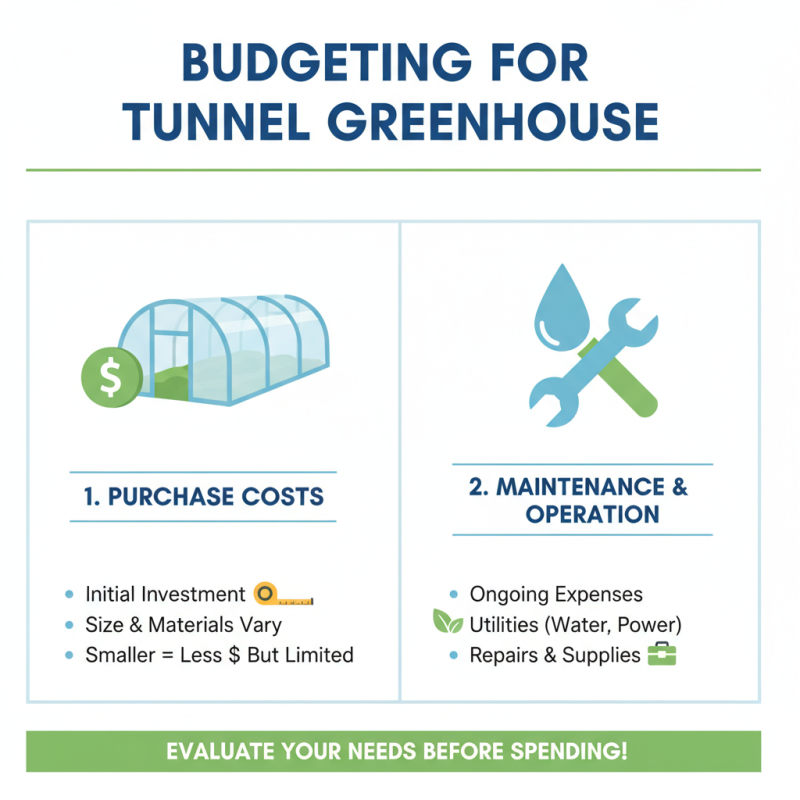
When budgeting for a tunnel greenhouse, consider the initial purchase cost. Prices can vary based on size and materials. A smaller structure might cost less, but it can limit your growing options. Evaluate your needs before spending.
Maintenance costs are another crucial factor. Regular upkeep includes repairs, heating, and water systems. These expenses can add up over time. Think about potential unforeseen repairs. An older structure might need more attention and resources. Calculate these costs before committing to a purchase.
Investing in a tunnel greenhouse isn't just about the upfront cost. Analyze long-term expenses as well. This approach ensures a sustainable gardening experience. Furthermore, reflect on your growing ambitions. Sometimes, aiming for a bigger greenhouse can prove wiser in the long run, even if it’s more expensive initially. Be realistic about what you can afford.