How to Start a Hydroponics Greenhouse for Profitable Farming?
Starting a Hydroponics Greenhouse can be a transformative venture in modern farming. According to expert Dr. Emily Carter, a leading hydroponics researcher, “A well-designed hydroponics greenhouse can yield crops faster and use less water.” This statement reveals the potential benefits of this innovative farming method. More farmers are exploring hydroponics due to changing climate conditions and food demands.
Implementing a Hydroponics Greenhouse involves understanding the system's technical aspects. Successful setups require careful planning and investment. Selecting the right crops and maintaining optimal conditions is crucial. Mistakes can be costly, and not all hydroponics systems work for every type of plant. Realizing what works best for your specific situation demands patience and testing.
A Hydroponics Greenhouse offers profitable opportunities. However, challenges abound, from nutrient management to pest control. Farmers must be willing to adapt and learn continuously. This ongoing process can be daunting. Yet, the rewards, such as producing high-quality vegetables year-round, can justify the effort. Balancing risk and innovation is essential for success in this field.
Understanding Hydroponics and Its Benefits for Farming
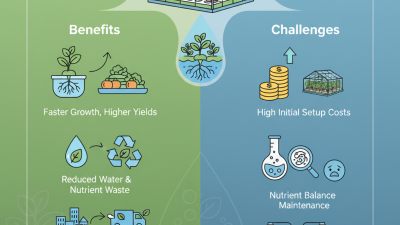
Hydroponics is an innovative farming technique that allows plants to grow without soil. Instead, they thrive in nutrient-rich water solutions. This method significantly reduces water consumption compared to traditional farming. Hydroponics delivers essential nutrients directly to the plant roots, ensuring optimal growth. As a result, crops can grow faster and yield more.
One major benefit of hydroponics is the control over environmental factors. Growers can manipulate light, temperature, and humidity. This leads to better crop quality and reduced pest problems. Urban areas benefit greatly from hydroponics. It allows farmers to utilize limited space effectively. However, getting started can be challenging. Initial setup costs can be high, and knowledge gaps may hinder success. Experimentation and continuous learning are essential.
Hydroponics also promotes sustainability. It minimizes the need for harmful pesticides and reduces farming's carbon footprint. But, it's crucial to consider local regulations and market demand. These factors greatly influence profitability. Engaging with local experts or attending workshops can provide valuable insights and increase reliability in this growing field.
Choosing the Right Location for Your Hydroponics Greenhouse
Choosing the right location for your hydroponics greenhouse is crucial for success. Start by evaluating the climate in your area. Ideally, you want moderate temperatures and consistent sunlight. Excessive heat can harm plants, while frigid conditions may slow growth. Consider if your site offers natural wind protection as well.
Look for a space with easy access to water and electricity. Reliable utilities will support your system's needs. Soil quality may not seem important, but it can affect runoff and drainage. If possible, select a location with good drainage to prevent any waterlogging issues.
Assess zoning laws and local regulations. It’s wise to ensure your plans comply with local guidelines before you begin construction. Some areas have restrictions on greenhouse structures. Evaluate potential pests and hazards nearby. This can help you prevent future problems. Location plays a vital role in the sustainability of your hydroponics setup. Reflect on your choices and be prepared to adapt as needed.
Essential Equipment and Materials Needed for Hydroponic Systems
Starting a hydroponics greenhouse requires careful planning and the right materials. Essential equipment includes a nutrient solution reservoir, grow lights, and a pH control kit.
You'll also need growing trays or containers, as well as a water pump and air stones for oxygenation. Each component plays a crucial role in plant health and growth.
Tips: Invest time in learning about nutrient solutions. Different plants require specific nutrients. Understanding this can prevent costly mistakes. Selecting the right grow medium, like rock wool or clay pellets, can also impact your yield.
Don't overlook the importance of environmental controls. Proper ventilation and temperature regulation are key. Consistent monitoring can help you identify problems early. Keeping a journal of your plants' growth can also provide valuable insights into your system's effectiveness.
Remember that hydroponics can be a learning curve. Expect some trial and error. Reflect on your experiences regularly to continually improve your setup and processes.
Designing Your Hydroponics Greenhouse for Maximum Efficiency
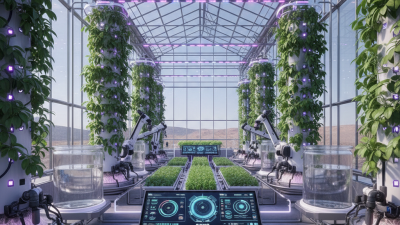
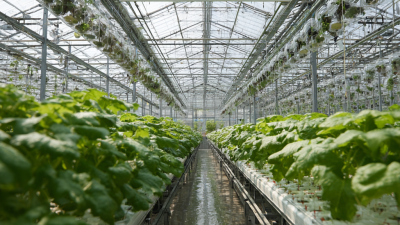
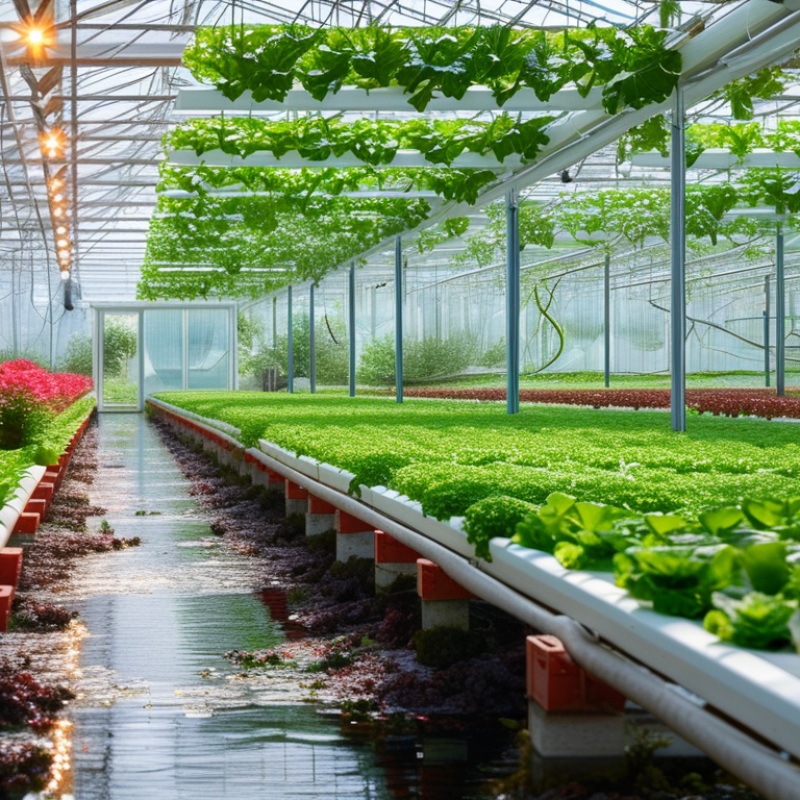
Designing a hydroponics greenhouse requires careful planning. The layout should maximize space and optimize light exposure. Consider using vertical farming methods. This can increase your yield in a limited area. Each plant should receive adequate airflow and light.
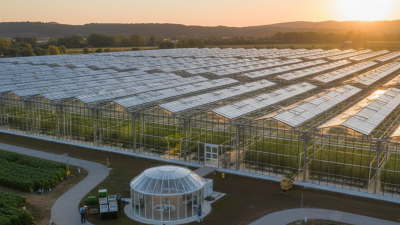
Choosing the right materials is critical. Glass or plastic panels can affect temperature control. Insulation must be efficient to maintain a stable climate. Think about the placement of pumps and reservoirs. They should be easily accessible. This helps reduce maintenance time and increase efficiency.
Evaluate your water and nutrient delivery systems regularly. Small leaks can waste resources. Monitor plant growth closely; not every setup works perfectly. Some plants may not thrive. Flexibility to adapt your design will enhance your operation over time. Regular reflection on efficiency is key to success.
Hydroponics Greenhouse Crop Yield Comparison
Marketing Your Hydroponics Products for Profitability
Marketing hydroponics products requires a solid strategy. First, understand your audience.
Who buys your produce? Restaurants, grocery stores, or individual consumers? Research their preferences.
This will help tailor your marketing approach.
Engage with your community. Attend local farmers' markets. Offer samples of your fresh produce.
Build relationships with potential buyers. Utilize social media. Share your journey, from
planting to harvest. Visuals play a crucial role;
show off your greens and vibrant growth.
Consider partnerships. Collaborate with local chefs for recipe ideas that highlight your products.
Offer farm tours to showcase your methods. Transparency builds trust.
Remember, each marketing strategy may not yield immediate results. Adjust as needed.
Test different approaches. Reflect on what resonates with your audience.