The Future of Hydroponics in China for Global Buyers?
The future of hydroponics in China is an intriguing topic for global buyers. According to Dr. Lisa Cheng, a leading expert in hydroponics, "China has the potential to revolutionize the way we think about agriculture." This statement highlights the innovative spirit driving China's hydroponics industry.
Hydroponics offers a soil-free method of growing plants, maximizing space and resources. In urban areas, where land is scarce, this method can yield fresh produce effectively. Busy city dwellers seek sustainable solutions for their food needs. As consumer demand grows, so does the need for advanced hydroponics systems.
However, challenges remain. Infrastructure development and technology adaptation are crucial. Some growers struggle with high costs and training issues. These factors can hinder progress. Yet, the commitment to overcoming obstacles suggests a bright future. As the hydroponics sector evolves, global buyers must stay informed and adaptable to seize emerging opportunities.
The Evolution of Hydroponics Technology in China
Hydroponics technology in China has seen remarkable growth in recent years. The country is rapidly adopting innovative methods for growing food without soil. In 2022, the hydroponics market in China was valued at approximately $1.5 billion. This figure is expected to reach around $3 billion by 2025, indicating a significant upward trajectory. With rising urban populations and food security concerns, hydroponics presents a viable solution.
Chinese researchers have developed advanced systems that maximize space and efficiency. Vertical farming techniques are leading the way, allowing smaller areas to produce substantial yields. Reports show that crop production can increase by up to 10 times compared to traditional methods. Despite these advancements, challenges remain. The high initial costs and the need for skilled labor are barriers that hinder broader adoption.
Collaboration between universities and agricultural technology firms is critical. Such partnerships can drive innovation and improve hydroponics systems. Data from industry reports indicate that nearly 70% of farms using hydroponics face technical difficulties. Addressing these issues is essential for sustainable growth. As China continues to evolve its hydroponics sector, the focus must shift toward making the technology accessible and effective for all farmers.
Key Players in China's Hydroponics Industry
China's hydroponics industry is growing rapidly, attracting attention from global buyers. Key players include local startups, educational institutions, and established agricultural firms. These stakeholders contribute valuable expertise, driving innovation and improving production methods. Startups often focus on niche markets, providing specialized solutions tailored to urban consumers. They are experimenting with vertical farming and integrated systems. Educational institutions are conducting research, sharing knowledge, and enhancing workforce skills in hydroponics.
Despite its potential, the industry faces challenges. Some players struggle with scalability and sustainability. Others encounter regulatory hurdles that can impede growth. Technology adoption varies widely, affecting overall efficiency. Moreover, consumer awareness of hydroponics remains limited in some areas. For global buyers, navigating this landscape can be complex. Understanding the local market dynamics is crucial for successful partnerships.
The hydroponics ecosystem in China is dynamic and evolving. It presents a mix of opportunities and obstacles. Buyers must remain vigilant, adapting to changes. Continuous learning and strategic collaboration are essential for success in this innovative sector.
The Future of Hydroponics in China for Global Buyers? - Key Players in China's Hydroponics Industry
| Dimension |
Data |
| Market Size (2023) |
$3 Billion |
| Growth Rate (2022-2027) |
15% CAGR |
| Number of Hydroponic Farms |
Over 5,000 |
| Main Products |
Lettuce, Tomatoes, Herbs |
| Leading Export Markets |
USA, Europe, Southeast Asia |
| Investment in R&D (2023) |
$500 Million |
| Sustainable Practices Adoption |
80% of Farms |
Market Trends and Demand for Hydroponic Produce in China
Hydroponics is gaining momentum in China. As urbanization rises, demand for fresh produce is also increasing. Consumers seek healthier food options. Hydroponic systems offer an efficient solution, producing crops without soil. This method uses nutrient-rich water, leading to faster growth. Urban dwellers appreciate the consistent supply of fresh greens.
Market trends indicate a shift towards sustainability. Hydroponic farms use less water and space than traditional agriculture. They can be set up in urban environments, reducing transportation needs. However, challenges remain. The initial investment for hydroponic systems can be high. Not all farmers are equipped to transition to this method. Education and support are necessary for wider adoption.
Global buyers are showing interest in Chinese hydroponic produce. They value fresh, locally grown foods. Market research suggests that organic hydroponic products may thrive. However, quality control and standards remain essential. Buyers must ensure they are sourcing reliable produce. The landscape for hydroponics in China is evolving, but it requires careful navigation.
Challenges Facing Hydroponics Adoption in China
Hydroponics holds great promise for China, but significant challenges remain. One major hurdle is the high initial investment required for setting up hydroponic systems. According to a report by Global Market Insights, the hydroponics market in China is expected to reach $10 billion by 2027. Yet, this growth hinges on broader accessibility to affordable technology.
Another challenge is a lack of awareness among local farmers. Many traditional farmers are hesitant to adopt hydroponic methods. Data shows that only 25% of Chinese farmers currently use advanced agricultural techniques. There is a need for educational programs to highlight the efficiency and high yield of hydroponics compared to soil-based farming.
Tips: Start with small-scale experiments to gauge interest in hydroponics. Collaborate with local agricultural schools to promote awareness and provide training. Hands-on demonstrations could shift perceptions and encourage adoption.
Additionally, regulatory barriers slow down progress. The Chinese government offers support for sustainable practices, but the bureaucratic process can be daunting. Streamlining regulations will help new hydroponic ventures thrive. It's essential to engage with policymakers to advocate for this modernization in agriculture.
The Role of Government Policies in Promoting Hydroponics in China
Government policies play a pivotal role in the growth of hydroponics in China. In recent years, authorities have recognized the potential of hydroponic systems to address food security and enhance agricultural productivity. According to a report by the China Agricultural University, the hydroponics market is expected to reach $100 billion by 2025. This staggering growth reflects a broader commitment to modern agricultural practices.
Supportive policies include financial incentives and research funding. The government has initiated subsidies for farmers adopting hydroponic techniques. A study published in the Journal of Agricultural Economics noted that these subsidies can cover up to 50% of initial system costs. However, the uneven implementation of these policies raises questions about accessibility for small-scale farmers. Not all regions benefit equally, leading to a disparity in adoption.
Furthermore, regulations surrounding water use and environmental impact assessments sometimes hinder progress. Stricter guidelines could limit the expansion of hydroponic farms. Yet, they are essential for sustainable growth. Balancing innovation with regulatory frameworks is a challenge. The path forward requires dynamic strategies that promote hydroponics while ensuring environmental stewardship.
The Future of Hydroponics in China for Global Buyers
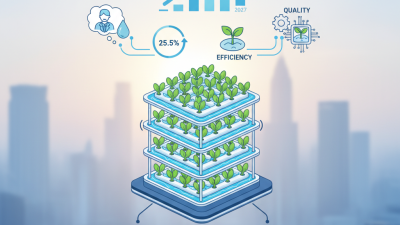
This chart illustrates the projected growth of hydroponics market in China from 2023 to 2030. The adoption of hydroponics technology is significantly influenced by government policies aimed at promoting sustainable agriculture practices.