China Top Hydroponics Suppliers for Your Agricultural Needs?
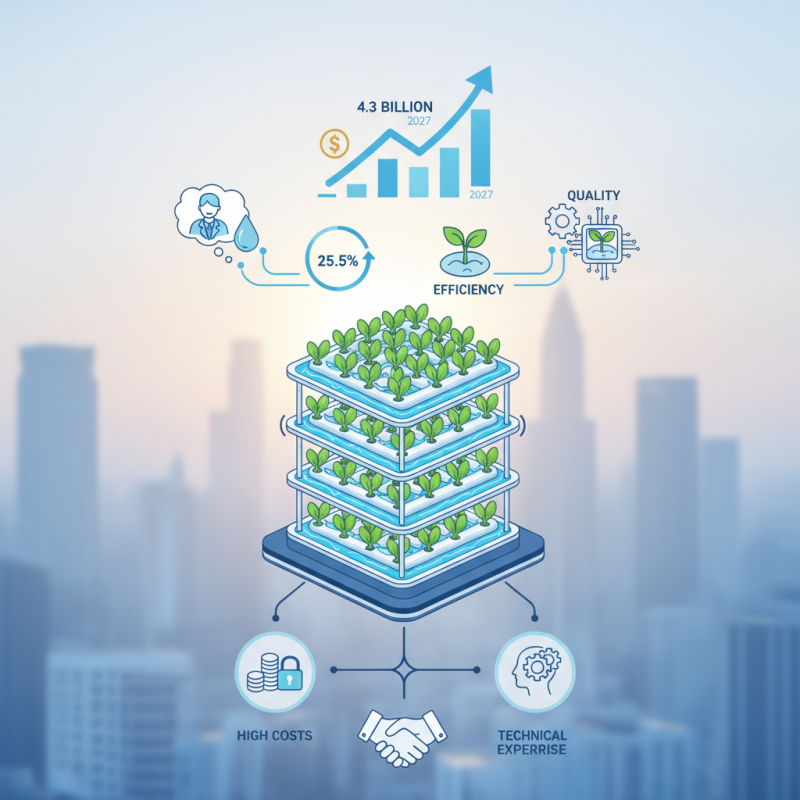
Hydroponics is transforming the agricultural landscape in China. This innovative method allows crops to thrive without soil, relying instead on nutrient-rich water. According to a recent report by ResearchAndMarkets, the hydroponics market in China is projected to reach $4.3 billion by 2027, growing at a CAGR of 25.5%. This data highlights the increasing interest and investment in this sector.
Dr. John Thompson, a leading expert in hydroponics, emphasizes its potential: "Hydroponics offers a sustainable solution for food production amid rising population pressures." His insight underscores the urgency to adopt efficient farming practices. Despite the advancements, challenges remain, such as high initial costs and the need for technical expertise. Not every supplier can deliver the quality required.
As more farmers shift to hydroponics, selecting reliable suppliers becomes crucial. Quality and efficiency should guide decisions in this evolving market. The future of agriculture hinges on such innovations, and recognizing the right partners is essential for success in hydroponics.
Overview of Hydroponics in China
Hydroponics has gained significant traction in China, driven by the need for sustainable agriculture. This method allows crops to grow without soil, using nutrient-rich water instead. As urban areas expand, land scarcity becomes a pressing issue. Hydroponics presents a practical solution for maximizing yields in limited spaces.
Growing in nutrient-rich water requires precise control of variables like pH and nutrient levels. It’s crucial to monitor these elements closely. This farming method results in faster growth rates, often leading to higher productivity. However, it’s not without challenges. Knowledge of system maintenance and pest management is vital for success.
**Tips:** Regularly check water quality to ensure plant health. Additionally, consider investing in automated systems for easier monitoring. Keep learning about different hydroponic systems and their specific needs. Experimentation can lead to improved practices and better results. Reflecting on what works and what doesn’t is key to refining your approach.
Key Features of Leading Hydroponics Suppliers
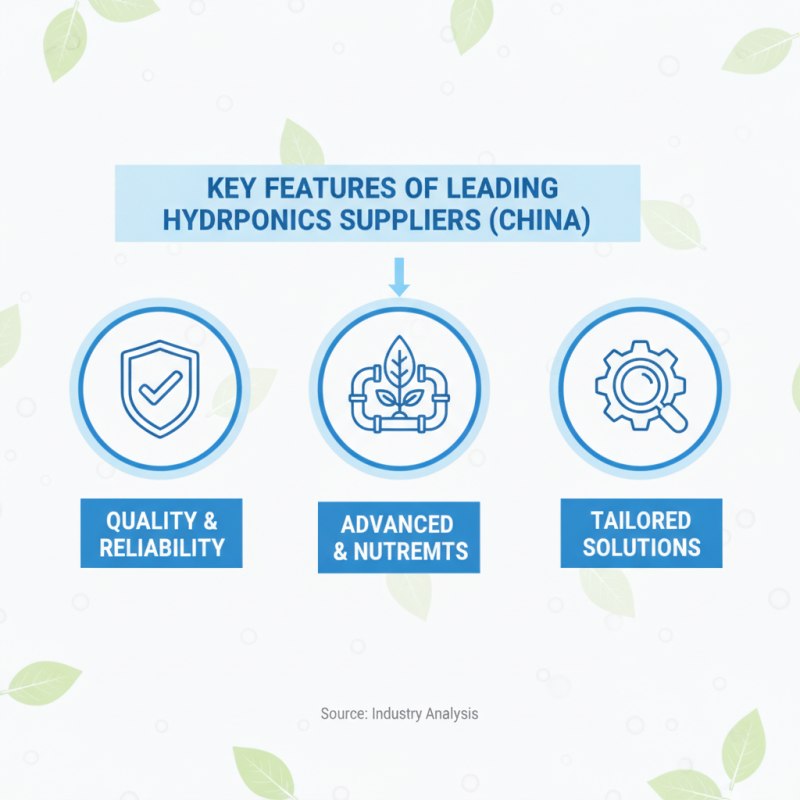
When exploring hydroponics suppliers in China, several key features stand out. Reputable suppliers exhibit a strong track record in quality and reliability. Their products typically include advanced growth systems, nutrient solutions, and robust support systems. Moreover, they often offer tailored solutions to meet diverse agricultural needs.
Tips: Research the supplier's history. Look for years of experience and positive reviews. This background reinforces trust in their offerings.
Another important feature is technological innovation. Leading suppliers invest in R&D to create efficient systems. These technologies can improve yield and reduce resource consumption. It's wise to evaluate the sustainability practices of these suppliers. A focus on eco-friendly methods indicates a commitment to responsible agriculture.
Tips: Compare different technologies. Identify which systems best fit your environmental goals. Not all suppliers prioritize sustainability, so ask about their practices.
Lastly, strong customer support is essential. Suppliers that provide ongoing training and assistance can help you maximize your hydroponics setup. If communication is lacking, this might signal potential issues down the line.
Tips: Test customer service before commitment. Make inquiries and note responsiveness. Being proactive can save you from future headaches.
Top Hydroponics Suppliers and Their Offerings
Hydroponics, a method of growing plants without soil, is gaining traction in China. Industry reports show that this market is expected to grow by 20% annually over the next five years. Farmers are adopting hydroponics to maximize yields and minimize water usage. This method allows for year-round production and faster growth rates, making it a promising option for sustainable agriculture.
Several suppliers in China are leading this revolution. They offer a range of hydroponic systems, including nutrient film technique (NFT), deep water culture (DWC), and aeroponics. Each system has unique benefits, like efficient nutrient delivery or reduced space usage. Nutrient solutions are also tailored to specific plant needs, enhancing growth and flavor. However, these systems require significant initial investment, which can deter small-scale farmers.
While the potential is vast, challenges remain. Knowledge gaps in hydroponic practices can hinder successful implementation. Training and support are critical for grower success. Additionally, there are concerns about reliance on technology and potential system failures. Effective management practices are essential for sustainable growth. The hydroponics sector in China is poised for growth, but attention to these details will be crucial.
Top Hydroponics Suppliers in China and Their Offerings
This bar chart represents the estimated market share of different hydroponic systems in China. The data reflects the growing interest in hydroponic technology and the diverse offerings available in the agricultural sector.
Market Trends and Future of Hydroponics in China
The hydroponics market in China is rapidly evolving. Farmers are exploring new technologies to enhance crop yields without soil. This shift to soil-less growing is partly due to urbanization and limited arable land.
Investments in hydroponics are rising, driven by government support and growing consumer demand for fresh produce. Many regions are adopting advanced systems to produce vegetables and herbs year-round. However, challenges remain. The initial setup costs for hydroponics systems can be high, making accessibility a concern.
Moreover, the technology requires a learning curve. Farmers often need proper training to utilize these systems effectively. Despite these hurdles, the optimism surrounding hydroponics in China suggests a bright future. The industry is poised for growth as innovations continue to emerge.
Considerations for Choosing a Hydroponics Supplier
Choosing the right hydroponics supplier is crucial for your agricultural ventures. Start by evaluating their expertise in the field. A reliable provider should have extensive experience in hydroponic systems. They must understand various plant types and their specific needs. Knowledgeable suppliers can offer valuable insights tailored to your goals.
Next, assess the quality of their products. Look for suppliers with a proven track record of selling effective hydroponic systems. Their equipment should be durable and efficient. Inquire about their sourcing practices. Are their materials sustainable? Transparency in sourcing indicates reliability. A solid supplier will also provide proper documentation for their products.
Engagement is key. Reach out to potential suppliers and ask questions. How responsive are they? Effective communication is a sign of a good partnership. Don’t hesitate to seek references from other customers. Their experiences can shed light on the supplier’s reliability and support. Reflecting on these considerations can guide you toward making an informed choice.
China Top Hydroponics Suppliers for Your Agricultural Needs
| Supplier Type |
Product Range |
Service Offered |
Location |
Year Established |
| Nutrient Supplier |
Hydroponic Nutrients, Additives |
Nutrient Solutions, Consulting |
Beijing |
2005 |
| Equipment Manufacturer |
Hydroponic Systems, Grow Lights |
Installation, Maintenance |
Shanghai |
2010 |
| Logistics Provider |
Shipping, Warehousing |
Global Shipping, Storage Solutions |
Guangzhou |
2015 |
| Consulting Agency |
Hydroponic Design, Agriculture Tech |
Planning, Technology Advisory |
Shenzhen |
2018 |
| Seed Supplier |
Organic Seeds, Hybrid Seeds |
Seed Sourcing, Trials |
Hangzhou |
2000 |