How to Buy a Single Span Greenhouse for Your Garden?
A Single Span Greenhouse can transform your gardening experience. It offers an efficient way to extend your growing season, providing optimal conditions for your plants. The arching design facilitates airflow, maximizing sunlight exposure. You must consider essential factors before making a purchase.
Different styles and sizes exist, catering to various garden needs. Choosing the right materials affects durability and insulation. A sturdy frame made of aluminum or galvanized steel is crucial for longevity. Some gardeners struggle with the installation process, which can be complex and time-consuming.
Understanding your local climate is vital. A Single Span Greenhouse should withstand wind and rain. You may find that a perfect fit for your garden is not always easy. Specific dimensions and features often vary. It’s essential to reflect on your gardening goals. Your choices can significantly impact both yield and enjoyment. Would you prefer a small hobby greenhouse or something larger? Investing time in research will surely pay off in the end.
Understanding the Basics of Single Span Greenhouses
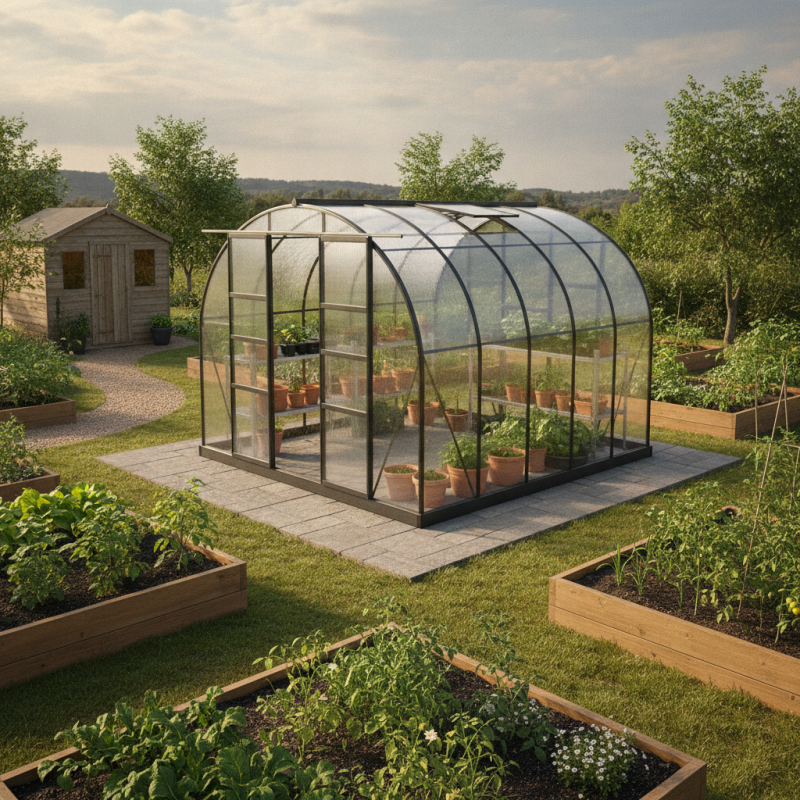
When considering a single span greenhouse, it's essential to understand its structure and benefits. Unlike multi-span models, single span greenhouses consist of one continuous arch, offering a simpler design. This configuration allows for better air circulation and sunlight penetration. According to the National Agricultural Statistics Service, greenhouses can boost vegetable yields by up to 30%. This increase is particularly noticeable in regions with unpredictable weather.
Selecting materials is crucial. Common choices include aluminum frameworks and polycarbonate panels. These materials provide durability while ensuring UV protection for plants. Research indicates that well-insulated greenhouses can maintain temperatures 10 degrees higher than outside. However, factors such as ventilation and humidity control can affect plant health.
The size of your greenhouse matters too. A small single span greenhouse may suffice for a home gardener. However, larger setups are necessary for commercial growers. According to industry insights, larger greenhouses can yield an additional 15% more produce. But larger spaces can lead to increased management challenges. Remember, every choice carries weight—find the balance that works for your gardening ambitions.
Choosing the Right Materials for Your Greenhouse Construction
When selecting materials for your single-span greenhouse, the choice impacts durability and efficiency. Polycarbonate panels are popular because they provide excellent insulation. According to a study by the American Society of Agricultural and Biological Engineers, polycarbonate can improve heat retention by up to 20% compared to glass. This efficiency promotes a better growing environment. However, some users report difficulty managing condensation with these panels.
Another option is polyethylene films. They are lightweight and cost-effective. A report from the Greenhouse Manufacturers Association shows that polyethylene can reduce upfront costs by 30% compared to glass structures. However, polyethylene has a shorter lifespan, often needing replacement every 4 to 6 years. Gardeners should weigh the initial cost against long-term durability to find the best fit.
Wood is a traditional choice for frames. It adds aesthetic appeal but requires maintenance. The USDA notes that untreated wood can last 5 to 10 years, while treated options increase this lifespan significantly. However, reliance on wood can lead to rot if not properly managed. It’s important to consider local climate effects on materials’ longevity and performance. These factors are crucial for creating a sustainable greenhouse that meets your gardening needs.
Material Choices for Single Span Greenhouses
Evaluating Budget Considerations for Purchasing a Greenhouse
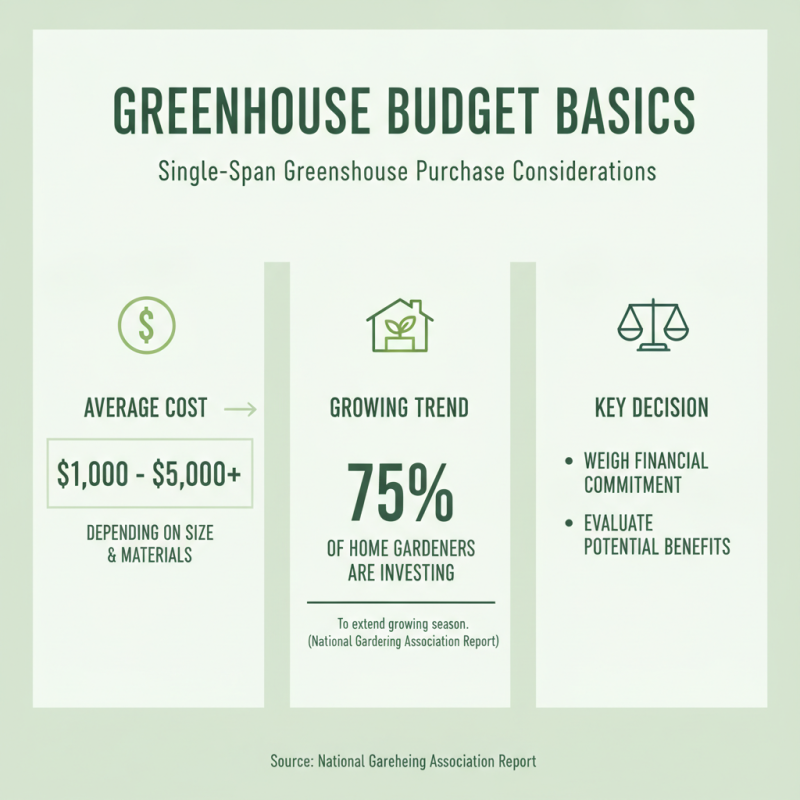
When considering the purchase of a single span greenhouse, evaluating your budget is crucial. The average cost of a greenhouse can range between $1,000 to over $5,000, depending on size and materials. A report by the National Gardening Association indicates that nearly 75% of home gardeners are investing in greenhouses to extend their growing season. This significant trend signals the importance of weighing your financial commitment against potential benefits.
Consider initial expenses such as site preparation, heating, and ventilation systems. Greenhouses require consistent maintenance. This might lead to hidden costs that could accumulate over time. A study by Gardening Australia emphasizes that improper budgeting can derail greenhouse projects. For example, opting for inexpensive materials may result in higher long-term costs due to repairs or replacements.
Reflect on the benefits of investing in quality. Reliable sources suggest that a sturdy greenhouse can last 10-20 years with proper care. You'll want to balance upfront costs with long-term value. It’s common for gardeners to overlook ongoing expenses, which can lead to frustration. Make sure to factor in utilities and potential upgrades when planning your budget.
Maintaining Your Single Span Greenhouse for Long-Term Use
Maintaining your single span greenhouse requires regular attention to keep it functioning effectively over time. Research indicates that proper maintenance can extend the lifespan of a greenhouse by up to 30%. Ensuring that your greenhouse's structure is stable is crucial. Check for any signs of wear or damage in the frame and glazing at least twice a year.
Ventilation plays a key role in greenhouse health. Proper air circulation controls humidity levels, preventing mold and pests. According to the American Society of Horticultural Science, nearly 50% of greenhouse issues stem from inadequate ventilation. Invest time in adjusting vents based on seasonal changes. Ensure that fans are working effectively and clean filters regularly to promote airflow.
Tips: Regularly clean your greenhouse’s glass to maximize sunlight exposure. Even a thin layer of dirt can block up to 20% of light. Also, consider using organic pest control methods. They are safer and often more effective than chemical options. Lastly, take a moment to reflect on your practices. Are they sustainable and efficient, or do they need improvement? This practice will lead to a healthier growing environment for your garden.