How to Choose the Best Gothic Greenhouse for Your Garden?
When considering a Gothic Greenhouse for your garden, it's essential to make an informed choice. Renowned expert in greenhouse design, Dr. Clara Holt, emphasizes, "A Gothic Greenhouse should not just be beautiful; it must also serve its purpose." Her insights highlight the importance of functionality alongside aesthetics.
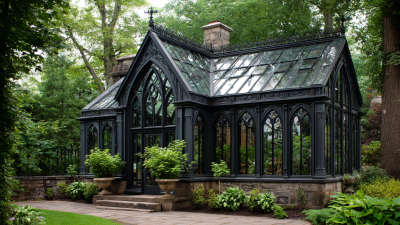
Gothic Greenhouses offer stunning architectural features. Their pointed arches and intricate designs can enhance any garden’s beauty. However, selecting the right one requires more than just a love for the style. Factors like size, material, and climate must be considered carefully. A larger greenhouse may provide ample space for diverse plants, but it also demands more maintenance.
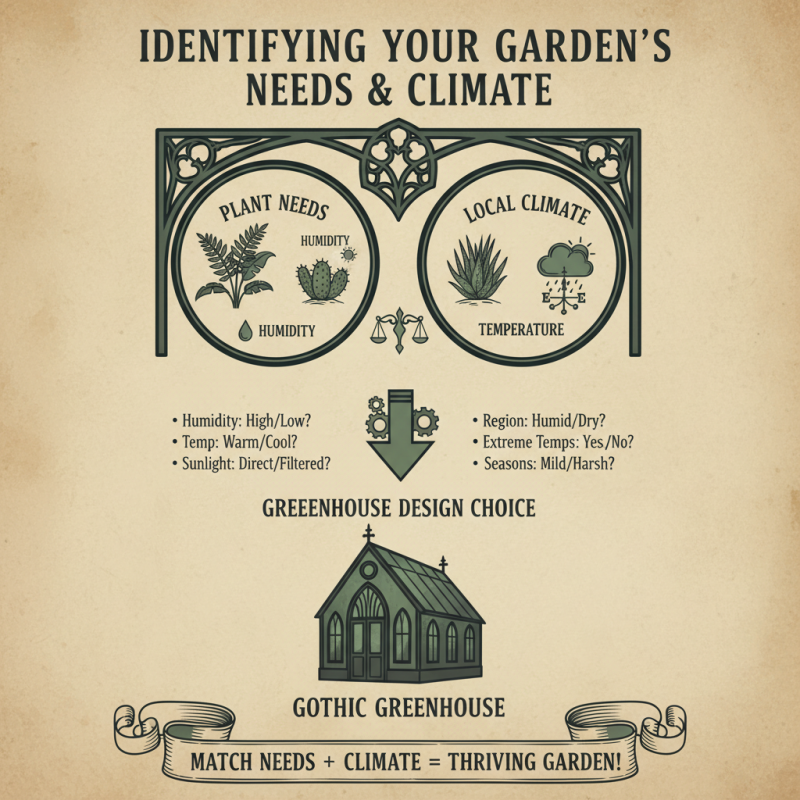
With various options available, not all Gothic Greenhouses meet specific gardening needs. Some designs may be visually appealing but lack proper ventilation or insulation. These shortcomings can lead to challenges in plant growth. Therefore, thorough research and expert advice are crucial in this process. An informed decision will ensure that your greenhouse beautifully complements your garden while supporting your horticultural ambitions.
Understanding the Basics of Gothic Greenhouses
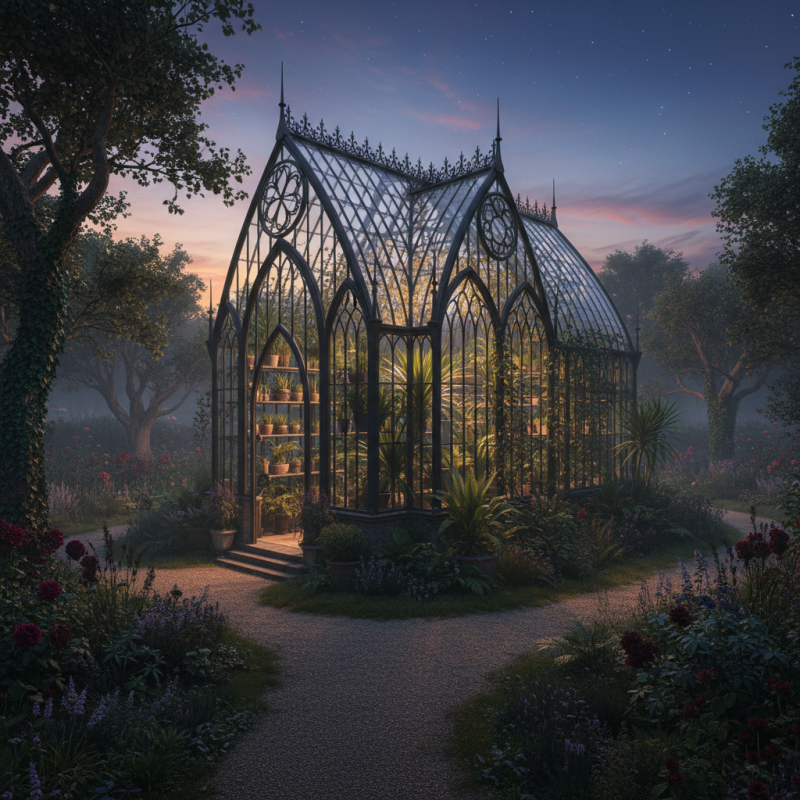
Gothic greenhouses have become beloved spaces for gardeners wanting both aesthetics and practicality. Understanding the basic structure of these greenhouses is crucial. The unique arch shape is not only visually appealing, but it also optimizes light penetration and airflow. Research indicates that this design can increase the average growing season by up to 40%, making it ideal for various climates.
When considering a gothic greenhouse, pay attention to materials. High-quality polycarbonate can provide better insulation than glass, reducing heating costs. According to industry reports, energy-efficient greenhouses can save homeowners nearly 30% on heating expenses. An adequate foundation is also essential—soil stability is crucial for durability and plant health.
Tips: Ensure you choose the right size for your space. A greenhouse that's too small can limit growth; too large may lead to waste. Additionally, inspect ventilation options. Proper airflow prevents mold and keeps plants healthy. Each detail can impact your gardening journey significantly. Rethink your design choices—sometimes less is more.
Key Features to Look for in a Gothic Greenhouse
When selecting a gothic greenhouse, focus on key features that matter. Structure is crucial. A sturdy frame can withstand harsh weather. Make sure the materials are durable. Look for options that resist rust and corrosion. This keeps your greenhouse functional for years.
Ventilation is another essential aspect. Adequate airflow helps regulate temperature and humidity. Adjustable vents are beneficial. They allow you to control the environment, which promotes healthy plant growth. Furthermore, consider the type of glass used. Double-glazed panels offer better insulation. This feature can save energy and create a stable climate for your plants.
Finally, accessibility plays a role. Wide doorways and spaces for movement are vital. It can be frustrating to navigate in a cramped space. Analyze your gardening style, as well. If you prefer potting plants inside, ensure there is enough room. Reflect on your specific needs to choose wisely. Each feature impacts your gardening experience, so weigh your options thoughtfully.
Comparing Materials and Styles for Durability and Aesthetics
When selecting a Gothic greenhouse, the materials and styles you choose can significantly impact durability and aesthetics. A study by the American Society of Landscape Architects emphasized that UV-resistant polycarbonate sheeting lasts longer than traditional glass. This detail means fewer replacements and lower long-term costs. Glass provides a classic look but can be fragile, making it less ideal in high-storm areas.
Wood frame greenhouses offer natural beauty and excellent insulation. However, they require regular maintenance to prevent rot. In contrast, metal frames are durable and rust-resistant, yet they may lack the charm of wood. A report from the National Gardening Association states that 75% of gardeners prefer greenhouses with a mix of materials. This preference highlights the significance of combining aesthetics with functionality.
When considering style, ventilation and light access are crucial. Gothic designs often include tall arches, allowing ample sunlight and air circulation. Yet, one must be mindful of placement. Direct sunlight can lead to overheating unless shaded correctly. This challenge reminds us that beauty in gardening often requires thoughtful planning and balance.
Comparing Materials and Styles of Gothic Greenhouses
Budgeting for Your Gothic Greenhouse Investment
When budgeting for your gothic greenhouse investment, consider both initial costs and ongoing expenses. Gothic greenhouses can vary significantly in price, influenced by size, materials, and design complexity. Start by determining your project needs. Do you want a small structure or a larger one? This decision will impact your budget. Don't forget to account for shipping costs, site preparation, and potential permits.
Tips: Invest in high-quality materials. While they may cost more upfront, they can save you money in the long run. A sturdy greenhouse lasts longer and requires less maintenance.
Consider your plants' specific needs. Certain plants benefit from better insulation or ventilation. This could affect your choice. A more complex structure may be tempting, but it could strain your budget. Reflect on your gardening goals—will a simple greenhouse suffice, or do you need advanced features?
Tips: Plan for utilities. Lighting and heating can become significant expenses, especially in colder climates. Factor these into your budget early on. Prioritize what matters most for your gardening journey.