How to Build a Vegetable Greenhouse for Optimal Crop Production?
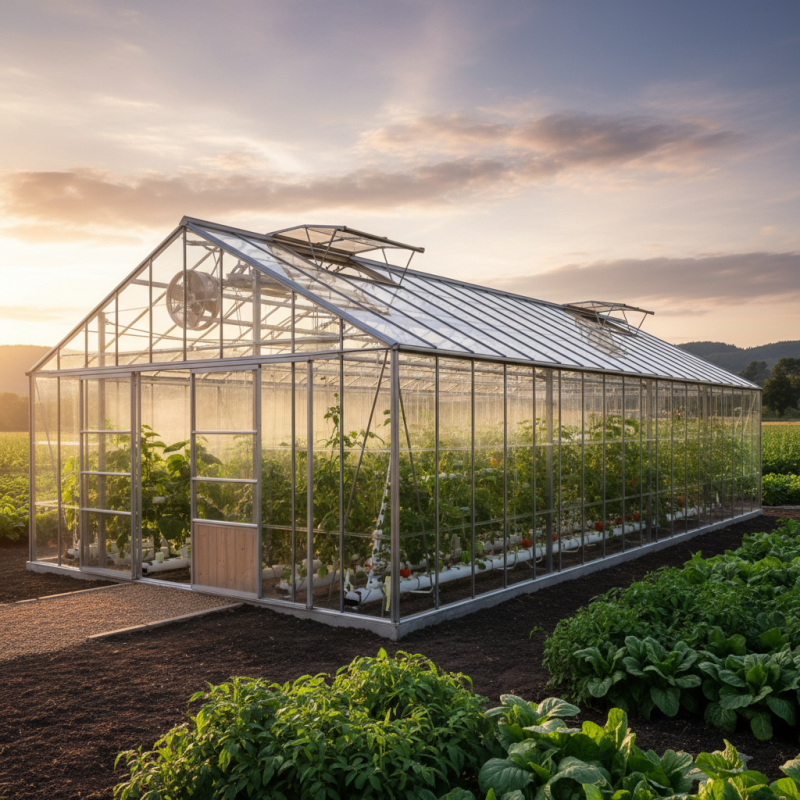
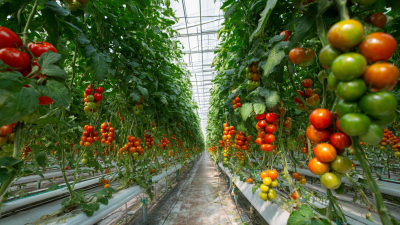
Building a Vegetable Greenhouse can significantly enhance crop production. It offers a controlled environment for plants, protecting them from harsh weather. This structure helps create ideal conditions for growth. However, many face challenges when designing it.
A well-planned greenhouse needs careful consideration of location. Sunlight exposure is crucial for vegetable growth. The right materials are also essential. Not every greenhouse design is effective for all regions. Mistakes can lead to poor yield, wasting time and resources.
Plant health depends on humidity, temperature, and air circulation. Keep these factors in mind when constructing your greenhouse. A successful vegetable greenhouse requires ongoing adjustments and learning. It's a journey filled with trials and errors. Each step taken teaches valuable lessons for better crop production.
Choosing the Right Location for Your Vegetable Greenhouse
Choosing the right location for your vegetable greenhouse is crucial to ensure optimal crop production. A sunny spot is often ideal, as most vegetables require at least six hours of direct sunlight daily. However, consider nearby trees or buildings that might cast shadows. That could reduce sunlight exposure, impacting your plants' growth.
Wind protection is another key factor. If possible, place your greenhouse near a natural windbreak, like a fence or a line of trees. This can reduce stress on young plants. However, too much protection can lead to stagnant air, which fosters pests and diseases. Monitoring airflow is important. Pay attention to your local climate as well.
You should also think about water access. Easy access to water sources helps maintain consistent moisture for your plants. Remind yourself, though, that overly wet conditions can lead to root rot. Gravel or sand in the soil can improve drainage, but that requires careful planning. Each of these elements can pose challenges, requiring ongoing reflection and adjustments for success.
How to Build a Vegetable Greenhouse for Optimal Crop Production? - Choosing the Right Location for Your Vegetable Greenhouse
| Location Criteria |
Importance Level (1-5) |
Description |
| Sunlight Exposure |
5 |
Ensure at least 6 hours of sunlight daily for optimal growth. |
| Wind Protection |
4 |
Locate near windbreaks to reduce damage and temperature fluctuations. |
| Accessibility |
4 |
Easy access for maintenance and harvesting is essential. |
| Drainage |
5 |
Good drainage is crucial to prevent waterlogging and root diseases. |
| Soil Quality |
5 |
Nutrient-rich soil supports robust plant growth. |
| Proximity to Water Source |
5 |
Close access to water reduces irrigation effort and costs. |
Selecting Suitable Greenhouse Materials for Optimal Growth
When selecting materials for your greenhouse, consider factors that directly influence plant growth. The choice of covering materials is crucial. Polycarbonate sheets offer excellent insulation while allowing light penetration. This dual benefit ensures a stable climate for your plants, reducing heat loss. On the other hand, polyethylene films are lightweight and cost-effective but may require frequent replacement.
Frame materials also play a significant role in the greenhouse's longevity. Aluminum frames resist corrosion and provide strength, yet their higher cost can be a hurdle. Wooden frames are more affordable but may need regular maintenance. This choice can affect not only durability but also how well your plants thrive inside.
It's essential to evaluate your local climate when choosing materials. A high humidity environment may require more ventilation options. It’s advisable to incorporate adjustable vents and fans. These features can improve airflow, but they might involve extra costs. Balancing quality, budget, and plant requirements leads to better outcomes, even if it means rethinking initial choices.
Designing Efficient Ventilation and Temperature Control Systems
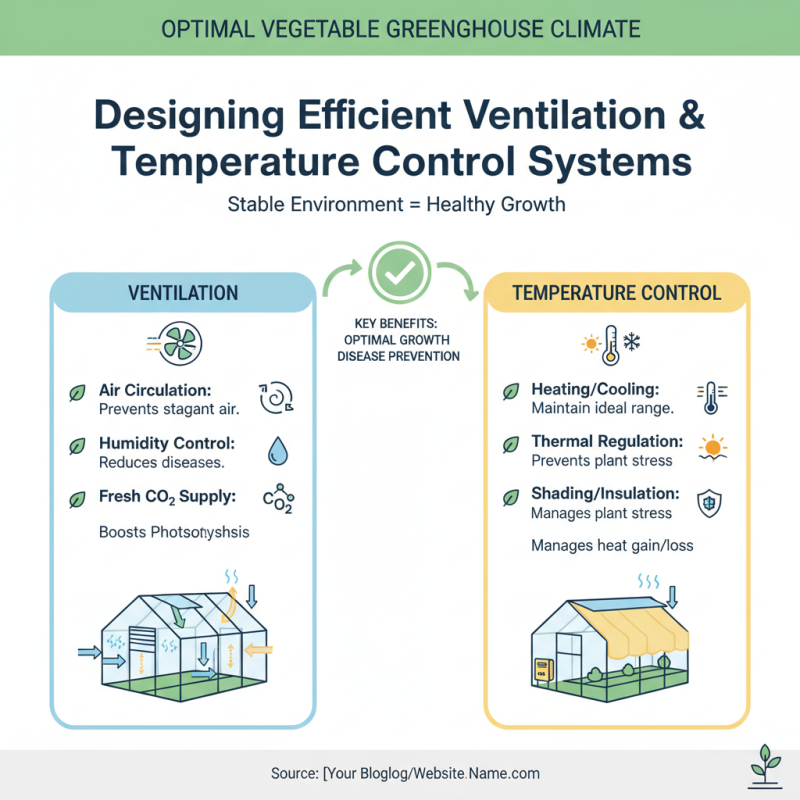
Proper ventilation and temperature control are crucial for a successful vegetable greenhouse. These systems help create a stable environment, promoting optimal growth. The right balance of air circulation and thermal regulation prevents plant stress and diseases.
When designing your ventilation system, consider passive and active methods. Passive ventilation relies on natural airflow. It can be achieved through strategically placed vents. Active systems involve fans and automated controls. This approach allows for precise temperature adjustments.
**Tips:** Monitor humidity levels regularly. High humidity can encourage mold growth. Additionally, use thermal screens to reduce heat during sunny days. These screens can help maintain a cooler interior temperature, which benefits crops sensitive to heat.
For temperature control, consider installing thermostats connected to fans. This creates a responsive system. However, keep in mind that over-automation can lead to system failures. Manual checks can ensure systems are functioning correctly. Regular maintenance of vents and fans is essential for reliability. Remember, small adjustments can make a big difference in your crop production.
Implementing Effective Watering and Irrigation Techniques
Watering and irrigation are crucial for greenhouse vegetable production. Industry data suggests that optimal irrigation can increase crop yields by up to 50%. To achieve this, growers should implement drip irrigation systems. These systems deliver water directly to the plant roots, minimizing waste. Reports indicate that drip irrigation reduces water usage by about 30% compared to traditional methods.
Controlling moisture levels is essential. Overwatering can lead to root rot and decreased plant health. Regularly monitoring soil moisture with sensors helps maintain the right balance. It's also important to adjust watering schedules based on climate changes. For example, hotter days may require more frequent watering.
Reflecting on practices, many growers underestimate the importance of timing in irrigation. Watering during the hottest part of the day can lead to significant evaporation losses. Instead, early morning or late afternoon are more effective. Additionally, using rainwater collection systems for irrigation can be a sustainable solution. Combining these techniques can lead to more efficient water use overall.
Planning for Crop Rotation and Sustainability in Your Greenhouse
Crop rotation is essential for maintaining soil health in a greenhouse. By rotating different vegetable families, you reduce pest buildup and soil nutrient depletion. For instance, following legumes with leafy greens can replenish nitrogen in the soil. This simple strategy enhances crop vigor.
Sustainability also involves planning for biodiversity. Mixing various crops together can improve resilience against diseases. However, it’s crucial to be mindful of companion planting. Some plants may hinder each other's growth. It requires trial and error to discover ideal pairings. Observation and adjustments will inform your future planting decisions.
Water management and nutrient cycling are other key components. Rainwater harvesting and composting can significantly reduce input costs. Yet, relying solely on these methods may not yield immediate results. It's essential to monitor plant health and adjust your techniques as needed. Flexibility and adaptability are vital in achieving a productive greenhouse.