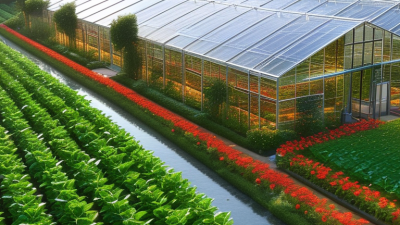
A Hydroponics Greenhouse can turn a small footprint into a steady source of fresh produce. Roots grow in a measured nutrient solution, while greenhouse walls and vents help manage light, temperature, and humidity. The appeal is practical: growers can monitor water and nutrients closely, harvest near their customers, and extend production beyond the outdoor season. But controlled conditions do not remove every risk. Pumps fail. Heat builds quickly. Skill matters.
Water efficiency is one reason this system attracts attention. The Food and Agriculture Organization reports that agriculture accounts for roughly 70% of global freshwater withdrawals. In a 2015 Arizona comparison published in the International Journal of Environmental Research and Public Health, Greg P. Barbosa and colleagues found hydroponic lettuce produced about 11 times more yield per growing area than conventional field production. They also reported a substantial energy trade-off. Barbosa’s team wrote, “The hydroponic system had 11 ± 1 times more yield per area, but used 82 ± 11 times more energy.” That matters. A greenhouse may save water and land, yet require electricity for pumps, cooling, and lighting. Results also depend on crop, climate, and operating choices. Not automatically cheaper.
Choosing a Hydroponics Greenhouse makes sense when reliable production, close monitoring, and efficient use of space are priorities. The strongest plans start with local utility costs, crop demand, and a realistic maintenance schedule. A thriving greenhouse is not just shiny pipes and green leaves. It is careful daily work.
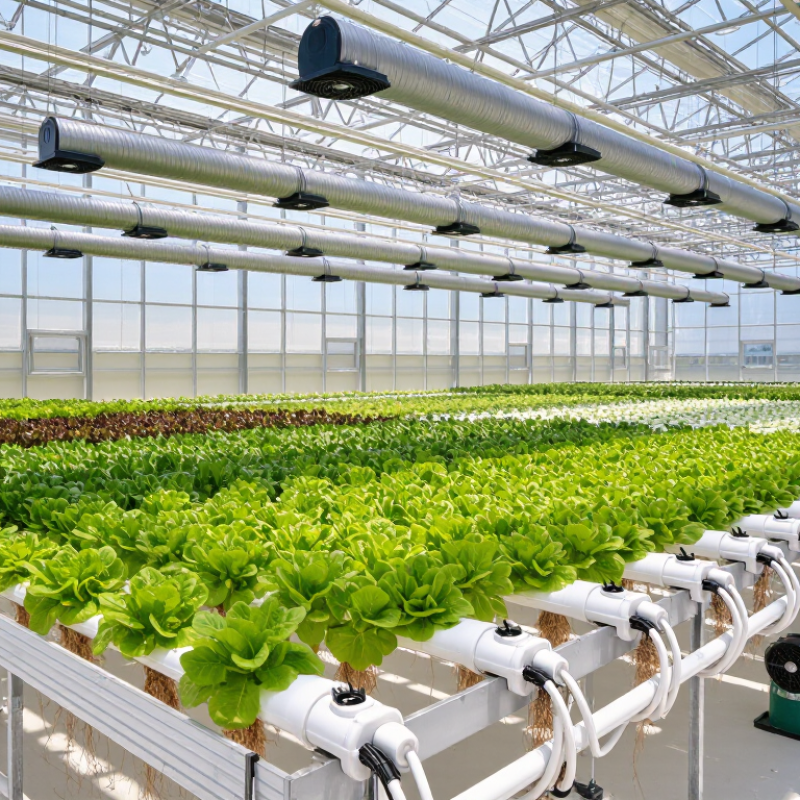
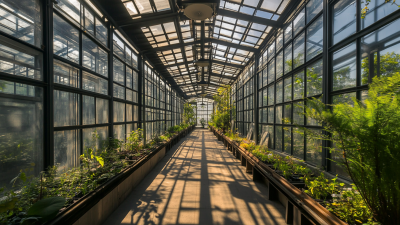
A hydroponic greenhouse grows plants without field soil, supplying roots with water and dissolved nutrients. Channels, slabs, or floating rafts support the crop. Pumps keep the solution moving. Climate control is equally important: sensors track temperature, humidity, and light, while fans, vents, and shade screens respond to changing conditions. Small changes matter. Warm, damp air can encourage disease, while overly dry air can slow water uptake. Operators still need to inspect roots, drains, and equipment by hand; automation cannot catch everything.
A 2015 University of Arizona study compared hydroponic and conventional lettuce production. The hydroponic system yielded 41 ± 6 kilograms per square meter, compared with 3.9 ± 0.2 kilograms for field production. Reported water use was 20 ± 3 liters per kilogram of lettuce, versus 250 ± 25 liters (Barbosa et al., “Comparison of Land, Water, and Energy Requirements of Lettuce Grown Using Hydroponic vs. Conventional Agricultural Methods,” International Journal of Environmental Research and Public Health, 2015). Those figures describe specific systems, not every greenhouse. Local heat, crop choice, and management can change the results. The numbers are promising, but they deserve careful context.
FAO’s AQUASTAT database estimates that agriculture accounts for about 70% of global freshwater withdrawals. Withdrawals are not the same as water consumed: some water returns to rivers or aquifers. Still, the figure highlights why careful irrigation matters. In a hydroponic greenhouse, growers can collect drainage and recirculate it instead of letting it run off. Less waste, when managed well.
A 2015 study in the International Journal of Environmental Research and Public Health compared lettuce production in Arizona. It reported about 20 liters of water per kilogram for hydroponics, versus roughly 250 liters for conventional field production. That result is useful, not universal. Crop choice, climate, leaks, and greenhouse cooling all affect actual savings. Hydroponics also uses energy. The trade-off deserves attention.
Tips: Check the water meter weekly, inspect pipe joints, and track how much nutrient solution returns to the tank. Record crop yield alongside water use; a low water bill alone can hide poor production.
A hydroponics greenhouse lets growers manage temperature, humidity, light, and nutrient delivery instead of relying on outdoor seasons. Lettuce can grow in shallow channels, while tomatoes climb strings above clean, circulating water. Roots stay close to the nutrients. That saves floor space and makes irrigation easier to monitor. The USDA National Agricultural Statistics Service reported $891 million in sales of hydroponically grown crops in its 2019 Census of Horticultural Specialties. This indicates a substantial commercial sector, though sales figures alone do not prove higher yields or profitability for every operation.
A greenhouse can keep production moving through cold months, but “year-round” is not automatic. Short winter days may require supplemental lighting, and heating or cooling can raise operating costs. A tightly managed system also needs regular checks: clogged emitters, drifting pH, or a pump failure can affect many plants quickly. That’s the trade-off. Growers can place channels on multiple levels where light and access allow, using vertical space that soil beds may not use as efficiently. Yet dense layouts need airflow and room for workers to inspect crops. Hydroponics can make production more predictable, but crop choice, local climate, and energy prices still shape the results.
| Crop | Common Hydroponic System | Typical Solution pH | Typical EC Range (mS/cm) | Approximate Time to First Harvest | Space-Efficiency and Year-Round Fit |
|---|---|---|---|---|---|
| Leaf lettuce | Nutrient film technique (NFT) or deep-water culture (DWC) | 5.5–6.5 | 1.2–1.8 | About 3–6 weeks after transplant, depending on cultivar and harvest size | Compact plants suit closely spaced channels or benches; staggered sowing supports regular harvests. |
| Basil | NFT, DWC, or drip-fed substrate | 5.5–6.5 | 1.0–1.6 | Often about 3–5 weeks after transplant for an initial cut | Vertical or bench-based layouts can use greenhouse floor area efficiently; repeated cutting may extend the harvest period. |
| Strawberry | Drip irrigation with inert substrate, such as coir | 5.5–6.5 | 1.0–1.8 | Typically several weeks to a few months after planting, depending on plant type and conditions | Raised gutters keep fruit off the ground and make use of vertical growing space; flowering and fruiting require suitable light and temperatures. |
| Tomato | Drip irrigation with substrate bags or slabs | 5.5–6.5 | 2.0–5.0 | Commonly about 7–10 weeks after transplant for first ripe fruit | Vining plants grow upward on trellises, using height rather than only floor space; a long crop cycle can provide an extended harvest. |
| Cucumber | Drip irrigation with substrate bags or slabs | 5.5–6.5 | 1.7–2.5 | Often about 5–8 weeks after transplant | Trellising directs vine growth vertically; greenhouse temperature and humidity management help maintain production across seasons. |
Note: pH, electrical conductivity (EC), and harvest timing are indicative ranges, not fixed targets. Requirements vary by cultivar, growth stage, water quality, climate, and production method. Greenhouses can extend the growing season, but year-round production may require supplemental heating, cooling, lighting, or ventilation.
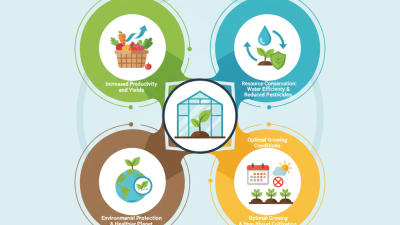
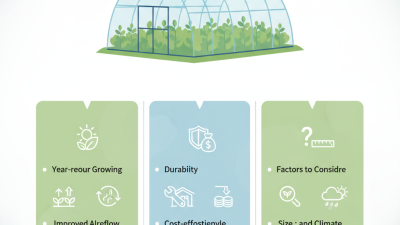
Why Choose a Hydroponics Greenhouse?
Choosing a System: Comparing NFT, Deep-Water Culture, and Substrate Growing
Choosing a hydroponic system means matching plant needs to your time, budget, and tolerance for failure. In nutrient film technique (NFT), a thin stream flows through channels past exposed roots. It suits leafy greens, but a blocked pump can leave roots dry quickly. Deep-water culture keeps roots submerged in aerated nutrient solution. It is straightforward to inspect, though warm water can lose oxygen and stress plants. Substrate systems use materials such as coco coir or perlite. They offer root support and buffer short watering interruptions, but runoff and moisture need close monitoring.
The choice affects more than convenience. A 2015 peer-reviewed study by Barbosa and colleagues in the International Journal of Environmental Research and Public Health compared hydroponic and conventional lettuce production. It reported higher annual yield per growing area and lower water use per kilogram for the hydroponic system studied. Those results are useful context, not a guarantee: climate, crop variety, and greenhouse controls change performance. NFT can be efficient for uniform crops; deep-water culture is forgiving to build; substrate growing often suits fruiting crops that need steady root support. There is no perfect system.
Tips: Check flow, root color, and solution temperature daily. Keep a spare pump. And record one week of water use before expanding; I have seen small leaks distort a whole trial.
These systems commonly use a nutrient-solution pH target of about 5.5–6.5. Actual needs can vary by crop and growing conditions. Choose a system based on how it delivers water and nutrients: NFT uses a thin flowing film, deep-water culture keeps roots in aerated solution, and substrate systems deliver solution to a solid growing medium.
A hydroponics greenhouse can use water efficiently, but its operating bill shifts rather than disappears. Pumps, fans, lighting, and winter heating may run for many hours each day. In a cold, cloudy region, heating can outweigh savings from reduced water use. Track energy use by season before estimating costs. Small errors matter.
Equipment costs include channels or beds, tanks, filters, sensors, and controls. A backup pump may seem optional until a failure interrupts nutrient flow. Sensors also need calibration; an inaccurate reading can quietly distort the whole system. Repairs and replacement parts add ongoing expenses. Not every upgrade pays back.
Labor changes, too. Workers spend less time watering individual plants, but they must monitor water chemistry, clean lines, and spot equipment problems. The work is more technical, not necessarily lighter. Crop choice affects the balance: leafy greens often suit compact systems, while fruiting crops may need more support, pruning, and pollination management. Dense foliage can also hold humidity, increasing disease pressure. I would not assume one crop’s results predict another’s. Test a small area first, record labor hours and energy use, and revise the plan when the numbers disagree with expectations.