

Top 10 Tips for Successful Aquaponics Greenhouse Gardening?
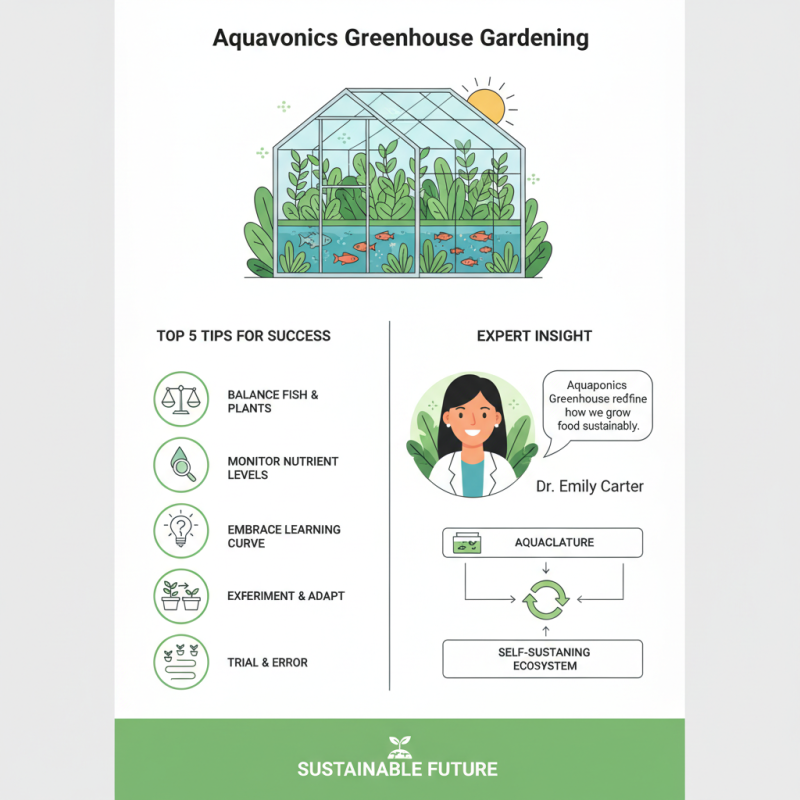
In the realm of sustainable gardening, the Aquaponics Greenhouse stands out as a revolutionary approach. Experts in this field, like Dr. Emily Carter, highlight its potential. She states, "Aquaponics Greenhouses redefine how we grow food sustainably." This modern technique combines aquaculture and hydroponics, creating a self-sustaining ecosystem.
Many gardeners may face challenges when starting their Aquaponics Greenhouse journey. Balancing fish and plant needs can be tricky. Nutrient levels must be monitored carefully. Over time, these complexities can lead to valuable lessons. Mistakes often become the best teachers. It's important to embrace unexpected results as part of the learning curve.
Transforming your garden into an Aquaponics Greenhouse requires patience and adaptability. Enthusiasts should experiment with different plant and fish combinations. What thrives for one may struggle for another. Success in this innovative gardening method involves trial and error. Each setback offers insight, shaping a more fruitful future.
Understanding Aquaponics: The Ecosystem of Fish and Plants
Aquaponics creates a unique ecosystem where fish and plants thrive together. In this system, fish waste provides nutrients for plants. As plants grow, they filter the water, keeping it clean for the fish. This natural cycle mimics a healthy pond environment.
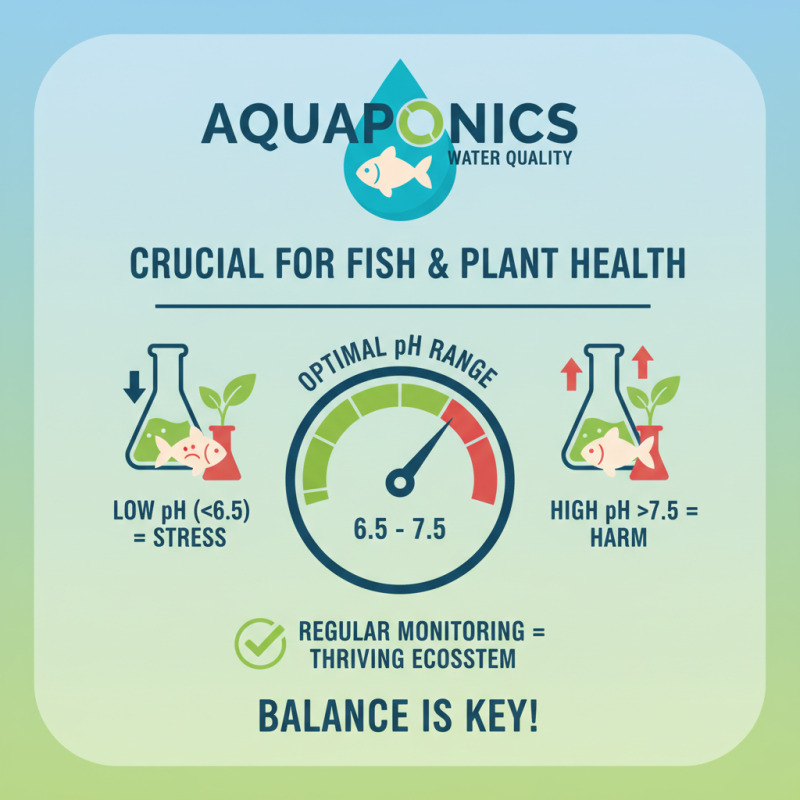
Setting up an aquaponics greenhouse requires careful planning. Choose fish that grow well in your climate. Plants like basil and lettuce often do well in these systems. Monitor water quality regularly, ensuring the right pH and ammonia levels. This can be tricky at times, and small mistakes can have significant consequences.
Pest management is another challenge. Natural solutions are best, but they take time. Sometimes, plants struggle to thrive, and pests invade. Observing and learning from these issues is essential. With patience, an aquaponics system can become a sustainable source of fresh food. Remember, every setback is an opportunity to improve your technique in this intricate gardening method.
Top 10 Tips for Successful Aquaponics Greenhouse Gardening
| Tip Number | Tip | Details |
|---|---|---|
| 1 | Start Small | Begin with a small system to learn the basics of aquaponics. |
| 2 | Choose the Right Fish | Select fish species that are suitable for your climate and system size. |
| 3 | Balance the Ecosystem | Maintain a proper balance between fish and plant populations. |
| 4 | Monitor Water Quality | Regularly test pH, ammonia, nitrates, and nitrites. |
| 5 | Optimize Plant Selection | Choose plants that grow well in aquaponic systems, such as lettuce and herbs. |
| 6 | Ensure Adequate Lighting | Provide sufficient light for plants to thrive, especially in a greenhouse. |
| 7 | Maintain Proper Temperature | Keep the greenhouse within optimal temperature ranges for fish and plants. |
| 8 | Regular Maintenance | Perform daily and weekly tasks to keep the system functioning efficiently. |
| 9 | Educate Yourself | Stay informed about aquaponics through books, courses, and online resources. |
| 10 | Network with Other Growers | Connect with local aquaponics communities for support and advice. |
Related Posts
-
8 Innovative Strategies for the Best Aquaponics Greenhouse Success
-
Unlocking the Advantages of the Best Aquaponics Greenhouse for Sustainable Farming Practices
-
Unlocking Sustainable Food Production with Aquaponics Greenhouse Systems for Urban Farming
-
Unlocking Quality Supply Chains for Your Best Gothic Greenhouse Needs
-
Leading the World in Aquaponics: Unveiling China's Best Export-Quality Systems
-
Revolutionize Your Gardening: The Essential Guide to Building Your Own Aquaponics System