Top Commercial Greenhouse Innovations for 2025 What You Need to Know
As we look ahead to 2025, the landscape of the Commercial Greenhouse industry is poised for transformative innovations that promise to redefine agricultural practices. Experts predict that advancements in technology, sustainability, and resource management will play pivotal roles in this evolution. According to Dr. Emily Hart, a leading researcher in greenhouse technology, "The future of Commercial Greenhouses lies in the integration of intelligent systems that not only enhance productivity but also promote environmental stewardship."
In this context, the demand for efficient, resilient, and environmentally-friendly greenhouse solutions has never been more pressing. With the ongoing challenges of climate change, scarcity of water, and increasing consumer demand for locally-sourced products, the innovations on the horizon are not merely enhancements but essential adaptations to ensure viability and competitiveness in the market. The exploration of vertical farming, automation, and advanced monitoring systems are just a few of the trends that will shape how we grow and harvest in the coming years.
This article will delve into the major innovations anticipated in the Commercial Greenhouse sector, highlighting key technologies, best practices, and insights from industry leaders. As we prepare for these developments, understanding their implications will be crucial for stakeholders seeking to navigate the future of agriculture successfully.
Emerging Technologies Transforming Commercial Greenhouses by 2025
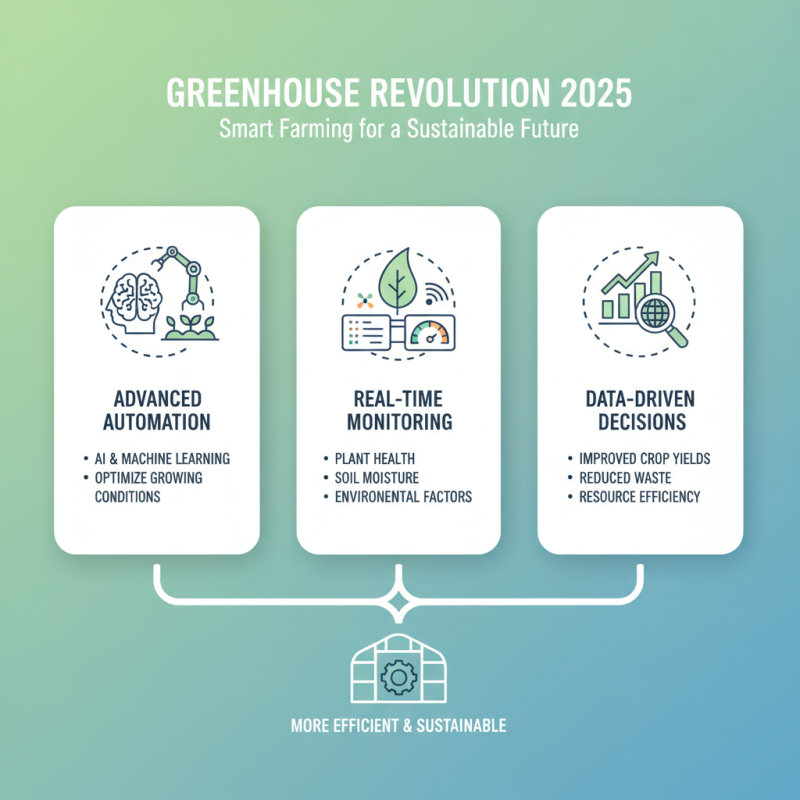
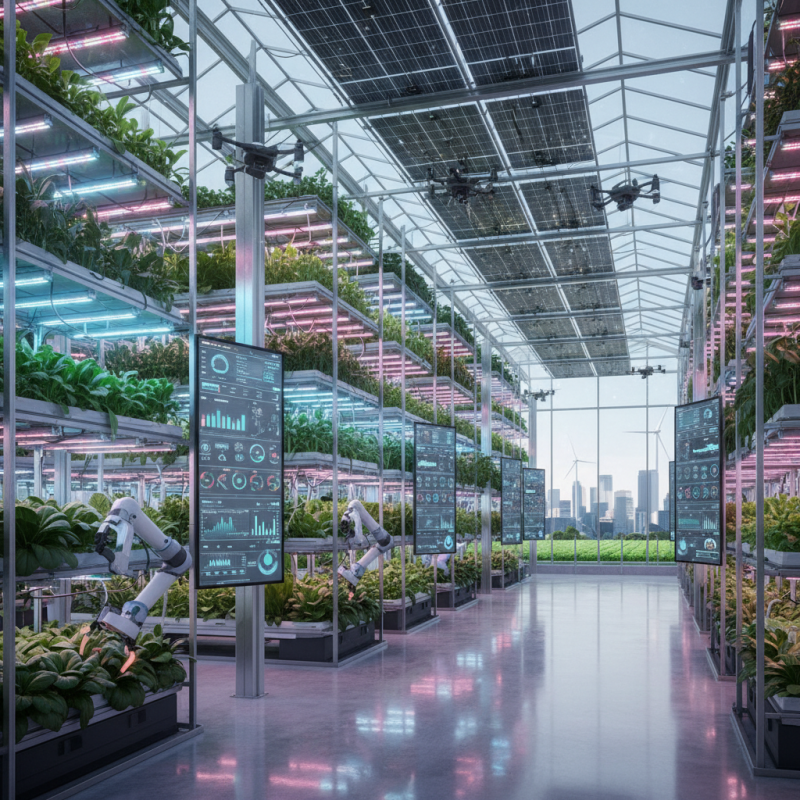
Emerging technologies are set to revolutionize the commercial greenhouse industry by 2025, enabling more efficient and sustainable farming practices. One of the most promising innovations is the integration of advanced automation systems, which utilize artificial intelligence and machine learning to optimize growing conditions. These systems can monitor plant health, soil moisture, and environmental factors in real-time, making adjustments automatically to enhance growth while minimizing resource use. As data analysis becomes more sophisticated, greenhouse operators can make informed decisions that lead to improved crop yields and reduced waste.
Another significant advancement is the adoption of vertical farming techniques coupled with smart irrigation systems. Vertical farms maximize the use of space, allowing for higher densities of crops in controlled environments. Innovative irrigation methods, such as hydroponics and aeroponics, reduce water consumption and eliminate the need for soil, further enhancing sustainability. Additionally, the application of renewable energy sources, including solar panels and wind turbines, to power these greenhouses not only decreases reliance on fossil fuels but also promotes eco-friendly practices within commercial agriculture. These emerging technologies collectively represent a transformative shift in how greenhouse operations function, paving the way for more efficient and environmentally responsible food production.
Advancements in Climate Control Systems for Improved Crop Yields
Advancements in climate control systems are poised to revolutionize commercial greenhouses, leading to significant improvements in crop yields by 2025. According to a report from the International Society for Horticultural Science, optimal climate conditions can increase yields by as much as 40%. Modern systems utilize advanced sensors and automation technologies to monitor environmental variables such as temperature, humidity, and light levels in real-time. These data-driven approaches allow growers to adjust internal conditions dynamically, ensuring that plants receive the ideal climate for growth throughout their lifecycle.
The integration of smart climate control systems not only enhances yield but also optimizes resource use. A study from the Agricultural Research Service indicates that intelligent climate management can reduce water consumption in greenhouses by 30% while maintaining productivity. Innovations such as thermal screens and energy-efficient heating systems minimize energy costs and improve overall sustainability. As these technologies gain traction, they promise to set new standards for efficiency in the horticultural industry, enabling growers to produce high-quality crops with reduced environmental impact.
Sustainable Practices: Reducing Energy Use in Greenhouse Operations
As the demand for sustainable food production increases, greenhouse operations are evolving towards more energy-efficient practices. According to a report by the International Society for Horticultural Science, commercial greenhouses are responsible for about 90% of the energy consumed in controlled-environment agriculture. Innovations aimed at reducing this energy use are critical. Techniques such as automated shading systems and advanced insulation materials have shown to reduce heating demands by up to 30%. Moreover, integrating renewable energy sources, such as solar panels, can significantly cut down operational costs and minimize carbon footprints.
Another promising approach is the implementation of precision climate control systems. Research from the American Society of Agricultural and Biological Engineers highlights that these systems can optimize environmental factors—including temperature, humidity, and light—resulting in energy savings of approximately 15-25%. Coupled with smart sensors and AI-driven analytics, greenhouses can create a more responsive and efficient environment for crop production. These innovations not only decrease energy consumption but also enhance plant health, leading to increased yields and better resource management for the future of agriculture.
Innovations in Hydroponics and Automated Growing Systems
The agricultural sector is witnessing a transformative shift with the advent of innovative hydroponics and automated growing systems. According to a report from Grand View Research, the hydroponics market size is expected to reach USD 16.0 billion by 2025, growing at a compound annual growth rate (CAGR) of 24.5%. This growth is largely driven by the increasing demand for sustainable and high-yield farming practices, enabling producers to cultivate crops efficiently in controlled environments without soil. Hydroponics not only conserves water but also uses nutrient solutions that can be precisely managed, leading to optimized plant growth and high-quality produce.
Automated growing systems are complementing hydroponic techniques by integrating advanced technologies such as AI and IoT into agricultural practices. According to Research and Markets, the global smart greenhouse market is projected to reach USD 2.25 billion by 2025, with a CAGR of 21.7%. These automated systems can regulate humidity, temperature, and light levels, ensuring optimal growing conditions with minimal human intervention. By implementing these innovations, commercial greenhouse operators can achieve higher productivity levels, reduce labor costs, and mitigate risks associated with climate variability. As we look to 2025, the combination of hydroponics and automation is set to redefine sustainable agriculture, driving the industry toward a more efficient and eco-friendly future.
Top Commercial Greenhouse Innovations for 2025
| Innovation |
Description |
Benefits |
Implementation Year |
| Hydroponic Systems |
Soilless cultivation methods that maximize space and resource efficiency. |
Higher yields, water conservation, and faster growth rates. |
2025 |
| Automated Growing Systems |
Integration of sensors and AI to monitor and adjust growing conditions in real time. |
Reduced labor costs, optimized growing conditions, and data-driven decisions. |
2025 |
| Vertical Farming Technology |
Multi-layered cultivation in controlled environments to enhance land use. |
Increased production capacity in urban areas and reduced transportation costs. |
2025 |
| LED Grow Lights |
Energy-efficient lighting systems that promote plant growth through tailored light spectrums. |
Lower energy costs and optimized photosynthesis. |
2025 |
| Climate Control Systems |
Automated systems for managing temperature, humidity, and ventilation. |
Consistent crop quality and resilience against climate fluctuations. |
2025 |
Smart Sensors and Data Analytics for Precision Agriculture in Greenhouses
The integration of smart sensors and data analytics is revolutionizing the landscape of precision agriculture within commercial greenhouses. As the demand for sustainable food production escalates, the reliance on advanced technologies has become crucial. According to a recent report by MarketsandMarkets, the smart agriculture market is projected to reach USD 22 billion by 2025, driven significantly by innovations in sensor and data analytics technologies. These advancements enable real-time monitoring of environmental conditions, helping farmers optimize plant growth conditions and resource use.
Smart sensors, such as soil moisture sensors and climate control devices, are pivotal in collecting data that can inform decision-making processes. By employing Internet of Things (IoT) technology, these sensors allow for the continuous gathering of information on variables like temperature, humidity, and light levels. A study by the American Society of Agricultural and Biological Engineers highlights that using data analytics tools in greenhouses can enhance productivity by 15-20%. This precision approach not only increases yield but also minimizes resource waste, aligning with sustainable agriculture goals.
Furthermore, data analytics platforms facilitate predictive modeling, which assists greenhouse operators in anticipating plant growth patterns and optimizing inputs based on real-time insights. Research indicates that implementing data-driven strategies can result in cost savings of up to 30% through better resource management. As these technologies continue to evolve, they will play an essential role in shaping the future of greenhouse farming, ensuring that agricultural practices can meet the needs of a growing population while minimizing environmental impact.
Top Commercial Greenhouse Innovations for 2025
This chart illustrates the expected adoption rates of various innovative technologies in commercial greenhouses by 2025. The data indicates a growing trend towards smart sensors, data analytics, and automated systems for enhanced precision agriculture.