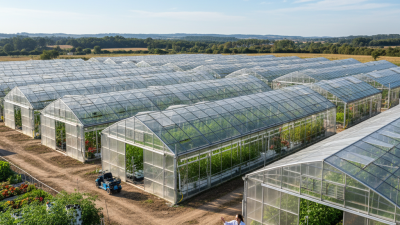
Top 10 Benefits of Single Span Greenhouses for Growers?
In the world of agricultural innovation, the Single Span Greenhouse is gaining significant attention. Dr. Emma Johnson, a prominent horticultural scientist, emphasizes, “Single Span Greenhouses empower growers by enhancing crop production and reducing costs.” This statement highlights the increasing reliance on such structures among modern farmers.
Single Span Greenhouses offer a range of benefits that can transform cultivation practices. These structures are designed for efficiency. The streamlined design allows for better air circulation and even lighting, crucial factors for healthy plant growth. For many growers, simplicity is key. This greenhouse model often requires less upfront investment and provides a user-friendly setup.
Despite these advantages, some growers still hesitate. Concerns about scalability and versatility linger. However, the long-term benefits often outweigh the initial doubts. The Single Span Greenhouse is not just a trend; it's a strategic choice for forward-thinking growers seeking reliable and productive farming solutions.
Benefits of Enhanced Light Distribution in Single Span Greenhouses
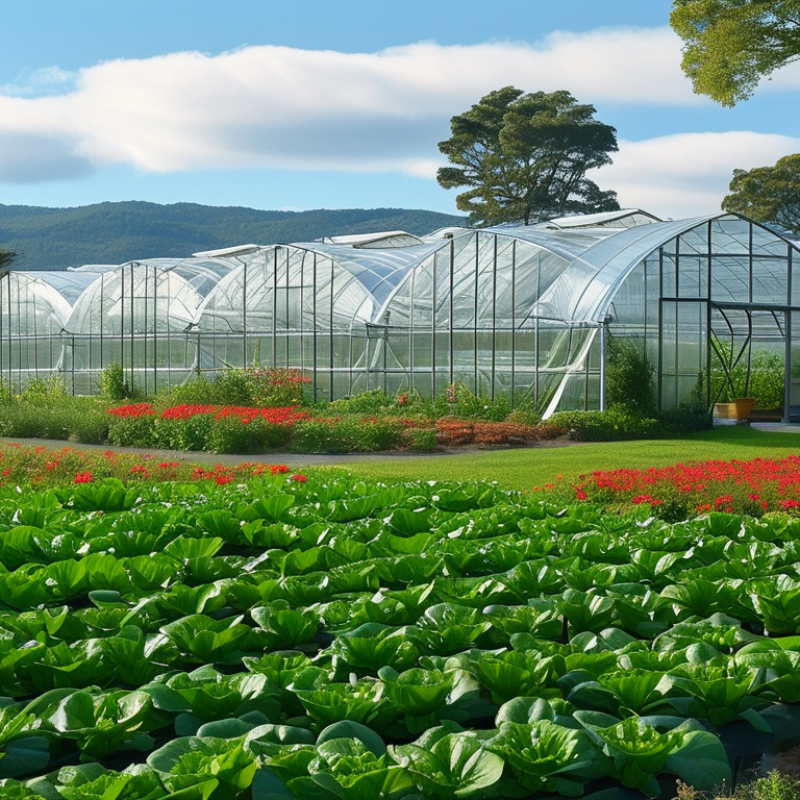
Single span greenhouses offer significant advantages in light distribution for growers. Enhanced light penetration is one of the standout benefits. According to a study from the Horticultural Technology Association, these structures can improve light availability by up to 30%. This boost can lead to healthier plants and increased yields, making it a crucial aspect for growers.
The design of single span greenhouses minimizes shading caused by structural elements. This maximizes the exposure to natural sunlight. With more even light distribution, plants can photosynthesize efficiently. A report from the International Society for Horticultural Science emphasizes that plants receive uniform light, which promotes balanced growth. This is vital during early growth phases when seedlings are particularly sensitive to light variations.
However, it’s important to consider the limitations of single span greenhouses. For instance, varying external weather conditions can affect light levels, leading to inconsistent growth. Growers need to monitor environmental factors closely. Proper management practices must be adopted to mitigate these challenges and leverage the full benefits of enhanced light distribution.
Improved Ventilation and Airflow Management for Optimal Plant Growth
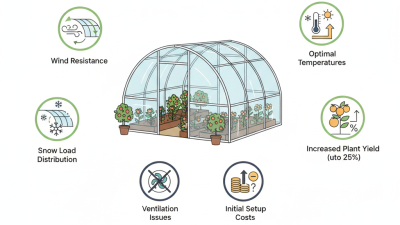
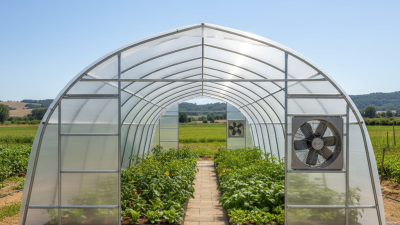
Single span greenhouses significantly enhance ventilation and airflow, crucial for plant health. With their streamlined design, they allow for better air circulation throughout the growing space. This optimal airflow helps to prevent heat buildup, reducing the risks of plant stress. Humidity is also managed effectively, lowering the chances of mold and diseases.
Natural ventilation is often improved by using roof vents and side openings. This reliance on passive systems can be more sustainable, but it requires careful planning. Growers sometimes overlook the need for adjustable openings based on the weather. Temperature variations can be tricky, demanding real-time adjustments. Yet, these proactive measures can lead to healthier plants and better yields.
When growers choose single span greenhouses, they invest in breathable environments. They optimize conditions for photosynthesis, critical for plant growth. However, balancing airflow with humidity levels can be challenging. There’s always room to improve practices and technology for better results. Ignoring small details in ventilation design may lead to unforeseen problems.
Cost-Effective Construction and Maintenance of Single Span Greenhouses
Single span greenhouses provide an efficient and cost-effective solution for growers. They are relatively easy to construct, which reduces initial expenses. The materials required are often lighter and less expensive than those needed for multi-span structures. This simplicity in design means that less labor is needed for assembly, further cutting down costs. Many growers notice significant savings in both installation and maintenance.
Another advantage is the low maintenance these greenhouses require. The design allows for better airflow and light penetration. This can result in healthier plants and higher yields. However, growers must be vigilant about ventilation and temperature control. Sometimes, the single span design can lead to uneven heating, especially in colder months. Growers should invest time in monitoring environmental conditions. Regular checks can help ensure optimal growth conditions despite potential challenges.
The strength of single span greenhouses lies in their adaptability. They can fit well in various locations and landscapes. Yet, the simple design may not be ideal for all crops. Some growers find they need to adapt their methods depending on specific plant requirements. This can lead to a learning curve. Adapting techniques is essential for maximizing the greenhouse's potential. Balancing cost savings with crop needs can be tricky, but growers often find it worth the effort.
Flexibility in Crop Production and Growing Techniques for Growers
Single span greenhouses offer a unique opportunity for growers to maximize their crop production. The design allows for a range of growing techniques tailored to specific plants. With open space and ample sunlight, growers can experiment with various crops without restrictions. Their simplicity enables easy adjustments as needs change. This flexibility lets farmers adapt quickly to market demands.
Additionally, managing different plant species side by side becomes straightforward in single span setups. Growers can implement rotational cropping systems or companion planting. These strategies not only improve yield but also enhance soil health. However, managing diverse crops can pose challenges. Some plants may compete for resources, leading to inconsistent results if not monitored closely.
Innovative growing techniques can be explored within these structures. Hydroponics and aeroponics thrive in single span greenhouses. These methods reduce water usage and increase growth rates. Still, the need for diligent management remains. Without careful attention, plants may suffer from nutrient deficiencies. Ultimately, balancing flexibility with careful planning is crucial for success in single span greenhouses.
Top 10 Benefits of Single Span Greenhouses for Growers
| Benefit |
Description |
Impact on Growers |
| Cost-Effective |
Single span greenhouses are generally less expensive to build and maintain. |
Lower initial investment allows for more budget allocation to other resources. |
| Flexibility in Design |
These structures can be customized in size and shape to meet specific needs. |
Enables growers to optimize space according to their crop types. |
| Improved Air Circulation |
The design promotes better airflow, reducing humidity and disease risks. |
Higher plant health can lead to better yields. |
| Ease of Management |
Simpler structures make for easier cultivation and management practices. |
Reduces labor costs and time spent on maintenance. |
| Enhanced Light Penetration |
Single span designs allow for maximum sunlight exposure to plants. |
Promotes healthy growth and improves photosynthesis. |
| Temperature Control |
Better control over internal temperatures with proper ventilation options. |
Helps in growing crops out of season and improves overall quality. |
| Durability |
Robust construction withstands harsh weather conditions. |
Longer lifespan reduces replacement and rebuilding costs. |
| Pest Control |
Provides a barrier to pests while allowing beneficial insects to thrive. |
Reduces the need for pesticides and promotes organic farming practices. |
| Versatility in Growing Techniques |
Allows for the implementation of various cultivation methods. |
Growers can experiment with hydroponics, aquaponics, etc. |
| Sustainability |
Can be designed with eco-friendly materials and systems. |
Supports sustainable farming by reducing carbon footprint. |
Reduced Pest and Disease Pressure in Controlled Environments
Single span greenhouses offer growers a unique advantage in managing pest and disease pressure. The controlled environment these structures provide limits exposure to harmful pests. Without the usual outdoor threats, plants become healthier and more resilient. This is especially crucial during the early growth stages when plants are most vulnerable.
Isolation in single span structures helps in reducing disease transfer. High humidity and poor airflow common in traditional setups create ripe conditions for pathogens. By contrast, single span greenhouses allow for better air circulation. This leads to drier conditions, where diseases struggle to thrive. Less humidity means less chance of fungal issues. However, growers must still monitor humidity levels closely to prevent other issues from arising.
Investing in these greenhouses can lead to fewer pesticide applications. Growers may find themselves relying less on chemical treatments. This not only fosters a healthier crop but also encourages a more sustainable approach to agriculture. However, it's essential to regularly inspect the plants, as complacency can lead to pest outbreaks. Monitoring and proactive engagement are vital in maintaining a healthy environment.