How to Start an Agriculture Greenhouse for Maximum Yield?
Starting an Agricultura Greenhouse can significantly boost yields for farmers. According to a report by the Food and Agriculture Organization (FAO), greenhouse farming can increase productivity by up to 200%. This method allows for year-round cultivation and reduces dependency on climatic variations. Yet, not every attempt at establishing a greenhouse succeeds.
Dr. Emily Johnson, an expert in sustainable agriculture, emphasizes, “The key to maximizing yield is understanding your specific environmental conditions.” Her insights highlight the need for adaptation to local climates and soil types, which many novice growers overlook. Proper planning involves selecting the right crops, investing in quality seeds, and implementing effective pest management strategies.
Despite evident benefits, challenges persist. Issues such as high initial costs and technical expertise can deter many from pursuing this path. Successful greenhouse operations require continuous learning and adjustment. Therefore, reflecting on these aspects can prepare new growers for a fruitful journey in the Agricultura Greenhouse industry.

Selecting the Right Location for Your Agriculture Greenhouse
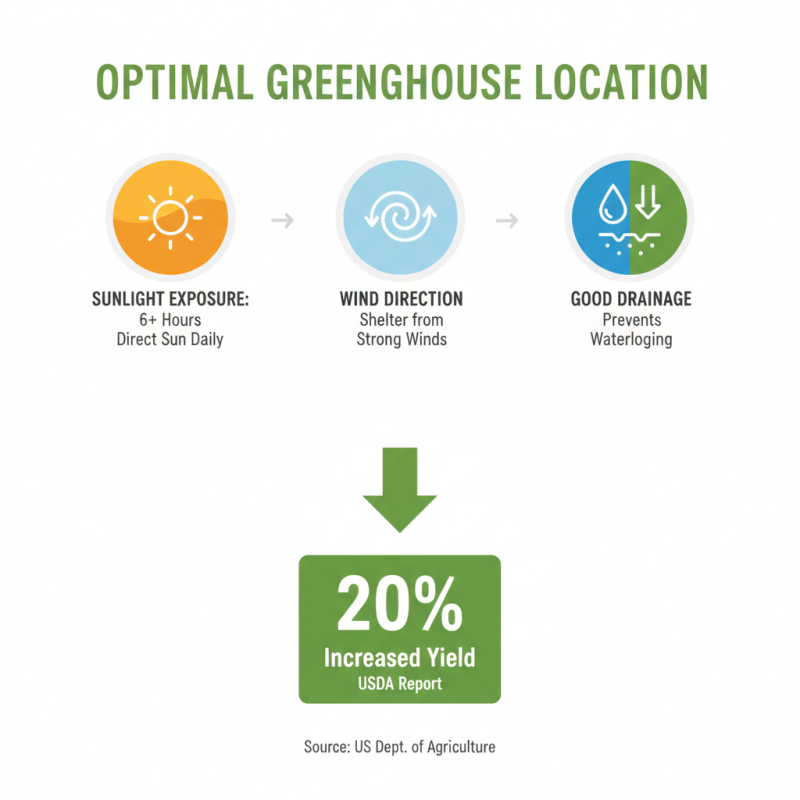
Selecting the right location for your agriculture greenhouse is crucial. A well-chosen site can significantly enhance yield. According to a report by the U.S. Department of Agriculture, proper location can increase productivity by 20%. Evaluate factors like sunlight exposure, wind direction, and drainage. Ideally, choose a site with at least six hours of direct sunlight daily.
Soil quality matters too. Even though a greenhouse provides controlled conditions, the surrounding soil affects the temperature and humidity. Soil with good drainage reduces the risk of waterlogging, a common issue in greenhouse setups. A study indicated that over 30% of greenhouse failures stem from inadequate site selection.
Consider access to resources as well. Water is essential for any greenhouse. Ensure a reliable water source is nearby. Transporting water long distances can be inefficient. Proximity to markets is also a factor. The closer you are, the fresher your produce. Yet, landing a site near urban areas may increase land costs. Balance these considerations carefully. It's a complex decision.
Choosing the Appropriate Greenhouse Structure and Materials
Choosing the right greenhouse structure and materials is vital for success in agriculture. Different types of structures serve various purposes. For example, a hoop house is simple and cost-effective. It’s excellent for quick crop turnover. However, it may not be durable in harsh climates.
When selecting materials, consider the greenhouse covering. Polyethylene is popular, but it can degrade over time. Glass provides longevity but is more expensive. A balance between cost and durability is key. Remember, ventilation is crucial. Without proper airflow, plants can suffer. A well-ventilated structure helps regulate temperature.
Reflect on your climate and crop types. Some structures work best in specific regions. Local weather conditions should influence your decisions. Consider future growth; will your greenhouse adapt? Sometimes, initial choices lead to unexpected challenges. It's essential to remain flexible and open to adjustments as you gain experience.
How to Start an Agriculture Greenhouse for Maximum Yield?
| Dimension |
Value |
| Greenhouse Size (sq ft) |
500-1000 |
| Material Type |
Polycarbonate |
| Temperature Control Method |
Heating System and Ventilation Fans |
| Watering Method |
Drip Irrigation |
| Types of Crops |
Tomatoes, Peppers, Cucumbers |
| Estimated Yield (lbs/sq ft) |
3-5 |
| Cost of Setup ($) |
5000-15000 |
Optimizing Environmental Control Systems for Crop Growth
Optimizing environmental control systems is crucial for maximizing crop growth in greenhouses. Temperature, humidity, and light levels directly influence plant health and yield. Research indicates that maintaining optimal temperatures between 70-80°F can boost growth rates by 20-30%. However, achieving this balance can be challenging. In many cases, temperature fluctuations remain unaddressed, leading to reduced output.
Tip: Invest in automated climate control systems. They allow for precise adjustments, ensuring consistent conditions for plants. Automation can reduce human error and improve overall efficiency.
Humidity levels also play a significant role. Studies show that ideal humidity is around 50-70% for most crops. High humidity may encourage disease, while low levels can stunt growth. Many growers overlook the importance of ventilation. Effective airflow helps regulate humidity and temperature. Ignoring this aspect can lead to poor crop health, as stagnant air allows mold and pests to thrive.
Tip: Regularly monitor humidity with calibrated sensors. Adjust your watering schedule based on daily readings. This approach can prevent overwatering and improve plant vitality.
Balancing these elements is crucial. Many beginner growers face difficulties maintaining optimal conditions. Frequent adjustments and observations are needed. Each crop has unique requirements, and failures can be costly. Investing time in understanding these needs is vital.
Crop Yield Comparison in Different Controlled Environments
Implementing Effective Irrigation and Fertilization Techniques
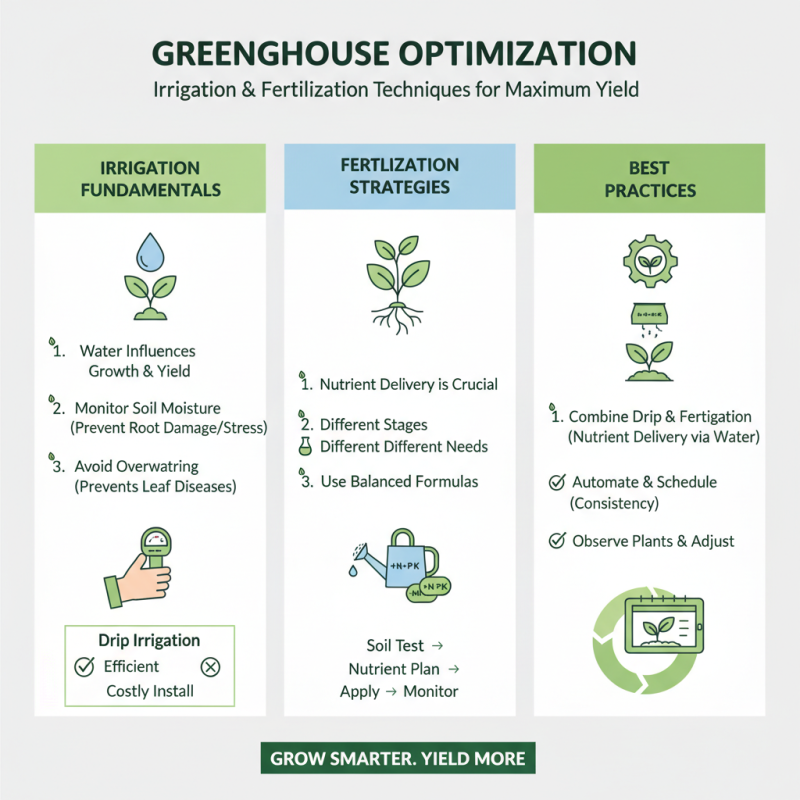
Effective irrigation and fertilization techniques are essential for a productive greenhouse. Watering plants properly influences their growth and overall yield. Many growers struggle with the right irrigation method. Drip irrigation is efficient but can be costly to install. Overhead watering can lead to leaf diseases. It’s important to monitor soil moisture regularly. Too much water can harm roots, while too little can stress plants.
Fertilization also requires a balanced approach. Too much fertilizer can burn plants and lead to waste. Organic options are safe but take longer to show results. Many growers use synthetic fertilizers for quick effects, but they can negatively affect soil health over time. It's vital to test soil regularly to adjust nutrient levels accurately. The balance of nitrogen, phosphorus, and potassium is crucial. Finding the right ratios can be a trial-and-error process.
Most importantly, be prepared to adapt. Every greenhouse environment is unique. What works one season may not in another. Regularly observing plant responses increases your understanding. Don't hesitate to change your methods based on what you learn. Reflection on past mistakes can guide future decisions. Effective techniques evolve through experimentation and observation.
Maximizing Crop Selection for Higher Yields in Your Greenhouse
Choosing the right crops for your greenhouse can significantly boost yields.
Consider climate and space. Certain plants thrive in specific conditions. For instance, tomatoes and peppers love warmth. Herbs like basil do well in moderately warm environments.
Tips: Rotate your crops. This keeps the soil nutrient-rich and prevents pest build-up. Try to add a variety of plants. This can reduce the risk of total crop failure. Don't hesitate to experiment. Failures can lead to new insights.
Focus on high-demand crops as well.
Research local markets. Find out what people want. Leafy greens are often popular and quick to harvest. They can keep the greenhouse bustling throughout the year.
Tips: Evaluate your crop yields regularly. Notice what works and what doesn’t. Be flexible with your choices. Weather changes may affect your plans. Adaptability is key for a successful greenhouse.