How to Start Hydroponics at Home for Beginners?
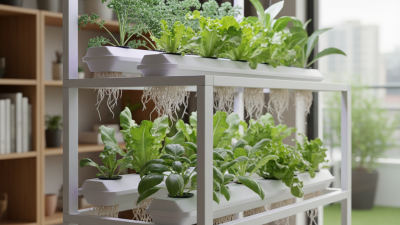
Hydroponics offers a sustainable way to grow plants without soil. It has gained popularity among home growers. According to Dr. John McGowan, a hydroponics expert, "Hydroponics opens the door to fresh food anywhere." This method allows for growth in small spaces, making it ideal for apartments or limited yards.
Beginners may feel overwhelmed by the technical details of hydroponics. There are various systems to choose from, like deep water culture or nutrient film technique. Understanding the basics can be challenging. One might wonder, what equipment is necessary? How do I maintain the water pH? These questions are part of the learning curve.
Despite its advantages, hydroponics isn’t without its flaws. Newbies may face issues like algae growth or nutrient imbalance. It requires careful monitoring and adjustment. The journey of starting hydroponics can be rewarding, but it often involves trial and error. Embracing the process is key to becoming successful.
Understanding Hydroponics: A Beginner's Guide
Hydroponics is a soilless method of growing plants. It allows you to cultivate herbs, vegetables, and flowers indoors. This method uses nutrient-rich water instead of soil. Beginners may find it tricky, but it's quite rewarding.
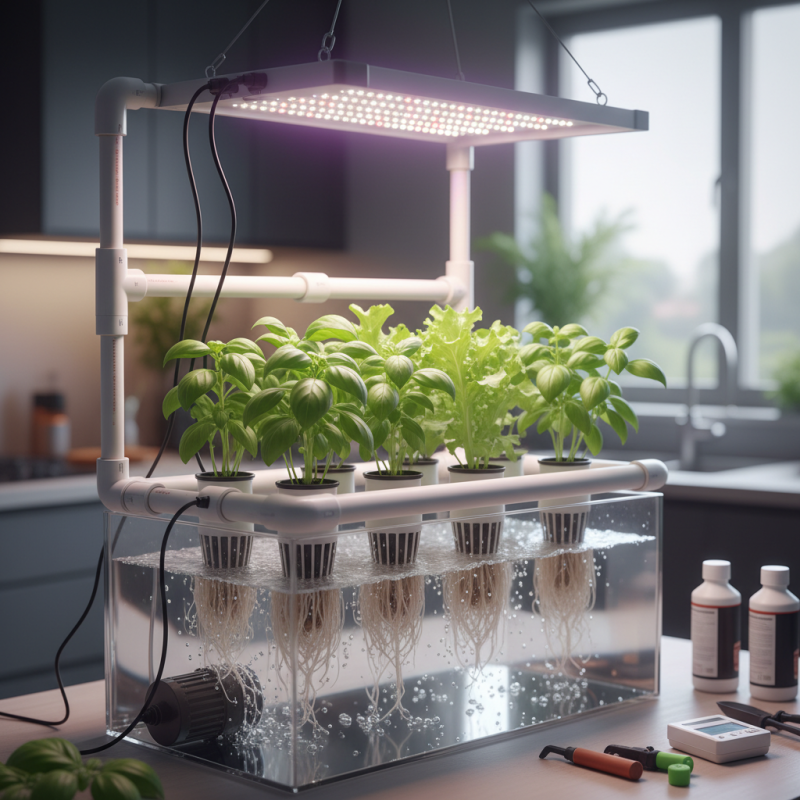
To start, you'll need a few basics. Gather a container for your plants, a light source, and nutrient solutions. Seeds or seedlings can be placed in growing mediums like coconut coir or clay pebbles. The key is to maintain the right pH level. This can be confusing at first, but testing kits are helpful.
Mistakes are part of the process. You might overwater or underfeed your plants initially. Some may wilt or grow slowly. Monitor their progress closely. Adjust nutrient levels as necessary. Experimentation leads to learning. Remember, hydroponics requires patience, but the results can be delightful.
How to Start Hydroponics at Home for Beginners? - Understanding Hydroponics: A Beginner's Guide
| Component |
Description |
Example Plants |
Nutrient Solution |
| Deep Water Culture |
Plants are suspended in a nutrient-rich solution with their roots submerged. |
Lettuce, Basil, Mint |
Mix of water and hydroponic fertilizer |
| Nutrient Film Technique |
A thin film of nutrient solution flows over the roots of plants. |
Strawberries, Tomatoes |
Nutrient solution on a continuous cycle |
| Aeroponics |
Plants are suspended in the air and roots are misted with nutrient solution. |
Cucumbers, Peppers |
Fine mist of nutrient solution |
| Wick System |
Nutrient solution is drawn up to the plants through a wick. |
Herbs, Spinach |
Water mixed with electrolytes |
| Ebb and Flow (Flood and Drain) |
The grow bed is flooded with nutrient solution and then drained back into the reservoir. |
Bok Choy, Herbs |
Balanced nutrient formula |
Choosing the Right Hydroponic System for Your Needs
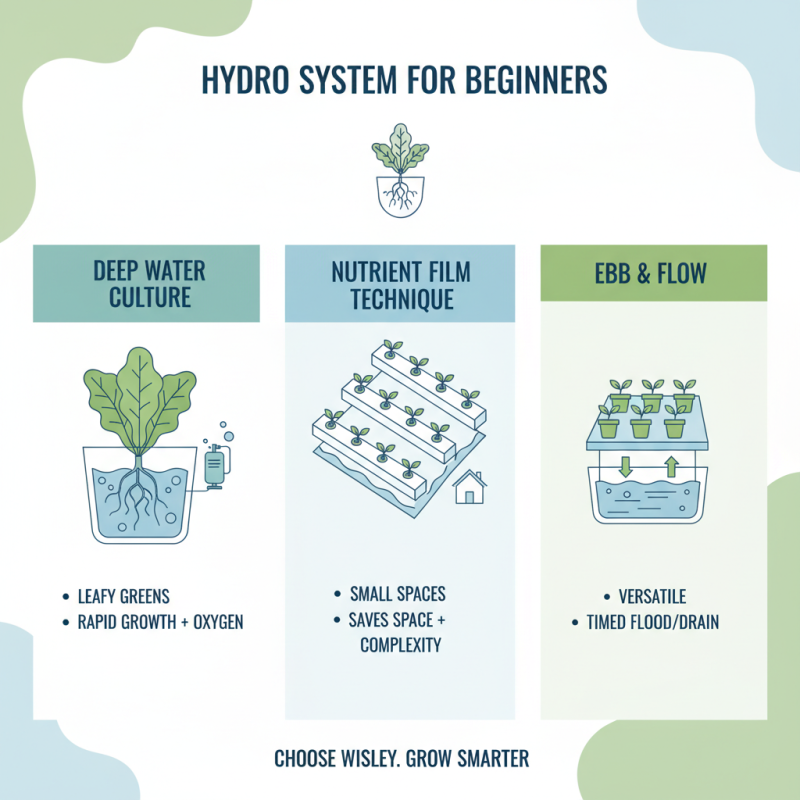
Choosing the right hydroponic system is crucial for beginners. Various systems exist, like Deep Water Culture, Nutrient Film Technique, and Ebb and Flow. Each offers unique benefits. Deep Water Culture is ideal for leafy greens. It allows quick growth, but you need sufficient oxygenation. Nutrient Film Technique can be more complex but saves space, making it great for small homes.
Data shows that hydroponic yields can be 20-30% higher than soil-based growing. However, beginners may struggle with nutrient balancing. A small mistake can lead to plant stress or poor growth. Monitoring plant health frequently is vital. It helps in adjusting nutrient levels accordingly.
Ebb and Flow systems can be practical but require more maintenance. This can overwhelm new growers. Many reports indicate that user experience greatly affects success rates. Therefore, starting small is wise. Begin with simpler systems before diving into complex setups. A gradual approach promotes learning while minimizing frustration.
Essential Equipment and Supplies for Home Hydroponics
Starting hydroponics at home can be exciting and rewarding. To get started, you'll need some essential equipment and supplies. A basic hydroponic system is crucial. You can choose systems like deep water culture or nutrient film technique, depending on your space.
Growing trays or containers will hold your plants and growing medium.
You'll also need a suitable light source if sunlight is limited.
LED grow lights are popular due to their efficiency. Ensure you provide proper ventilation to prevent mold and remain aware of the humidity levels. Some inexperienced growers overlook this, leading to issues later on.
Water quality matters. Consider a pH test kit to monitor your nutrient solution. Nutrient solutions are also vital for healthy plant growth. Look for balanced nutrients specifically formulated for hydroponics.
Tips: Start small. Don't overwhelm yourself with a complex setup on the first try. Monitor your plants regularly. Watch for
yellowing leaves or
stunted growth. These signs can help you adjust your nutrient levels and improve plant health. Testing your system often can save you time and effort in the long run.
Selecting the Best Plants for Hydroponic Growth
Selecting the best plants for hydroponic growth can be a rewarding but challenging task. Many beginners often choose easy-to-grow varieties. Leafy greens like lettuce and spinach are popular options. They thrive in nutrient-rich water and grow quickly. According to the USDA, hydroponically grown lettuce can yield up to 10 times more than that grown in soil.
Herbs are another excellent choice. Basil, mint, and cilantro are all well-suited for hydroponic systems. They require minimal space and can flourish indoors. In a recent report by the National Gardening Association, herb gardening has seen a significant rise, indicating increased consumer interest.
Fruit-bearing plants such as tomatoes and strawberries can also be grown hydroponically. However, they demand more attention to lighting and nutrient management. Beginning growers often overlook these needs, leading to subpar results. It's essential to research specific plant requirements. Diversifying your plant choices can help create a thriving hydroponic garden, but it may require some trial and error to find what works best for you.
Maintaining Your Hydroponic System for Optimal Results
Maintaining your hydroponic system is crucial for success. Regular monitoring of pH levels ensures your plants can absorb nutrients effectively. Ideal pH ranges from 5.5 to 6.5. Check it weekly. If it's off, nutrients won't be properly available to your plants.
Explore various nutrient solutions, but don’t expect perfection. Different plants have different needs. Some might thrive while others struggle. Experimentation is part of the process. Don't hesitate to adjust your nutrient mix. Start with half the recommended dosage. Observe how plants respond.
Temperature and humidity also play key roles. Aim for temperatures between 68°F and 75°F. Remember to ventilate your space. Stagnant air can cause mold issues. Use fans or open windows, but watch for drafts.
Tips: Always clean your system regularly. Debris can lead to blockages. A simple rinse can prevent headaches later. Monitor plant health closely. Yellow leaves may indicate nutrient deficiencies. Address these issues quickly for better results.
Hydroponic System Nutrient Levels
This bar chart illustrates the optimal nutrient levels for different hydroponic systems, which ensures healthy plant growth. The values are based on common recommendations for beginners.