What is a Single Span Greenhouse and Its Benefits for Growers?
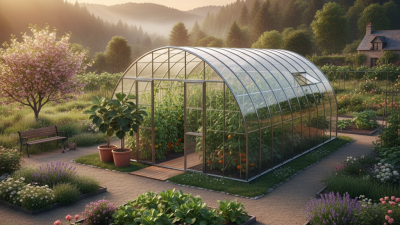
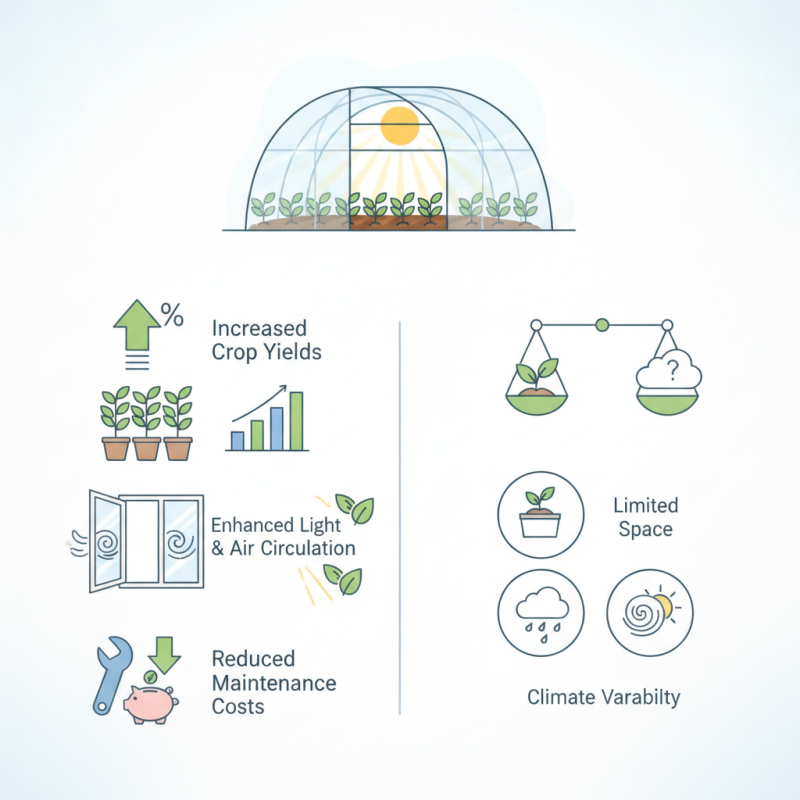
The Single Span Greenhouse has been gaining attention in the horticulture sector. This structure offers a simple design that enhances light penetration and air circulation. According to a report by the International Society for Horticultural Science, greenhouses can increase crop yields by up to 30%. This is significant for growers seeking efficiency in production.
Dr. Emily Carter, a greenhouse technology expert, emphasizes this point: “Single Span Greenhouses are favorable for both small-scale and commercial growers.” Their design reduces maintenance costs while creating a favorable environment for plant growth. With advancements in materials and technology, the appeal of Single Span Greenhouses is undeniable.
However, these structures are not without challenges. Limited space may hinder large-scale operations. Additionally, variability in climate can affect performance. Growers must weigh the benefits against these potential drawbacks. Understanding the balance can lead to more informed decisions in greenhouse farming.
Definition and Structure of a Single Span Greenhouse
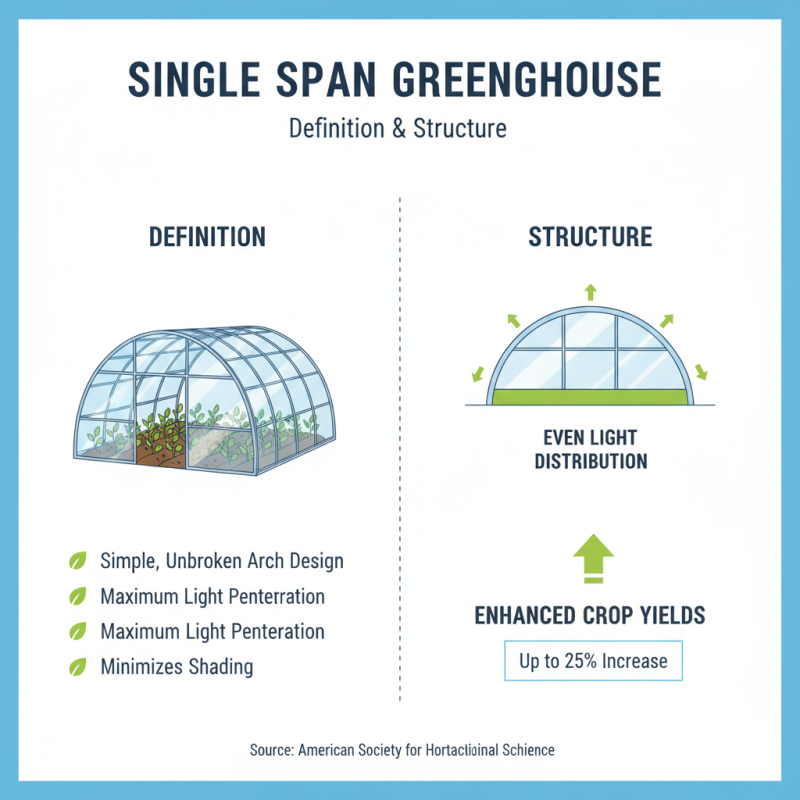
A single span greenhouse features a simple, unbroken arch design. This structure allows for maximum light penetration, which is vital for plant growth. According to industry reports, such as those from the American Society for Horticultural Science, single span greenhouses can enhance crop yields by up to 25%. The clear span design also minimizes shadowing, providing even light distribution.
Constructed often from metal frames and polyethylene covers, these greenhouses are highly versatile. They can be adapted to various climates. A study from the Greenhouse Grower Magazine noted that growers using single span structures benefit from improved airflow and reduced disease incidence. However, they are not without limitations. These structures might struggle with snow loads in colder regions, necessitating proper design considerations.
Accessibility is another concern. While single span greenhouses are easy to manage, larger operations may require more space. The narrow layout can limit movement and equipment access. Reflecting on these factors is essential for growers considering installation. It's crucial to weigh the benefits against potential challenges.
Unique Features and Design Considerations for Single Span Greenhouses
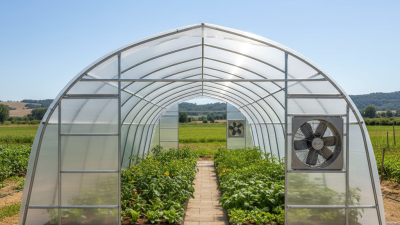
Single span greenhouses stand out for their simplicity and efficiency. These structures typically feature a single, continuous roof that maximizes sunlight exposure. The design allows for excellent air circulation, which is crucial for plant health. Growers can utilize a variety of materials for the frame, such as aluminum or galvanized steel, ensuring durability and longevity.
One key aspect to consider in their construction is ventilation. Proper airflow can drastically affect plant growth and yield. Growers often incorporate side vents or roof vents. Automation systems can optimize this ventilation. However, balancing temperature and humidity remains a challenge. Additions like shade cloths can help mitigate excessive heat during peak sunny days.
Materials used for covering the greenhouse also play a significant role. Polycarbonate panels are popular due to their insulating properties and UV protection. Yet, concerns about durability arise. Seasonal storms can damage even sturdy covers. Regular maintenance is required to address issues early. These considerations are vital for successful cultivation and long-term investment.
What is a Single Span Greenhouse and Its Benefits for Growers?
| Feature |
Description |
Benefits |
| Design |
A single arch or flat roof structure without internal columns. |
Maximizes internal growing space and light penetration. |
| Ventilation |
Simple roof vents or side vents allow for efficient airflow. |
Helps regulate temperature and humidity levels, reducing disease risk. |
| Material |
Typically constructed with polyethylene, polycarbonate, or glass. |
Provides effective insulation and UV protection. |
| Cost-Effectiveness |
Lower initial investment compared to larger structures. |
Higher return on investment for small-scale growers. |
| Customization |
Easily customizable in size and features to fit specific needs. |
Adaptable for various crops and changing growing practices. |
Advantages of Single Span Greenhouses for Crop Production
Single span greenhouses provide an effective solution for both novice and seasoned growers. These structures are easy to set up and maintain. They offer a streamlined design that maximizes light exposure, crucial for crop growth. According to a recent report by the American Society for Horticultural Science, indoor production in single span greenhouses can yield up to 30% more than traditional outdoor farming.
The design also enhances air circulation and reduces temperature fluctuations. This is vital for maintaining optimal growing conditions. In studies, better airflow resulted in healthier plants, leading to higher quality produce. Growers reported that crops grown in single span setups showed a 20% reduction in disease incidence. However, growers must consider geographical factors, as single spans may not be suitable for all climates.
While the advantages are clear, there are ongoing challenges. Some growers face initial costs, which can be a barrier. Depending on the location, the investment may take years to pay off. Moreover, uniformity in planting can lead to occasional pest issues. Continuous monitoring and adjustments are necessary. Despite these challenges, single span greenhouses continue to gain popularity for their efficiency and the potential for increased crop production.
Cost-Effectiveness and Sustainability of Single Span Greenhouses
Single span greenhouses have gained popularity among growers for several reasons. They offer an economical approach to sustainable agriculture. The simple structure uses fewer materials than multi-span designs. Lower construction costs make them accessible for small-scale farmers. Additionally, maintenance is less demanding, which saves time and labor.
Sustainability is another key benefit. Single span greenhouses utilize natural light effectively. They encourage energy efficiency, leading to lower operational costs. Growers can optimize the climate inside these greenhouses, reducing the need for artificial heating and cooling. This approach promotes eco-friendly practices. However, adaptations are necessary in extreme weather. Growers must consider local climate and crop requirements, which could strain resources.
In conclusion, while single span greenhouses offer numerous advantages, they're not without challenges. Understanding limitations is crucial for success. Growers need to balance costs and potential environmental impacts. Investing in education and experience enhances decision-making. Each greenhouse should align with specific grower goals and conditions.
Benefits of Single Span Greenhouses
Best Practices for Maximizing Yield in Single Span Greenhouses
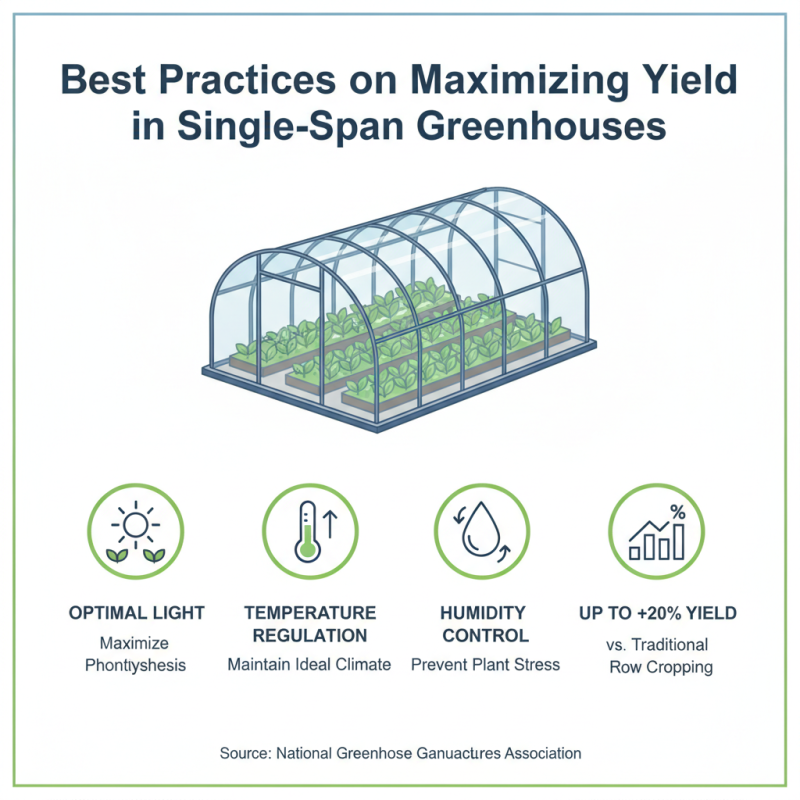
Single span greenhouses provide a unique environment for growers, especially when maximizing yields. These structures facilitate optimal light penetration, crucial for photosynthesis. According to the National Greenhouse Manufacturers Association, single span greenhouses can increase crop yield by up to 20% compared to traditional row cropping. This is largely due to improved temperature regulation and the ability to control humidity levels.
Implementing the right practices in these greenhouses enhances efficiency. Proper ventilation is key; insufficient airflow can lead to issues like disease and mold. Studies show that maintaining a consistent air exchange improves plant health. Additionally, using drip irrigation can save water and minimize nutrient runoff. However, growers should be aware that over-irrigation remains a common pitfall. Excess water can cause root rot and reduce overall productivity.
Crop rotation and the introduction of beneficial insects can further enhance yields. These strategies can reduce pest pressure and improve soil health. Nevertheless, some growers may hesitate to diversify crops due to the perceived complexity. In a single span greenhouse, finding the balance between crop diversity and management challenges is essential for sustainable growth.