What is Polyethylene Greenhouse and Its Benefits for Buyers?
In recent years, the demand for sustainable farming practices has surged. Among these practices, the "Polyethylene Greenhouse" stands out. Experts are increasingly recognizing its potential benefits. Dr. Emily Hart, a renowned horticulturist, states, "Polyethylene Greenhouses offer both efficiency and flexibility for growers."
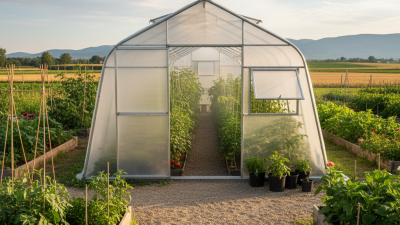
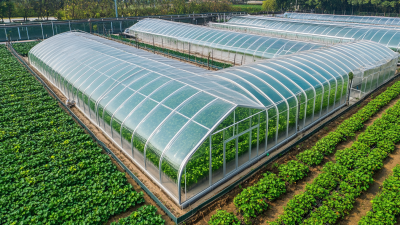
These structures provide an ideal environment for plant growth. They maintain temperature and humidity, essential for high-quality crops. This adaptability is crucial for farmers facing climate challenges. Polyethylene is lightweight and affordable, making it accessible for diverse agricultural operations.
However, as with any solution, there are considerations. While Polyethylene Greenhouses are effective, they may require proper maintenance. A lack of care could lead to reduced lifespan. Buyers must weigh these aspects. Investing in a Polyethylene Greenhouse can yield great rewards if approached thoughtfully. The blend of technology and agriculture through this innovation reflects a promising future for sustainable farming.
What is a Polyethylene Greenhouse?
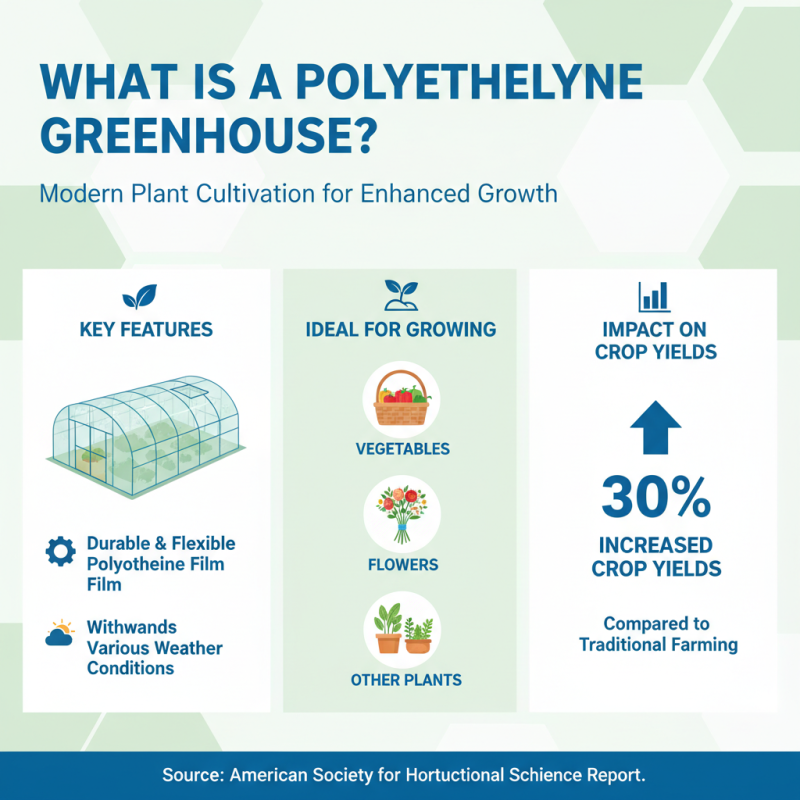
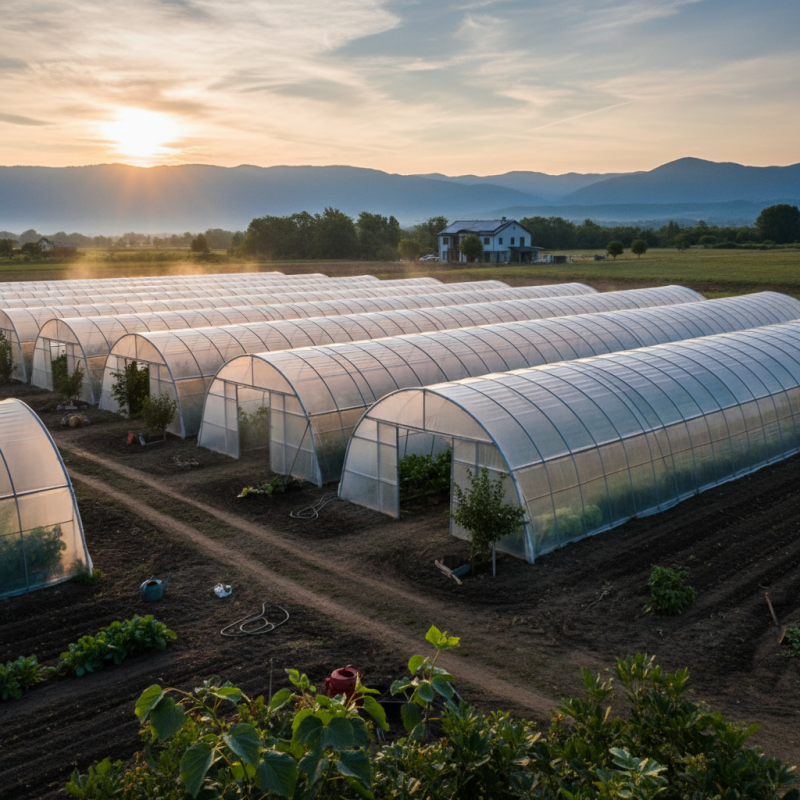
A polyethylene greenhouse is an effective structure designed for plant cultivation. Made primarily from polyethylene film, these greenhouses provide an ideal environment for growing vegetables, flowers, and other plants. The material is highly durable and flexible, allowing it to withstand various weather conditions. According to a report by the American Society for Horticultural Science, polyethylene greenhouses have been shown to improve crop yields by up to 30% compared to traditional farming methods.
A key benefit of polyethylene greenhouses is their ability to retain heat. This is particularly advantageous for year-round cultivation. The material also offers UV protection, minimizing damage to plants from excessive sunlight. These greenhouses can be constructed in various sizes, accommodating both small and large operations. Data from the Greenhouse Vegetable Production report notes that nearly 60% of vegetable growers utilize polyethylene structures, emphasizing their popularity and effectiveness in the industry.
Tips: When choosing a polyethylene greenhouse, consider the thickness of the film and the structure's ventilation options. Proper ventilation is crucial to prevent overheating, especially during warmer months. Additionally, remember that while these greenhouses are beneficial, they require regular maintenance and monitoring to ensure optimal growing conditions.
Key Features of Polyethylene Greenhouses
Polyethylene greenhouses are becoming increasingly popular among growers for several compelling reasons. These structures are lightweight yet strong, making them easy to install and move. Research from the National Center for Biotechnology Information shows that polyethylene can help increase crop yields by up to 25%. This is primarily due to its ability to provide optimal light diffusion and maintain consistent temperatures inside the greenhouse.
One of the key features of polyethylene greenhouses is their excellent UV resistance. Polyethylene films can block up to 98% of harmful UV rays, protecting plants while allowing essential sunlight for photosynthesis. Additionally, these greenhouses can retain heat better than many traditional materials. This thermal efficiency means crops can thrive even during colder months. According to a report from the American Society for Horticultural Science, strategically used polyethylene can reduce heating costs by 30% compared to other materials.
While polyethylene greenhouses offer many benefits, growers should consider potential challenges. Durability may be a concern, as the material can degrade over time, particularly in extreme environments. It's vital to regularly inspect the greenhouse for wear and tear. Buyers should also understand that while initial costs may be lower, long-term maintenance and potential replacements might impact overall expenses. Balancing these factors is crucial for informed decision-making in greenhouse investments.
Benefits of Polyethylene Greenhouses for Buyers
Polyethylene greenhouses offer numerous advantages for buyers. They provide a controlled environment for plant growth. This can lead to higher yields throughout the growing season. The lightweight structure allows easy setup and relocation. Many gardeners appreciate the portability, making them ideal for small spaces.
Cost-effectiveness is another significant benefit. Polyethylene is generally less expensive than glass or polycarbonate. Buyers can invest in larger structures without overspending. These greenhouses are also efficient in heat retention. This helps reduce energy costs during colder months.
Maintenance is a concern for any greenhouse owner. Polyethylene covers may need replacement every few years, depending on exposure. Buyers should weigh this against longevity benefits. Some find that establishing a routine for care can streamline this process. A well-maintained greenhouse can foster healthy plants and optimize resources.
What is Polyethylene Greenhouse and Its Benefits for Buyers?
| Dimension |
Description |
Benefits |
| Material |
Made from high-quality polyethylene |
Durability and resistance to weather conditions |
| Light Transmission |
Allows up to 90% light transmission |
Optimal growing conditions for plants |
| Insulation |
Provides thermal insulation properties |
Energy efficiency and reduced heating costs |
| Cost |
Generally lower compared to glass greenhouses |
Affordability for hobbyists and commercial growers |
| Installation |
Easier and faster installation process |
Saves time and labor costs |
| Maintenance |
Low maintenance requirements |
Convenience for buyers |
Comparative Analysis: Polyethylene vs. Other Greenhouse Materials
When evaluating greenhouse materials, polyethylene stands out due to its unique properties. Unlike glass or rigid plastics, polyethylene films are lightweight and flexible. This flexibility allows for easier installation and reduces the risk of breakage. According to industry reports, a polyethylene greenhouse can cost 25% to 50% less than traditional glass structures. This can be crucial for small-scale farmers or hobbyists with limited budgets.
Polyethylene offers impressive insulation benefits. It retains heat effectively, which can help extend the growing season. Studies indicate that polyethylene greenhouses can increase yields by up to 30%. However, these structures may require more frequent replacement than glass ones, as they degrade faster under UV exposure. Gardeners need to consider this trade-off.
Another factor is light transmission. Polyethylene films filter light differently than glass. Some growers report reduced crop quality due to excess UV exposure. On the other hand, certain advanced polyethylene films enhance light diffusion. The choice largely depends on the specific crops and local climate conditions. Overall, polyethylene presents a compelling option, but buyers must weigh advantages against potential drawbacks.
Maintenance Tips for Maximizing Your Polyethylene Greenhouse's Lifespan
Maintaining a polyethylene greenhouse can significantly enhance its lifespan. Proper care can prevent costly repairs. Regular cleaning is essential. Dust and debris can block sunlight, affecting plant growth. Use a soft cloth or sponge with mild soap. Rinse gently with water on sunny days. This keeps your greenhouse clear and inviting for plants.
Temperature control plays a vital role, too. Extreme heat or cold can damage the structure. During hot months, ensure proper ventilation. Open the vents early in the day. In winter, use insulating materials. This reduces heating costs and protects delicate plants.
Also, check for wear and tear frequently. Inspect seams and fasteners for any signs of damage. A small tear can escalate quickly. Performing timely repairs extends the life of your greenhouse. Reflect on your greenhouse's performance regularly. Documenting your observations will guide future improvements and adaptations.
Benefits of Polyethylene Greenhouses
This chart illustrates the key benefits of polyethylene greenhouses, rated from 1 to 10. The data highlights that UV resistance and cost-effectiveness are particularly significant benefits for buyers.