Why You Should Invest in an Agricultural Greenhouse for Maximum Crop Yields
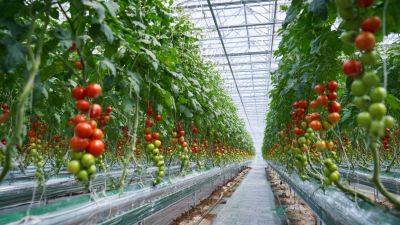
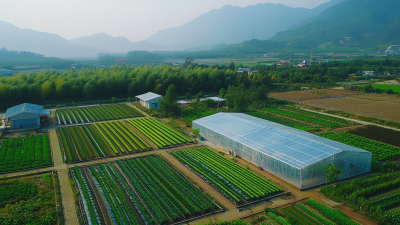
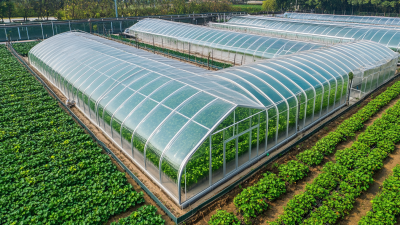
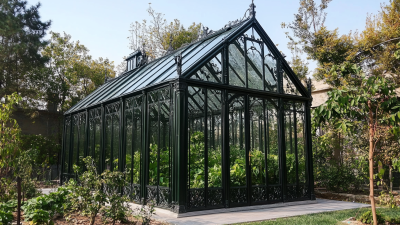
Investing in an Agricultural Greenhouse is not just a trend; it is a strategic move towards maximizing crop yields in today’s competitive farming landscape. With the increasing demand for high-quality produce year-round, the need for controlled environments has never been more crucial. An Agricultural Greenhouse provides a unique solution by creating optimal growing conditions that shield crops from unpredictable weather, pests, and diseases, allowing farmers to cultivate a diverse range of plants in any season.
The benefits of an Agricultural Greenhouse extend beyond mere protection. It enables precise control over temperature, humidity, and light, which are critical factors influencing plant growth. By harnessing advanced technologies such as automated climate control and irrigation systems, farmers can enhance their productivity, reduce resource waste, and achieve higher quality yields. Furthermore, the ability to grow crops in a confined environment decreases reliance on harmful pesticides, promoting sustainable agricultural practices that benefit both the environment and consumers.
As the agricultural sector continues to evolve, investing in an Agricultural Greenhouse represents a forward-thinking approach to meet the challenges of modern crop production. This investment not only promises higher yields but also contributes to food security and sustainability, making it an essential consideration for farmers looking to thrive in the future.
The Importance of Agricultural Greenhouses in Modern Farming Practices
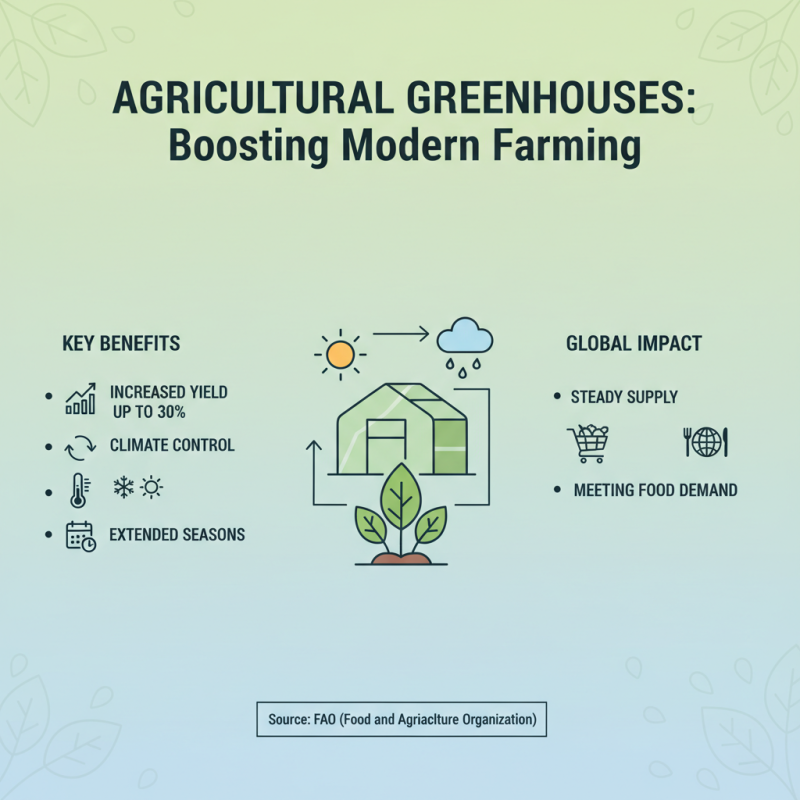
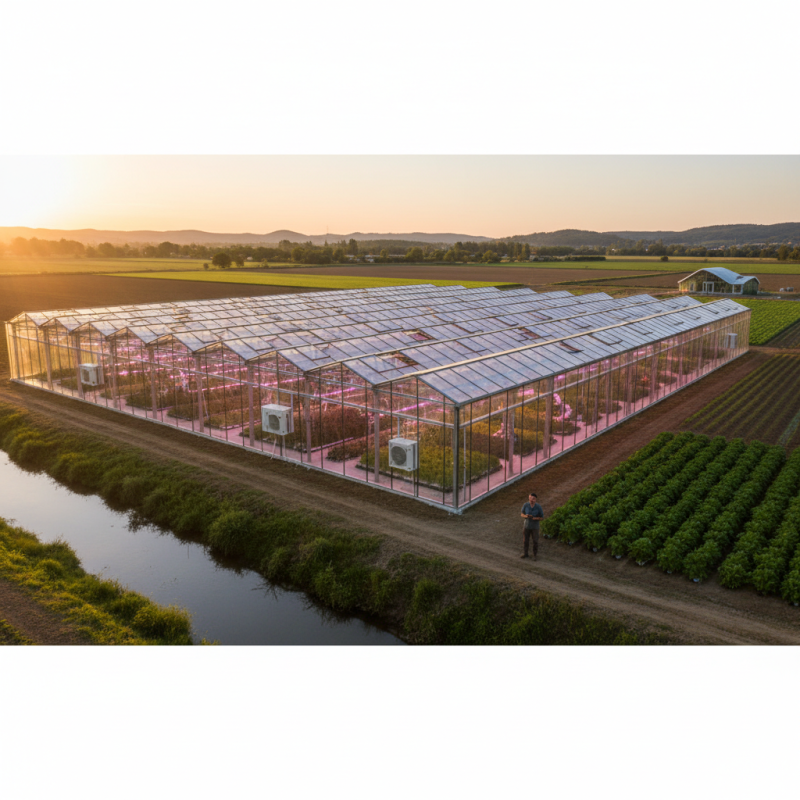
Agricultural greenhouses have become a cornerstone of modern farming practices, significantly enhancing crop yield and quality. According to the Food and Agriculture Organization (FAO), controlled-environment agriculture, including greenhouse usage, can increase productivity by up to 30% compared to open-field farming. This is primarily due to regulated climate conditions that mitigate the impact of adverse weather, pests, and diseases. Greenhouses allow farmers to extend growing seasons, providing a steady supply of produce throughout the year, which is essential in meeting global food demands.
Tips for setting up an effective greenhouse include selecting the right type of greenhouse structure that suits your crop needs and local climate. Whether opting for a high-tech glasshouse or a simpler hoop structure, understanding your target crop's requirements is crucial. Additionally, employing automated climate control systems can optimize the internal environment for plant growth, leading to healthier yields. Research highlights that integrating sustainable practices, such as water-efficient irrigation and natural pest management, can further enhance the benefits of greenhouse farming, making it both productive and environmentally friendly.
Furthermore, data indicates that greenhouse farming can significantly decrease resource use, with reports showing that water usage can be reduced by nearly 50% compared to traditional farming methods. This efficiency is vital in regions facing water scarcity and aligns with sustainable agricultural practices. Emphasizing the importance of advanced farming technologies, agriculture professionals are encouraged to embrace greenhouse cultivation for sustainable and productive farming, ensuring food security for future generations.
Understanding the Benefits of Controlled Environment Agriculture
Investing in an agricultural greenhouse opens up a world of possibilities for maximizing crop yields, primarily through controlled environment agriculture (CEA). This innovative approach allows for the manipulation of environmental factors such as temperature, humidity, light, and CO2 levels, creating optimal growing conditions tailored to specific crops. By shielding plants from external weather conditions and pests, greenhouses not only extend the growing season but also significantly increase the quantity and quality of produce harvested.
Tips for achieving success in your greenhouse: Start with selecting the right location that receives ample sunlight throughout the day to optimize energy usage. Consider integrating hydroponic or aquaponic systems, which can provide a sustainable and efficient way to grow crops, reducing water usage and eliminating the need for soil. Additionally, implementing automation technology can streamline the management of your greenhouse, allowing for precise climate control and minimizing labor costs.
One of the standout benefits of controlled environment agriculture is the ability to grow crops year-round, regardless of local climate conditions. This means farmers can cater to consumer demand for fresh produce all year, leading to potentially higher profits. Moreover, with the rising awareness of food security and sustainable agriculture, investing in greenhouses not only supports individual farmers but also contributes to a more resilient food system. By harnessing these advantages, growers can significantly enhance their productivity and sustainability in today’s agricultural landscape.
Crop Yields Comparison: Traditional Farming vs. Agricultural Greenhouse
Enhancing Crop Yields Through Advanced Greenhouse Technologies
Investing in an agricultural greenhouse is a strategic move for anyone looking to maximize crop yields. Advanced greenhouse technologies have revolutionized traditional farming methods, allowing for more efficient use of space, resources, and time. By controlling environmental factors such as temperature, humidity, and light, growers can create the optimal conditions for plants to thrive. This not only results in higher yields but also enables longer growing seasons, making it possible to cultivate a wider variety of crops throughout the year.
One key aspect of enhancing crop yields is the integration of smart technology in greenhouse management. Sensors and automated systems can monitor conditions in real-time, signaling when adjustments are necessary. This means water, nutrients, and light can be precisely tailored to meet the needs of the plants at any given moment. Additionally, using hydroponics or aeroponics systems within greenhouses can significantly improve growth rates and yield sizes, as these techniques allow plants to take in nutrients more effectively than traditional soil methods.
Tips for maximizing productivity in your greenhouse include regularly scheduling maintenance checks to ensure all systems are functioning optimally. Implementing a crop rotation plan can also prevent soil nutrient depletion and reduce pest accumulation. Lastly, consider incorporating companion planting strategies to improve plant health and yield while naturally deterring pests, creating a sustainable and productive growing environment.
Key Factors to Consider When Investing in a Greenhouse
When considering an investment in an agricultural greenhouse, there are several key factors to keep in mind to ensure maximum crop yields. Firstly, climate control is paramount. A well-designed greenhouse allows for the regulation of temperature, humidity, and ventilation, which creates an optimal growing environment for crops. Understanding the local climate and selecting the appropriate greenhouse materials, such as polycarbonate or glass, can significantly enhance the efficiency of climate management.
Secondly, the choice of cultivation system should be tailored to your specific crops. Hydroponics, aquaponics, and traditional soil methods each have unique advantages. Evaluating the available space and the types of crops you wish to cultivate can help determine the most suitable approach. Additionally, integrating automation technology for watering, lighting, and nutrient delivery can streamline operations and improve productivity.
Lastly, location is critical. The accessibility of your greenhouse site affects not only operational efficiency but also logistics for supply and distribution. Be sure to assess the proximity to markets and transportation routes, as well as the availability of utilities such as water and electricity. By carefully considering these factors, you can make a sound investment that maximizes your crop yields while minimizing operational challenges.
Sustainable Practices in Greenhouse Farming for Long-Term Success
Investing in an agricultural greenhouse not only promises enhanced crop yields but also aligns with sustainable farming practices that drive long-term success. Greenhouses create controlled environments that optimize conditions for plant growth, significantly reducing the need for chemical pesticides. According to industry reports, greenhouse horticulture can increase productivity by up to 60% compared to traditional farming methods while using 90% less water. This sustainable approach not only mitigates environmental impact but also prepares farmers to adapt to changing climate conditions.
When implementing sustainable practices in greenhouse farming, consider integrating hydroponics and aquaponics systems. These methods utilize less land and conserve water, enabling crops to grow without soil. A study by the International Society for Horticultural Science indicated that hydroponics can yield up to ten times more produce than conventional farming within the same footprint. Additionally, adopting renewable energy sources, such as solar panels, further enhances sustainability, reducing operational costs and carbon footprints.
**Tips:**
1. Regularly monitor and adjust growing conditions such as temperature and humidity to maximize plant health and yield.
2. Incorporate crop rotation and polyculture practices within your greenhouse to enhance soil health and reduce pest outbreaks naturally.
3. Utilize organic fertilizers and compost to enrich the growing medium, promoting healthier plants without chemical dependence.
Why You Should Invest in an Agricultural Greenhouse for Maximum Crop Yields
| Crop Type |
Average Yield (tons/acre) |
Growth Cycle (weeks) |
Water Usage (gallons/week) |
Pest Management Approach |
| Tomatoes |
25 |
12 |
50 |
Integrated Pest Management (IPM) |
| Lettuce |
30 |
6 |
30 |
Chemical Controls |
| Cucumbers |
15 |
8 |
40 |
Organic Practices |
| Peppers |
20 |
10 |
45 |
Cultural Controls |
| Strawberries |
12 |
18 |
35 |
Biological Control |