What is an Intelligent Greenhouse and How Does It Work?
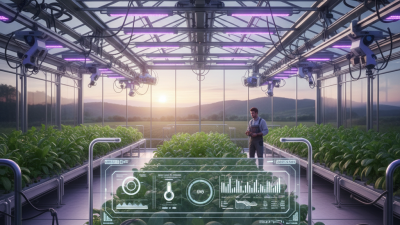
In recent years, the concept of an Intelligent Greenhouse has gained significant traction. This innovation merges technology with agriculture, creating an optimized environment for plant growth. With sensors, automation, and data analytics, these greenhouses can monitor and adjust conditions like temperature and humidity.
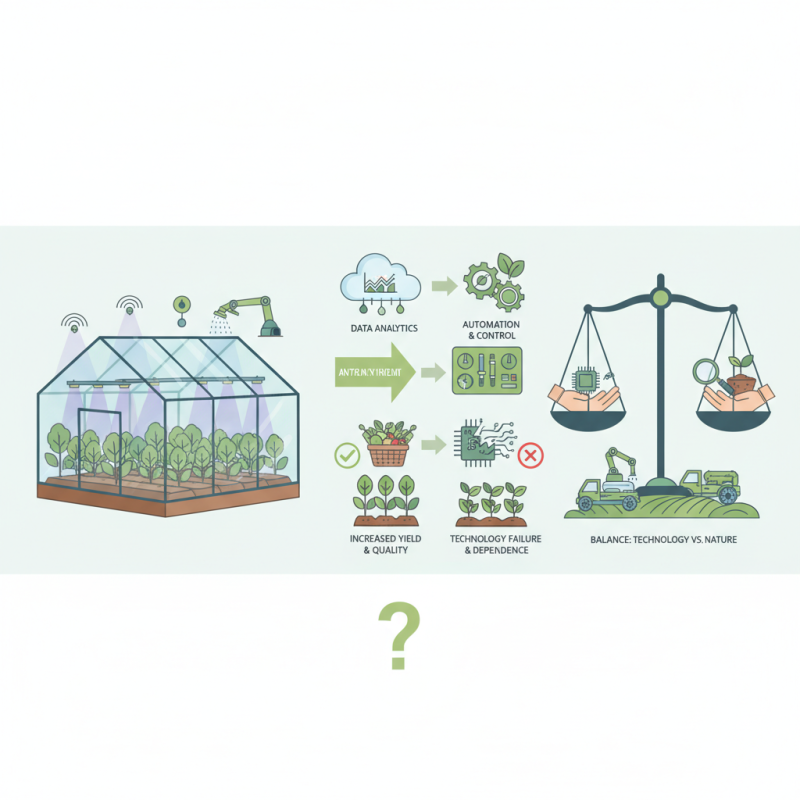
An Intelligent Greenhouse offers precise control over the growing environment. This increases crop yield and enhances quality. Traditional greenhouses often struggle with these variables, sometimes leading to less than optimal results. The integration of smart technology can address these issues, but reliance on these systems also poses challenges. Over-dependence may lead to complications when technology fails.
Moreover, the balance between technology and nature must be considered. While automation provides efficiency, it can also alienate growers from the process. This duality raises questions about the future of farming. Is reliance on technology the best path forward? An Intelligent Greenhouse undoubtedly offers benefits, yet it requires careful thought and management to truly thrive.
What is an Intelligent Greenhouse: Definition and Overview
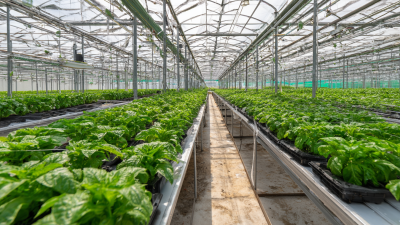
An intelligent greenhouse is a high-tech solution for modern agriculture. It combines technology with traditional farming methods. Sensors, automation, and data analysis work together to create an optimized environment for plant growth. This technology enhances efficiency and maximizes yield.
The defining feature of an intelligent greenhouse is its ability to monitor conditions in real time. Temperature, humidity, and soil moisture are constantly measured. This information allows for precise adjustments to be made. For instance, the ventilation systems can automatically open or close. Light levels can be modified based on plant needs. Yet, these systems require constant troubleshooting and maintenance. Technology may fail, leading to unexpected consequences.
Farmers often face challenges with initial setup and ongoing costs. These greenhouses demand significant investment and technical know-how. Some may struggle with integrating new technologies into their established systems. However, the potential benefits are noteworthy. Communication with the greenhouse can lead to a sustainable approach to farming. Adapting to these intelligent systems may be difficult, but the rewards can be impressive.
Key Components of an Intelligent Greenhouse: Technology and Equipment
Intelligent greenhouses incorporate advanced technology to optimize plant growth. Sensors, climate control systems, and automated irrigation are crucial for maintaining ideal conditions. These components work together to monitor temperature, humidity, and light levels. For example, soil moisture sensors measure water levels and trigger irrigation when needed. This prevents overwatering and conserves resources.
Climate control systems bring in fresh air or adjust heating as required. They respond to real-time data, ensuring plants thrive in a stable environment. Some systems even use advanced algorithms to predict weather changes. However, reliance on tech can pose challenges, such as system failures or data inaccuracies. Regular checks are essential to confirm that equipment works as intended.
Automated lighting mimics natural sunlight, ensuring consistent growth cycles. This is particularly beneficial in regions with variable sunlight. Yet, perfect lighting remains elusive; adjusting wavelengths can impact plant health differently than expected. Striking the right balance requires continuous learning and tweaking. Modern intelligent greenhouses are a blend of innovation and unpredictability, demanding ongoing attention and adaptability.
Intelligent Greenhouse: Key Components and Their Impact
How Intelligent Greenhouses Optimize Plant Growth Conditions
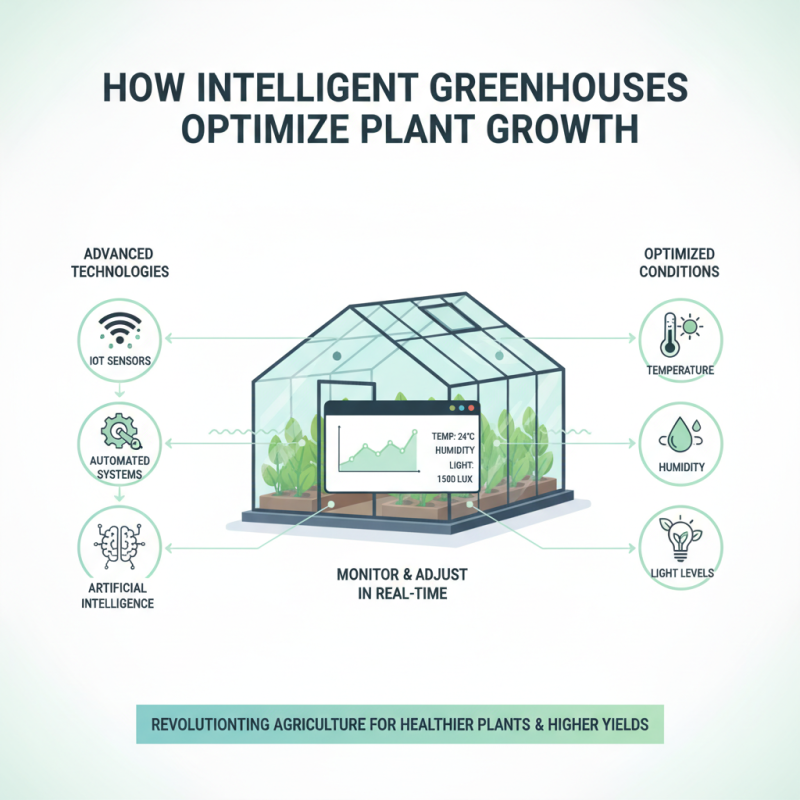
Intelligent greenhouses are revolutionizing agriculture by optimizing plant growth conditions. They utilize advanced technologies such as IoT sensors, automated systems, and artificial intelligence. These tools monitor and adjust environmental factors in real-time, addressing humidity, temperature, and light levels effectively.
According to a report by MarketsandMarkets, the intelligent greenhouse market is projected to reach $1.3 billion by 2025. This growth emphasizes the increasing reliance on data-driven agriculture. Intelligent greenhouses can improve resource management significantly. For instance, they reduce water usage by up to 50%, as precise irrigation systems deliver water only when necessary.
However, implementing such systems is not without challenges. The initial costs can be high, and not all crops adapt well to highly controlled environments. Some farmers express concerns about the complexity of technology integration. Balancing tech use with traditional practices remains a topic for discussion, reflecting the ongoing need for refinement in this innovative approach.
Operating Mechanisms: Automation and Data Analytics in Greenhouses
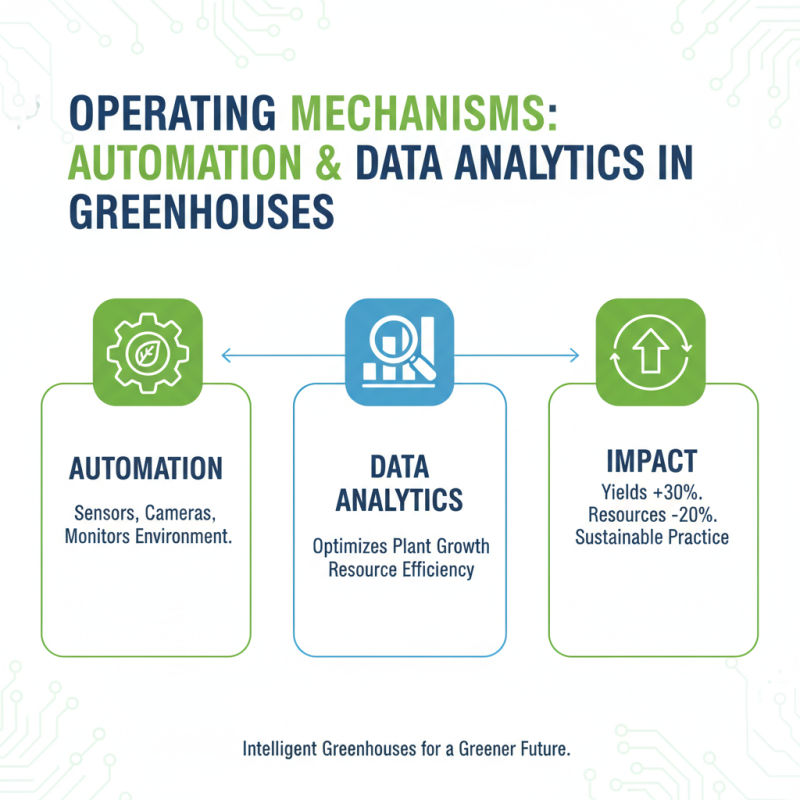
Intelligent greenhouses utilize automation and data analytics to optimize plant growth. These greenhouses integrate sensors, cameras, and software to monitor various environmental conditions. Reports indicate that intelligent greenhouses can increase yields by up to 30% while reducing resource usage by 20%. This efficiency not only enhances productivity but also promotes sustainable practices.
Automation plays a critical role in managing the climate inside the greenhouse. Automated systems can control irrigation, ventilation, and lighting based on real-time data. For instance, if humidity levels drop, automated irrigation can trigger to maintain optimal moisture. However, reliance on technology poses challenges. Systems can fail, leading to potential crop loss if not regularly monitored.
Tips: Regular maintenance of sensors and equipment is crucial for optimal functioning. Also, consider using backup systems to prevent data loss. Data analytics helps in predicting plant stress, enabling timely interventions. Understanding these patterns is essential for growers aiming to maximize crop output while minimizing waste. Embracing technology is valuable, but awareness of its limitations is equally important.
Benefits of Intelligent Greenhouses for Sustainable Agriculture Practices
Intelligent greenhouses are redefining sustainability in agriculture. They utilize advanced technologies to optimize growing conditions. Sensors monitor temperature, humidity, and light. This data helps maintain ideal conditions for crops. According to a report by Research and Markets, intelligent greenhouses can increase crop yields by up to 30%.
The benefits extend beyond just yield. Intelligent greenhouses consume less water. They can reduce water use by about 50%, according to the International Society for Horticultural Science. This water efficiency is vital as global water scarcity rises. Moreover, these greenhouses can decrease the need for herbicides and pesticides by creating a controlled environment.
However, there are challenges. High initial setup costs can deter farmers. Additionally, reliance on technology may lead to vulnerabilities. If a system fails, it could jeopardize an entire harvest. Farmers must weigh these risks against potential benefits. The transition to intelligent greenhouses is not without hurdles, but the advantages offer compelling reasons to adopt these practices.
What is an Intelligent Greenhouse and How Does It Work? - Benefits of Intelligent Greenhouses for Sustainable Agriculture Practices
| Feature |
Description |
Benefit for Sustainable Agriculture |
| Automated Climate Control |
Regulates temperature, humidity, and ventilation based on real-time data. |
Optimizes growing conditions, reducing energy usage and improving crop yield. |
| Smart Irrigation Systems |
Monitors soil moisture levels and delivers precise amounts of water. |
Conserves water and enhances plant health by preventing over or under-watering. |
| Data Analytics |
Analyzes various environmental data to forecast and improve crop performance. |
Informs better decision-making for long-term sustainability. |
| Integrated Pest Management |
Utilizes sensors to detect pests and diseases early. |
Reduces pesticide use, promoting environmental health and safety. |
| Renewable Energy Utilization |
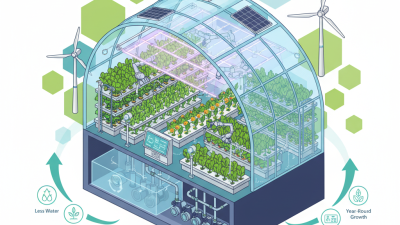
Incorporates solar panels or wind turbines for powering greenhouse operations. |
Lowers carbon footprint and operational costs. |