What is an Industrial Greenhouse and How Does it Work?
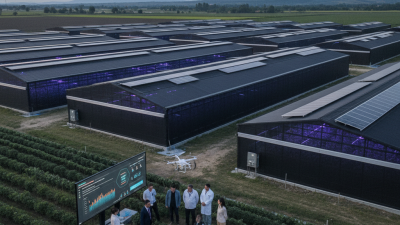
Industrial Greenhouses are revolutionizing agricultural practices worldwide. According to a recent report from Research and Markets, the global market for controlled environment agriculture, which includes industrial greenhouses, is expected to reach $10 billion by 2025. This growth reflects a shift towards sustainable farming methods.
These greenhouses optimize environmental conditions for plant growth, utilizing technology to enhance light, temperature, and humidity. For instance, a study from the USDA highlighted that industrial greenhouses can increase crop yields by up to 70% compared to traditional farming. However, challenges remain in terms of energy consumption and initial investment costs.
Deciding to implement an Industrial Greenhouse is not merely a choice for efficiency. It requires careful consideration of local climates, crop types, and energy sources. An efficient setup can lead to food security and resource conservation, yet constant innovation is paramount. While many successes exist, there are also cases that warrant reflection regarding cost-effectiveness and environmental impacts.
Understanding the Concept of an Industrial Greenhouse
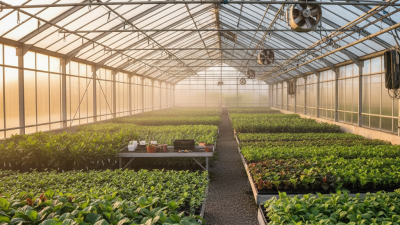
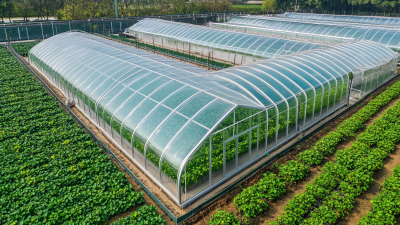
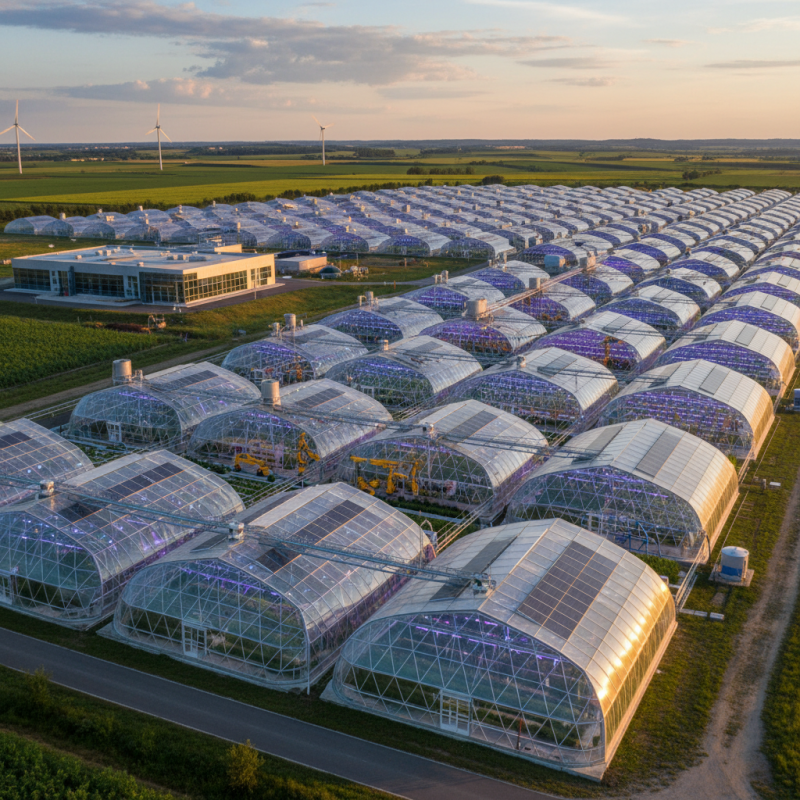
Industrial greenhouses are structures designed to optimize plant growth in a controlled environment. They use technology to manage light, temperature, humidity, and CO2 levels. This design allows for year-round production of various crops, independent of external weather conditions. The concept is rooted in maximizing efficiency and sustainability in agriculture.
Many growers face challenges when setting up these facilities. Proper ventilation and heating systems are critical. Without them, plants may suffer from poor growth or disease. Water supply is another concern. Using efficient irrigation methods can save resources and ensure healthy crop yields.
Tips: Always monitor the climate within your greenhouse. Small changes can significantly impact plant health. Experiment with different crops to find what works best in your environment. Be prepared to adapt your methods. Continuous learning is vital for success in this field.
Key Components of an Industrial Greenhouse and Their Functions
Industrial greenhouses are carefully designed structures that optimize the growth of plants. The key components of these greenhouses play crucial roles in creating the ideal environment. Understanding these elements is essential for effective operation.
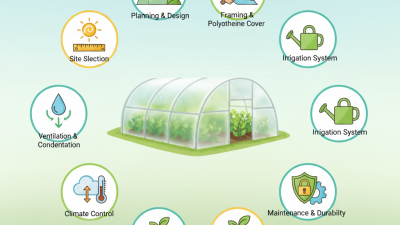
The frame of an industrial greenhouse is vital for stability. Usually made of metal or high-quality plastic, it supports the entire structure. Next, the glazing material allows sunlight while limiting heat loss. Common options include polycarbonate panels and glass. Adequate ventilation systems ensure that plants receive fresh air and help regulate temperature.
Environmental control systems are critical. They monitor humidity, temperature, and light levels. Advanced technologies like sensors and automated systems are becoming more prevalent. Irrigation systems are equally essential. They supply water precisely, preventing over or under-watering. However, designing a perfect system is complex. Issues with uneven water distribution can lead to plant stress. Regular assessment and adjustments are necessary to maintain efficiency.
Mechanisms of Climate Control in an Industrial Greenhouse
In an industrial greenhouse, climate control is crucial for optimizing plant growth. These structures utilize several mechanisms to balance temperature, humidity, and light. One common method is the use of automated ventilation systems. These systems open and close vents based on temperature readings. However, reliance on automation can sometimes lead to unintended temperature spikes or drops if sensors fail.
Another essential component is shading. This is particularly important in regions with intense sunlight. Shade cloths can reduce excess heat and protect crops from sunburn. Yet, the effectiveness of shading greatly depends on the material used and the timing of its application. Poorly executed shading strategies can result in uneven growth patterns in plants.
Heating systems also play a significant role, especially during colder months. Many greenhouses use radiant heaters or hot water pipes. While these systems can maintain optimal temperatures, they can be inefficient. High energy costs and potential malfunctions can pose challenges. Regular maintenance is vital, but it's often overlooked. Balancing these mechanisms is both an art and a science, demanding continuous assessment and adjustment. This ongoing learning process is integral to successful greenhouse management.
Benefits of Using Industrial Greenhouses in Modern Agriculture
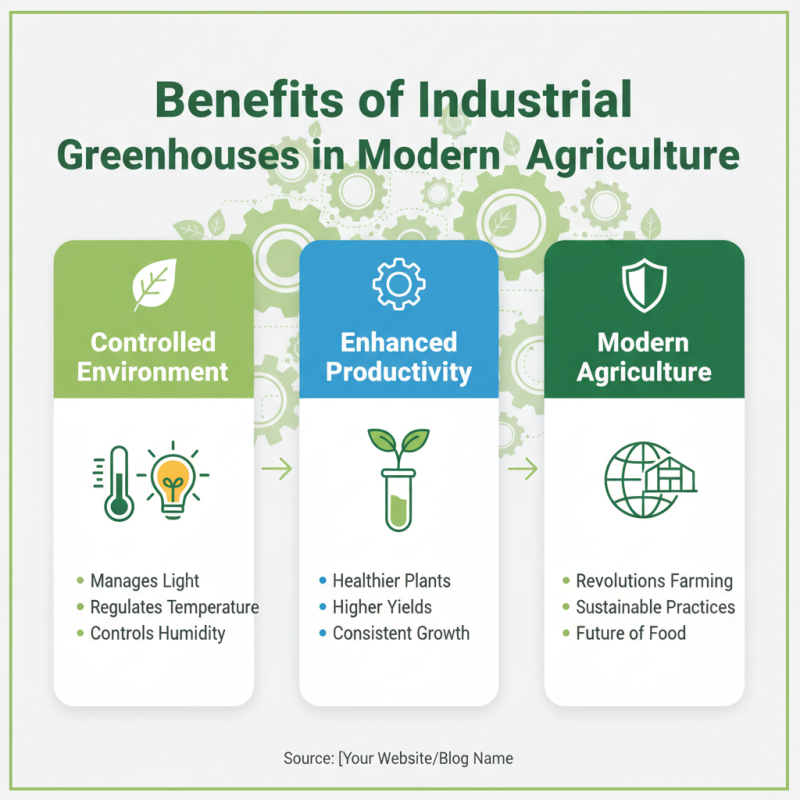
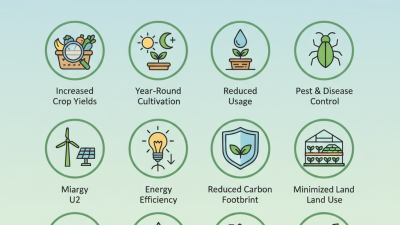
Industrial greenhouses revolutionize modern agriculture. They create controlled environments for plant growth, which enhances productivity. These structures are designed to manage light, temperature, and humidity. This level of control results in healthier plants and higher yields.
One major benefit of industrial greenhouses is resource efficiency. They use water and nutrients more effectively than traditional farming. By recycling resources, crop production can increase significantly. However, they require initial investments in technology. This can be a barrier for some farmers. It's important to weigh costs against potential increases in crop output.
Additionally, industrial greenhouses can extend growing seasons. This allows farmers to produce crops year-round. Yet, there's a learning curve involved. Proper management is crucial for success. Experience and ongoing education improve outcomes. As the agricultural landscape evolves, these greenhouses offer opportunities amidst challenges.
Challenges and Future Trends in Industrial Greenhouse Operations
Industrial greenhouses face numerous challenges that require innovative solutions. Climate change affects crop yield significantly. Reportedly, the global average temperature has risen by 1.1°C since the late 19th century. This has led to unpredictable weather patterns, affecting growing seasons. Data from the International Society for Horticultural Science suggests that production losses in certain regions can exceed 30% due to severe weather events.
Water scarcity is another pressing issue. A study from the Food and Agriculture Organization estimates that by 2025, two-thirds of the world’s population could be living in water-stressed areas. Industrial greenhouses need advanced irrigation systems. These systems must optimize water use while ensuring adequate supply for crops. Moreover, energy consumption poses a challenge. Greenhouses often rely on energy-intensive systems for heating, cooling, and lighting. The dependence on non-renewable energy sources creates sustainability concerns.
Looking ahead, embracing smart technology is crucial. Reports indicate that 40% of greenhouses are adopting precision agriculture techniques. Sensors and IoT devices can monitor plant health and environmental conditions in real-time. A shift towards renewable energy sources could reduce carbon footprints significantly. However, the initial investment for these technologies can be high. Balancing cost and efficiency remains a difficult but necessary task for future growth.