Top Benefits of Greenhouse Agriculture in China for Global Buyers?
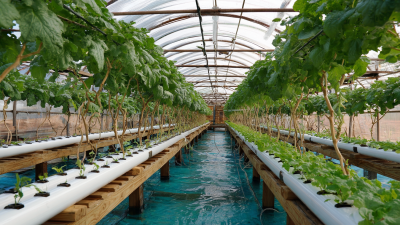
Greenhouse agriculture is transforming the landscape of farming in China. This method offers numerous advantages for global buyers. It improves yield efficiency and sustains crop quality year-round. Utilizing advanced technologies, China’s greenhouse operations can adapt to varying climates, ensuring consistent production.
Global buyers benefit from optimized supply chains. Greenhouse agriculture minimizes the need for pesticides, promoting healthier produce. This approach attracts more consumers who prioritize quality and sustainability. Nonetheless, challenges remain, such as costs and the need for continuous innovation.
The growing demand for organic and locally sourced products creates opportunities. China's greenhouse industry must focus on meeting these needs effectively. By addressing these gaps, they can solidify their position in the global market. Greenhouse agriculture presents a dynamic shift in how food is produced and consumed, fueling discussions about the future of farming.
The Rise of Greenhouse Agriculture in China: An Overview
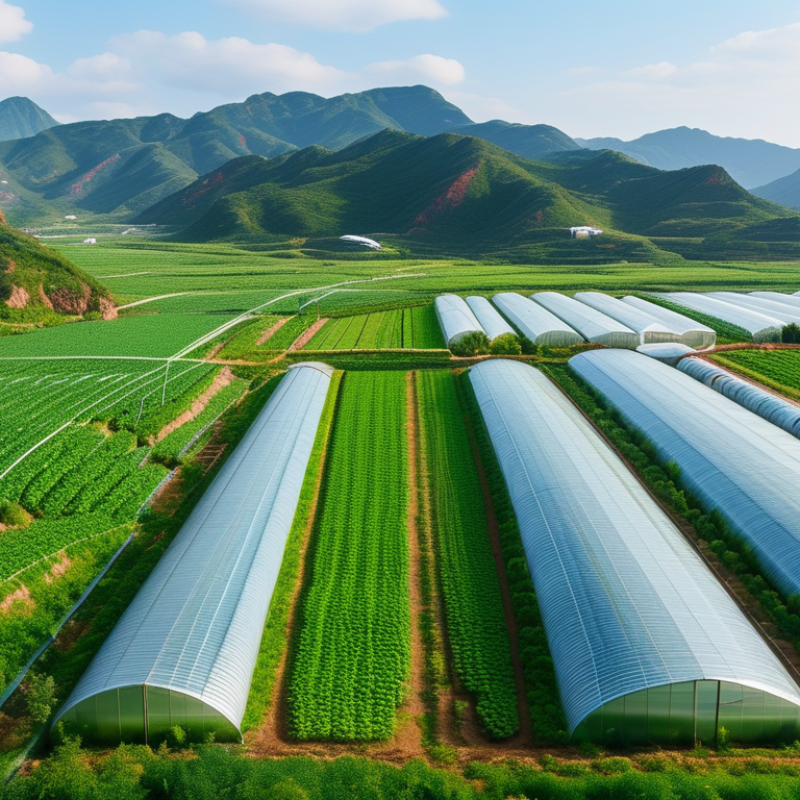
The rise of greenhouse agriculture in China is transforming the agricultural landscape. Recent data shows that China accounts for nearly 50% of the world's greenhouse vegetable production. This shift caters to the growing demand for fresh produce, both domestically and globally. With urbanization and rising incomes, consumers are increasingly seeking high-quality vegetables year-round.
Greenhouse farms provide controlled environments. This protects crops from extreme weather and pests. According to the China Agricultural Outlook Report, the country's greenhouse vegetable production is expected to grow by 10% annually. However, challenges exist. Water usage and energy consumption in greenhouses can be high. Efficient resource management is crucial in achieving sustainable growth.
The adoption of advanced technologies is on the rise. Precision farming techniques and digital monitoring systems are becoming common. They help optimize crop yields and reduce waste. While innovations offer significant benefits, their implementation requires investment and expertise. This underscores the importance of capacity building among farmers to fully leverage greenhouse agriculture's potential.
Key Advantages of Greenhouse Agriculture for Global Buyers
Greenhouse agriculture in China offers significant advantages for global buyers. With a rapidly increasing demand for fresh produce, greenhouses help meet this need efficiently. According to recent industry reports, the greenhouse vegetable market in China is projected to reach $100 billion by 2025. This growth reflects the effectiveness of greenhouses in maximizing yield and reducing waste.
One of the key benefits for global buyers is consistent quality. Controlled environments reduce pests and diseases, leading to healthier crops. Moreover, the integration of advanced technologies, such as hydroponics and smart sensors, has enhanced productivity. A report from the China Agricultural University noted that yields can increase by up to 50% compared to traditional farming methods.
Sustainability is also a focal point. Greenhouses use water-saving irrigation systems, which can reduce water usage by 40%. However, it is important to acknowledge some challenges. High initial investment costs can deter smaller farmers from adopting this technology. Additionally, fluctuating energy prices can impact operational costs. Buyers should consider these factors when assessing long-term partnerships.
Sustainability and Environmental Impact of Greenhouse Farming
Greenhouse agriculture in China offers notable benefits for sustainability and environmental impact. This farming method uses controlled environments to optimize growth conditions. As a result, resource use is more efficient. Water consumption is reduced due to recycling systems and localized irrigation. This minimizes waste, making it a preferable choice for eco-conscious buyers.
Additionally, greenhouse farming promotes biodiversity. It allows for the cultivation of a variety of plants throughout the year. This practice can reduce the need for pesticides, as the enclosed structures limit pest populations. However, it requires careful management to avoid issues such as soil degradation. Finding a balance in nutrient use is crucial for long-term sustainability.
The energy consumption of greenhouses also raises questions. While they can harness renewable resources, reliance on fossil fuels may still be an issue. As buyers, the goal should be to support practices that prioritize renewable energy solutions. Reflecting on these aspects gives a clearer view of the environmental impacts of greenhouse agriculture in China.
Quality and Variety of Produce Offered by Chinese Greenhouses
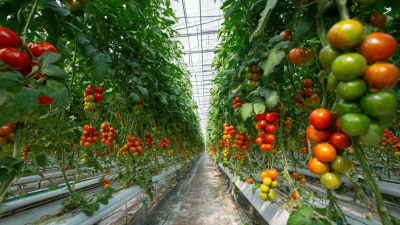
Chinese greenhouse agriculture offers an impressive array of produce. The controlled environment leads to higher-quality fruits and vegetables. Greenhouses allow for year-round cultivation, enhancing supply consistency. This is especially valuable for global buyers seeking fresh options.
Variety is another strength of Chinese greenhouses. They produce everything from strawberries to leafy greens. Each crop is carefully nurtured, promoting optimal flavor and nutritional content. However, not all greenhouses maintain the same standards. Buyers should be cautious and research suppliers thoroughly before engaging.
While many greenhouses use advanced technologies, challenges remain. Some may face issues with sustainability and resource management. It's essential for buyers to consider these aspects. Engaging with reputable sources can help mitigate risks. High-quality produce is not just about freshness; it requires responsible practices.
Top Benefits of Greenhouse Agriculture in China for Global Buyers
| Produce Type |
Quality Rating |
Availability (Months) |
Variety Offered |
Export Volume (tons) |
| Tomatoes |
A |
12 |
Cherry, Roma, Beefsteak |
150,000 |
| Cucumbers |
A |
8 |
Persian, Pickling |
120,000 |
| Bell Peppers |
A+ |
12 |
Red, Yellow, Green |
90,000 |
| Strawberries |
A+ |
10 |
June bearing, Ever bearing |
40,000 |
| Lettuce |
A |
10 |
Romaine, Butterhead |
200,000 |
Economic Opportunities for International Buyers in Greenhouse Products
Greenhouse agriculture in China presents significant economic opportunities for global buyers. Increased demand for fresh produce drives the market. Greenhouses allow for year-round production. This method extends growing seasons, especially for fruits and vegetables. Buyers can access high-quality products consistently. This provides a competitive edge in various markets.
Moreover, China's advanced greenhouse technology enhances yield and efficiency. Innovative techniques reduce resource use while improving production. Buyers benefit from lower costs and sustainable practices. However, not all suppliers maintain high standards. Some may struggle with quality control. It is crucial for buyers to conduct thorough due diligence. Understanding regional differences helps in evaluating suppliers effectively.
The growing trend towards organic and sustainable products creates additional opportunities. Many greenhouses are shifting towards these practices. This can attract eco-conscious consumers. Buyers should explore certifications that reflect sustainability. Despite the challenges, the potential rewards are considerable. Engaging with China's greenhouse sector can open doors to lucrative markets.
Top Benefits of Greenhouse Agriculture in China for Global Buyers