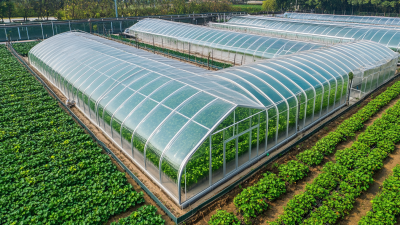
What is a Gothic Greenhouse and How to Build One?
The Gothic Greenhouse combines beauty and function in gardening. This unique structure features elegant arches and pointed roofs that create a stunning visual appeal. Renowned horticulturist Dr. Emily Hart believes, “A Gothic Greenhouse is not just a garden space; it’s an artistic statement.” Her words reflect the growing popularity of these greenhouses.
Building a Gothic Greenhouse can be both fulfilling and challenging. These structures require careful planning and design. The intricate details and style can seem daunting. Many people struggle with material choices and structural integrity. These choices greatly influence the greenhouse's functionality.
Creating a Gothic Greenhouse offers a chance for personal expression. It's a place for experimentation and learning. Mistakes are part of the process, but they lead to growth. Each step brings you closer to a beautiful space filled with life. With patience and creativity, you can build a charming Gothic Greenhouse that showcases your passion for gardening.
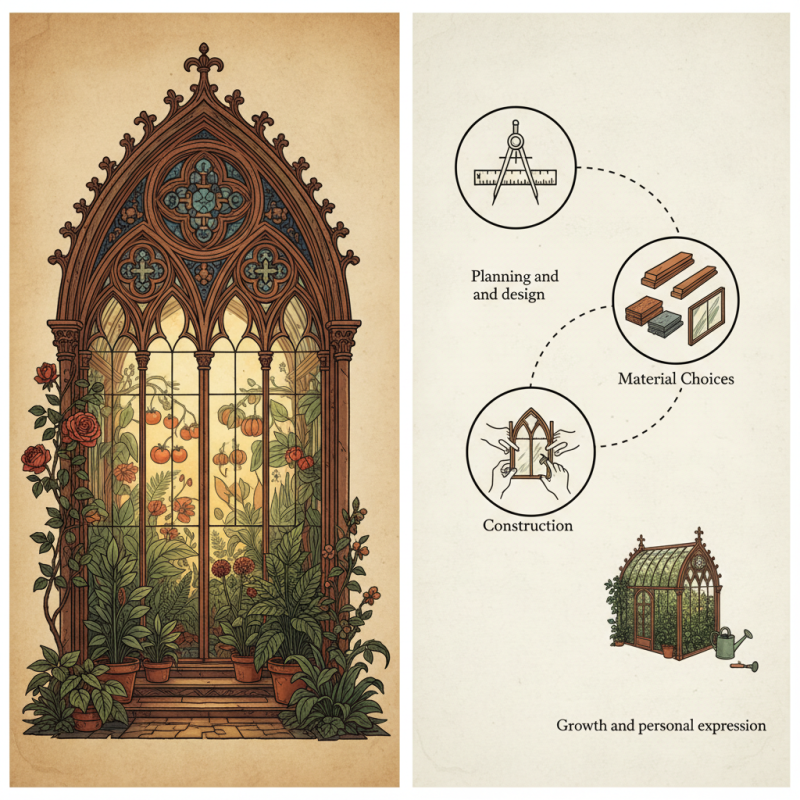
What is a Gothic Greenhouse?
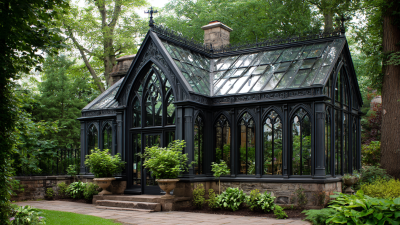
A Gothic greenhouse is a unique structure with an arched design, often made of glass and metal. Popular in the Victorian era, these greenhouses resemble cathedrals with pointed arches and intricate details. They create an aesthetically pleasing space for growing plants while maximizing light exposure. In fact, studies show that a well-designed greenhouse can increase plant yield by up to 30%.
This design is not just about looks. The steeply sloped roof allows for better rain drainage, which protects plants from excess water. Many gardeners choose Gothic greenhouses for their ability to maintain an ideal environment for flowers and vegetables year-round. However, they come with challenges. Without careful maintenance, condensation can build up. This may lead to mold, which can harm plants.
Building a Gothic greenhouse requires attention to detail. Consider local climate conditions before starting. The sloped roof adds aesthetic charm, yet it can be difficult to manage in high-wind areas. Using durable materials is crucial. The initial investment may seem high, but data suggests that many gardeners see returns in crop productivity. Balancing beauty and functionality can be tricky. It is vital to continuously evaluate design choices and adjust as needed.
Gothic Greenhouse Interior Temperature vs. External Temperature
Key Features of Gothic Greenhouses
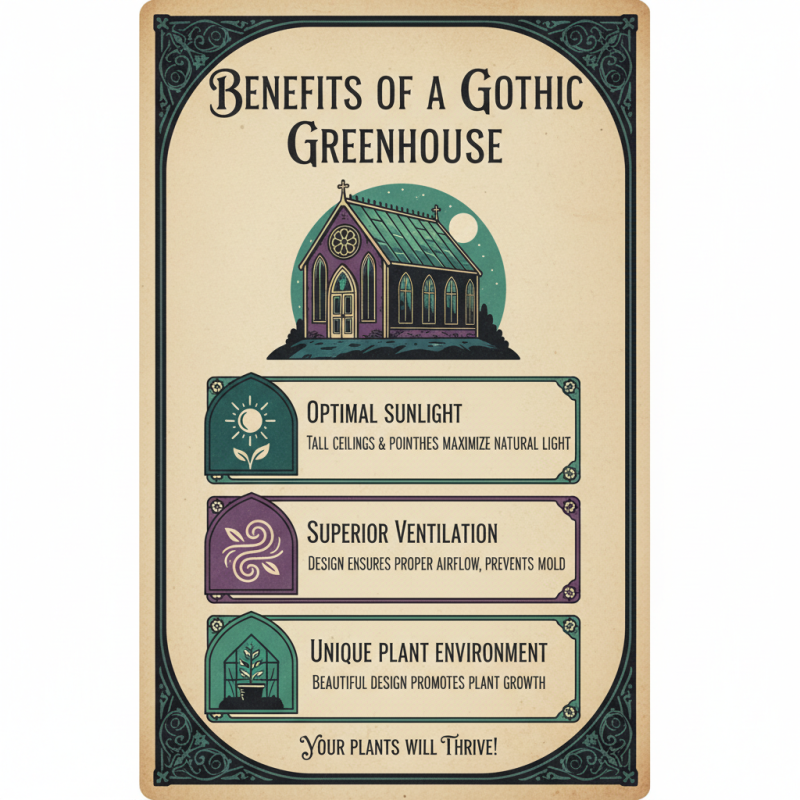
Gothic greenhouses have distinct architectural features that set them apart. Their high, pointed arches create a unique and spacious interior. This design allows for better airflow and light penetration. According to a report by the American Society of Landscape Architects, using a Gothic structure can increase natural light by up to 30%. More light means healthier plants, but too much can also lead to overheating.
The materials used in construction greatly influence functionality. Traditional glass walls can retain heat, but they may also trap humidity. A balance is necessary. Consider using polycarbonate panels for insulation. Research from the National Gardening Association highlights that the right material choice can improve growing conditions by 40%.
In designing a Gothic greenhouse, plan for adequate ventilation. Many overlook this crucial aspect. Without proper airflow, plants risk mold and disease. The aesthetics of Gothic design can be captivating, but functionality should not be sacrificed. Perfect balance is essential for a thriving greenhouse.
Materials Needed to Build a Gothic Greenhouse
Building a Gothic greenhouse can be an exciting project. To start, gather the essential materials. A durable frame is vital. Consider using wood or metal. These materials provide shape and support. They also withstand weather conditions.
Next, the glazing material is crucial. Many people choose glass or polycarbonate panels. These allow sunlight in while offering insulation. According to industry reports, using double-walled polycarbonate can increase energy efficiency by up to 35%. This is important for plant growth and reducing heating costs.
Don't forget the foundation. A strong base is necessary for stability. Concrete or bricks are common choices. They protect against ground moisture and pests. Finally, you'll need ventilation components. Windows or vents help control temperature. This is crucial in maintaining a healthy environment. Building a Gothic greenhouse requires planning. Each choice impacts the final result.
What is a Gothic Greenhouse and How to Build One? - Materials Needed to Build a Gothic Greenhouse
| Material |
Description |
Estimated Cost |
Quantity Needed |
| Wooden Frames |
Heavy-duty timber to construct the framework. |
$200 |
10 pieces |
| Polycarbonate Panels |
Durable panels for the greenhouse walls and roof. |
$300 |
15 sheets |
| Foundation Blocks |
Concrete blocks to provide a stable base. |
$150 |
20 blocks |
| Door Hardware |
Hinges, locks, and handles for the entrance door. |
$50 |
1 set |
| Ventilation System |
Fans and vents to control temperature and airflow. |
$100 |
1 system |
Step-by-Step Guide to Constructing a Gothic Greenhouse
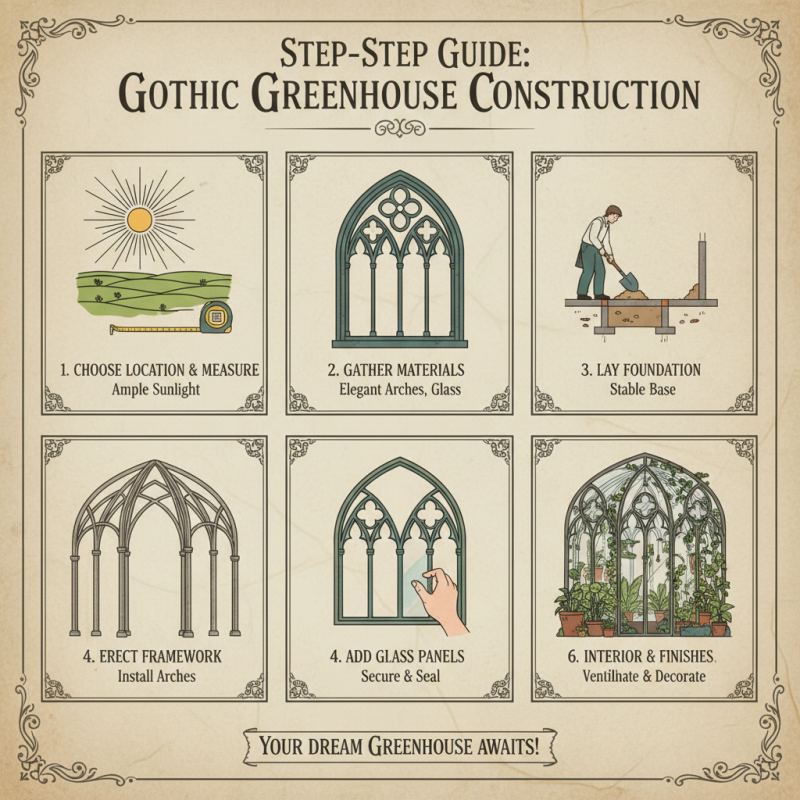
Building a Gothic greenhouse can be a rewarding project. This style features elegant arches and intricate designs. Start by choosing a suitable location. Ensure it receives ample sunlight. Measure the space to know how much material you'll need.
Next, gather your materials. Wood or metal can be used for the frame, while glass or polycarbonate serves as the walls. Cut your materials to size. Assemble the base first, ensuring it is level. Follow with the framework. Pay attention to the angles. Mistakes in measurements can lead to mismatched pieces.
Now, it's time to add the roof. Create the signature arches carefully. They should connect seamlessly. Use sturdy supports to enhance stability. Once complete, install the glazing. Make sure every panel fits properly. Gaps can lead to temperature loss. Remember, this project demands patience. Embrace the imperfections that arise. They can turn into unique features. As you build, reflect on each step. This process can deepen your appreciation for gardening!