10 Essential Tips for Successful Hydroponics Greenhouse Gardening?
The hydroponics greenhouse sector is experiencing significant growth. According to a recent industry report, the global hydroponics market is expected to reach over $16 billion by 2025. This surge reflects growing interest in sustainable farming practices. "Hydroponics allows us to grow more in less space," says Dr. Emily Carter, a leading expert in the field.
As urban populations rise, space becomes a constraint. Hydroponics greenhouse gardening offers innovative solutions for maximized yield with limited resources. By utilizing nutrient-rich water, these systems can produce crops faster than traditional methods. Yet, some growers struggle with the initial setup costs and technical knowledge required.
Successful hydroponics requires careful planning and management. It is crucial to monitor nutrient levels and environmental conditions. Mistakes can happen, leading to crop failures or reduced quality. New growers should conduct thorough research, embracing the learning curve inherent in this innovative approach. There are opportunities for improvement, making hydroponics greenhouses a continually evolving field.
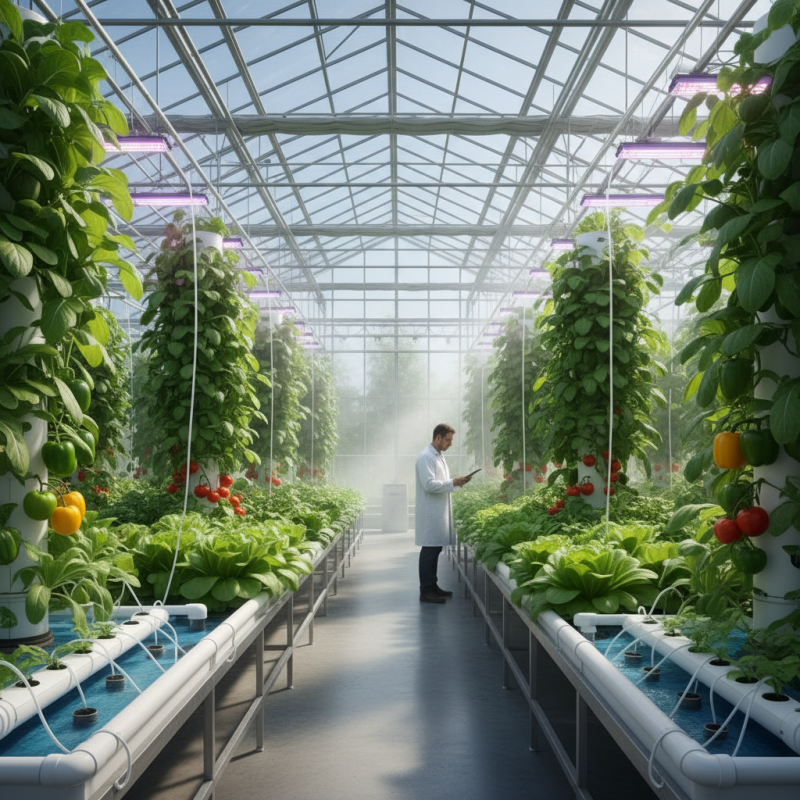
Understanding Hydroponics: A Beginner's Guide to Soil-less Gardening
Hydroponics offers a unique way to grow plants without soil. In a hydroponic system, plants get nutrients from water mixed with minerals. This method can lead to faster growth and higher yields. However, beginners often find it overwhelming. The initial setup can be costly, and the learning curve might feel steep.
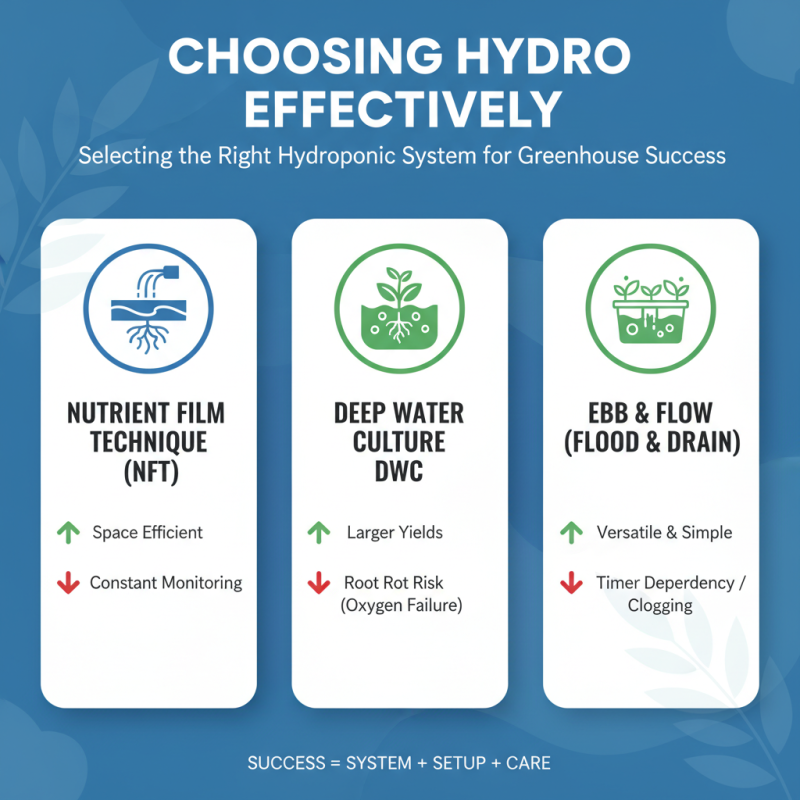
Choosing the right system is crucial. There are various types, like nutrient film technique or deep water culture. Each has its pros and cons. If you make the wrong choice, it can lead to poor plant health. Understanding plant nutrition is essential too. You’ll need to balance the right pH levels and nutrient concentrations. Mistakes here can spoil your harvest.
Pest management is another challenge. Pests can thrive in a controlled environment. Regular monitoring is necessary. Organic solutions might work, while chemical options often feel daunting. Keeping records of your process can help. Review what works and what doesn’t.
Experimentation is part of learning, but not all attempts will yield success. Hydroponics is a journey, not a sprint.
Choosing the Right Hydroponic System for Your Greenhouse Setup
Choosing the right hydroponic system is crucial for greenhouse gardening success. Various systems exist, such as Nutrient Film Technique (NFT), Deep Water Culture (DWC), and Ebb and Flow. Each comes with its pros and cons. NFT is efficient for space but needs constant monitoring. DWC can produce larger yields but might risk root rot if the oxygen supply fails.
Consider your greenhouse size and crop type. For instance, lettuce thrives in NFT but requires careful nutrient management. Research shows that hydroponic systems can yield up to 30% more than traditional soil methods. However, challenges like pH balance and nutrient dosing do arise. Beginners may struggle to find the right balance.
Moreover, climate control plays a significant role. Temperature, humidity, and light affect growth rates. Data indicates that optimal conditions can increase growth speed by 50%. Yet, many gardeners overlook this aspect. Maintaining the right environment often proves to be more challenging than expected. Regular adjustments and accurate data logging are vital.
Essential Nutrients for Healthy Plant Growth in Hydroponics
In hydroponics, essential nutrients play a vital role in plant health. These include nitrogen, phosphorus, potassium, calcium, magnesium, and sulfur. Each element contributes uniquely to growth. For example, nitrogen promotes leaf development, while phosphorus enhances root growth and flowering.
Monitoring nutrient levels is crucial yet challenging. An imbalance can lead to nutrient deficiency or toxicity. For instance, too much nitrogen can stunt growth, while a shortage can cause yellow leaves. Understanding the right proportions is key. Use a reliable nutrient solution but remain open to adjusting based on plant responses.
Water quality also affects nutrient absorption. pH levels should be between 5.5 and 6.5 for optimal nutrient uptake. Any fluctuation can stress plants. Regular testing is necessary. Don't be discouraged by mistakes. Each growing cycle offers lessons. Reflect on what works and what doesn’t. Adapting is part of the process.
Maintaining Optimal Environmental Conditions in a Hydroponic Greenhouse
Maintaining optimal environmental conditions in a hydroponic greenhouse is crucial for plant health and growth. Temperature control is essential. Ideal temperatures range from 65 to 75 degrees Fahrenheit. Monitor day and night temperatures carefully. High humidity can promote mold and pests. Use dehumidifiers as needed. Keep humidity levels around 50-70%.
Light is another vital factor. Bright, even light helps plants photosynthesize efficiently. Consider the placement of grow lights. Adjust the duration based on the type of plants. Some may thrive with 12 hours of light, while others need 16. Ventilation is often overlooked. Ensure there is proper airflow to prevent heat buildup. Fans can enhance circulation but need to be strategically placed.
Water quality and nutrient balance also matter. Test the pH regularly. An ideal range is between 5.5 and 6.5. Track nutrient levels; too much or too little can harm plants. Imitating nature can be challenging. Some plants may not respond as expected. It's okay to experiment and learn from mistakes. Hydroponics requires patience and constant observation.
Common Challenges in Hydroponics and How to Overcome Them
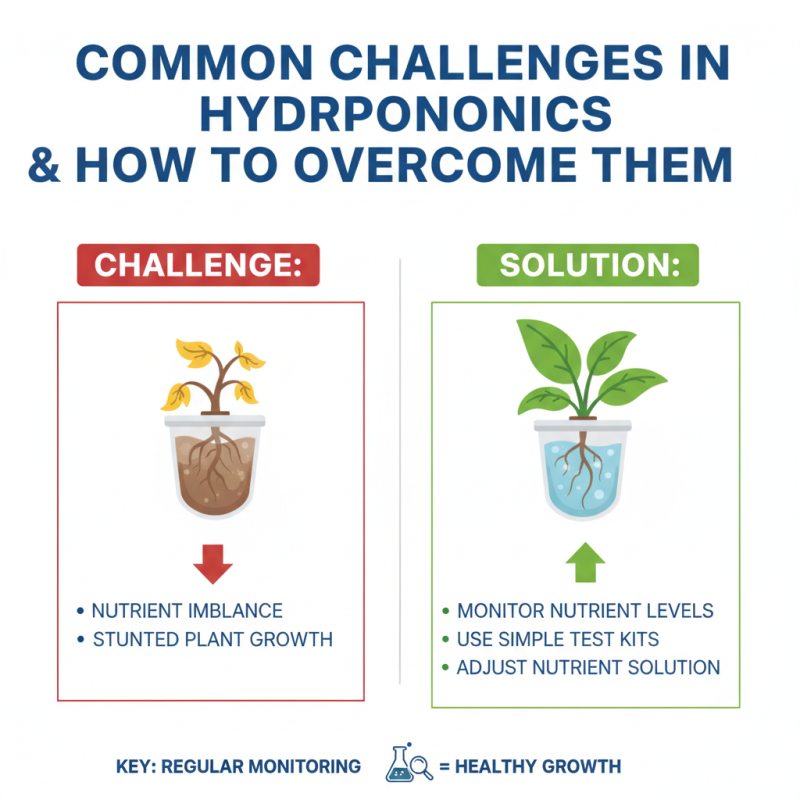
Hydroponics can transform gardening, but it has challenges. One common issue is nutrient imbalance. This can lead to stunted plant growth. It’s vital to monitor nutrient levels regularly. Simple tests can help you keep track of what your plants need. Adjusting the nutrient solution may take time, but it’s essential for healthy growth.
Another significant challenge is pests. Pests can invade your greenhouse quickly. Prevention is more effective than dealing with an outbreak. Regularly inspect your plants and maintain cleanliness. Sometimes, plants may still show signs of infestation despite your best efforts. If pests appear, act promptly. Use organic methods for safe control.
Environmental factors can also impact success. Temperature swings cause stress for plants. Ideally, maintain a stable environment. Keep an eye on humidity levels too. Ideal humidity can vary but should stay within a comfortable range. Reflecting on these factors can guide you toward better practices. Balancing tips with personal observation is key to improvement.