10 Essential Tips for Setting Up a Successful Nursery Greenhouse
Establishing a successful nursery greenhouse can be a rewarding venture. According to the 2022 National Nursery Survey, the U.S. greenhouse and nursery industry generated over $16 billion in sales. This figure reflects the increasing demand for plants, which can be cultivated in a controlled environment. Proper planning is essential for maximizing profitability and efficiency.
Creating a nursery greenhouse requires attention to detail. Location matters; the best spots usually have adequate sunlight and good drainage. Specific equipment, such as heating systems and irrigation methods, must be chosen wisely. On average, a well-designed nursery greenhouse can increase plant growth rates by 30%. Yet, many new growers overlook maintenance, which can lead to issues like pests or diseases.
Challenges also arise in choosing the right crops. Some plants thrive better than others in a greenhouse setting. Market preferences can change quickly, so adaptability is vital. Establishing a feedback loop with customers may help refine offerings. Making these adjustments can be daunting, but it is crucial for achieving long-term success in the nursery greenhouse industry.
Understanding the Importance of a Nursery Greenhouse
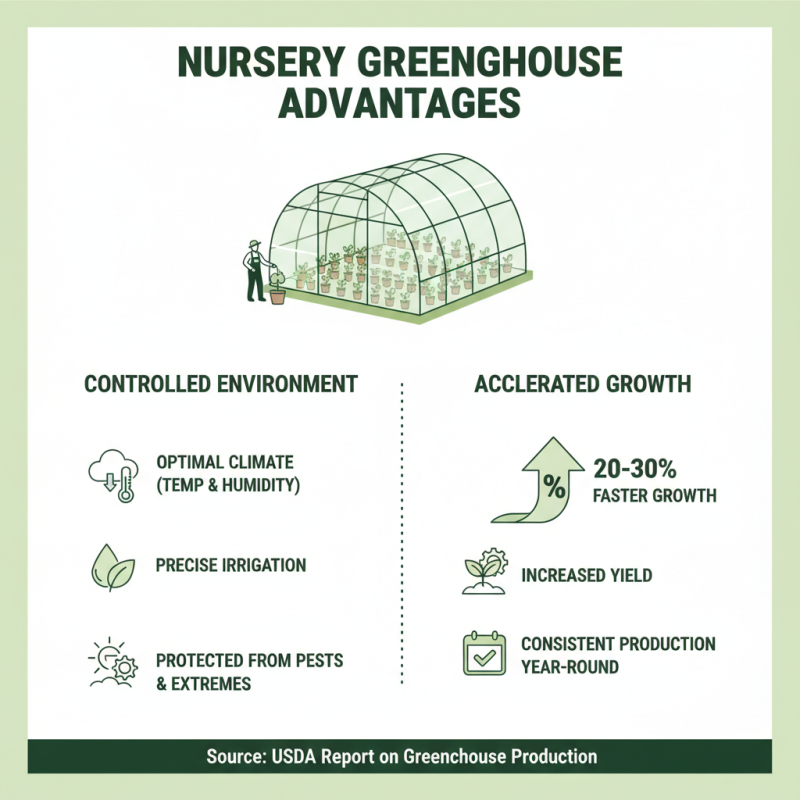
A nursery greenhouse plays a crucial role in the cultivation of plants. It provides a controlled environment essential for growth. According to a report by the USDA, greenhouse production can increase growth rates by 20-30% compared to traditional methods. This is significant for anyone looking to maximize their yield.
Creating a nursery greenhouse allows for better management of temperature, humidity, and light. On average, a well-designed greenhouse can save up to 50% on energy costs. This efficiency is vital in a time when energy prices fluctuate. However, not all setups guarantee success. Poor ventilation, inadequate space, or improper watering can stunt plant growth.
Understanding how to set up a greenhouse is essential. It is more than just a structure; it is a living ecosystem. Many cultivators overlook soil quality, yet up to 40% of plant diseases stem from compromised soil. Addressing these details offers room for improvement. The right balance of elements can significantly enhance plant health and productivity.
Choosing the Right Location for Your Greenhouse
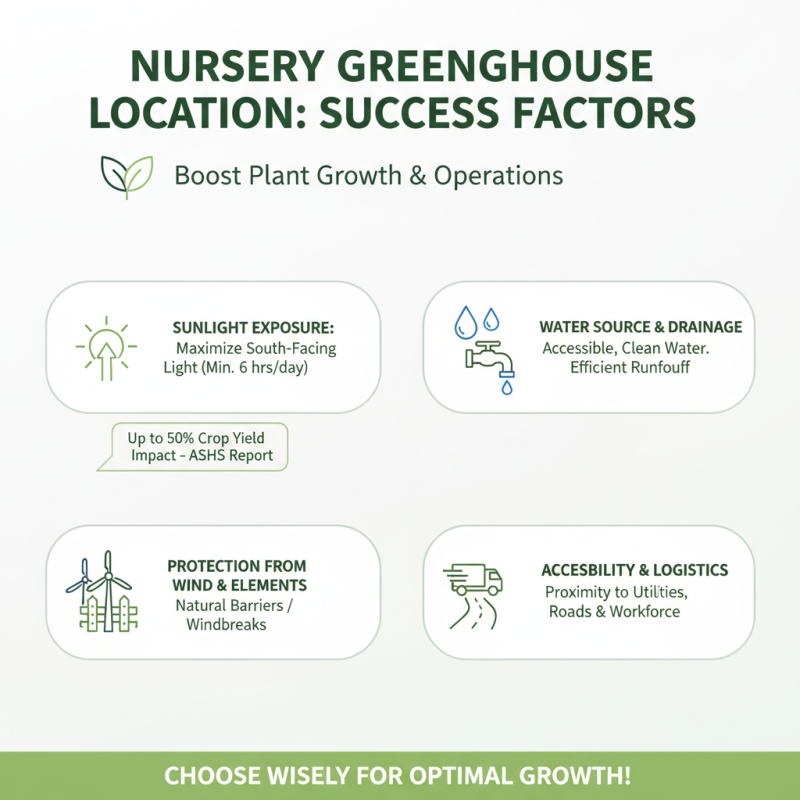
Choosing the right location for your nursery greenhouse is vital for success. A well-placed greenhouse can boost plant growth and enhance your operations. According to a report by the American Society for Horticultural Science, greenhouse location influences up to 50% of crop yield. This highlights the importance of careful consideration.
Consider sunlight exposure. Ideally, your greenhouse should receive at least six hours of direct sunlight daily. Too much shade can stunt growth, while excessive sunlight can lead to overheating. Evaluate nearby structures and trees. They may cast shadows, affecting light levels.
Air circulation is another critical factor. Poor airflow can lead to disease and pest issues. Position your greenhouse away from windbreaks, such as tall fences or buildings. A good tip is to observe prevailing winds. Use this information to orient your greenhouse strategically.
Finally, assess access to water and utilities. Efficient watering systems can save time and labor. A study by the International Society of Horticultural Science shows that consistent watering results in healthier plants. A poorly located greenhouse may face logistical challenges. Keep these aspects in mind to avoid future problems.
Essential Equipment and Materials for Starting Out
Setting up a nursery greenhouse requires the right equipment and materials. The first essential item is a greenhouse structure. This can be a simple hoop house or a more robust polycarbonate structure. Ensure it has proper ventilation to regulate temperature. You might forget to consider air circulation, which can lead to fungal issues.
Next, quality soil and growing mediums are crucial. They should retain moisture yet drain well. Mixing components like perlite or vermiculite can enhance soil aeration. You might also need various pots and trays for seedlings. Their sizes can affect growth and transplanting later on. Don't overlook labels for your plants; they help keep track of what's what.
Watering systems should not be ignored. Hand watering can be inconsistent. Think about drip irrigation systems to maintain steady moisture levels. Additionally, lighting is vital for plant growth; natural sunlight is great but may not be enough in winter. Using grow lights can be a game changer. Finally, make a checklist to avoid missing these essentials. Forgetting one item can cause delays in your nursery's development.
Effective Climate Control and Ventilation Techniques
Effective climate control is vital for a thriving nursery greenhouse. The right temperature can boost plant growth significantly. Research shows that plants grow optimally between 65°F and 75°F (18°C to 24°C). Going outside this range can lead to stress. Stress affects growth and yields, which can harm your operation.
Ventilation is another critical factor. Proper airflow prevents mold and pests. It is often overlooked. Without adequate ventilation, humidity can stagnate. Humidity levels should ideally be at 50-70%. Too much moisture invites disease, which is a common issue for new growers. A simple fan system can help manage airflow effectively, but it may need adjustments based on local weather conditions.
Temperature fluctuations can occur. Inconsistent conditions can lead to slower growth rates. Collecting data during different seasons can help identify patterns. Don't hesitate to make changes. Installing shade cloths or using thermal mass for temperature regulation can create a more stable environment. Keep evaluating what works best for your climate zone. This is a continuous learning process.
Best Practices for Plant Care and Maintenance in the Greenhouse
To maintain a thriving nursery greenhouse, regular plant care and maintenance are essential. Watering should be consistent, yet it’s important not to overwater. Root rot can develop quickly. Aim for moist, not soggy, soil. Check moisture levels frequently; use your finger to gauge soil dryness.
Temperature regulation is key. Plants prefer a stable environment. Consider using fans or heaters to maintain optimal levels. Space plants to allow for airflow. This reduces the risk of disease. Also, observe for any pests daily. Early intervention can save your plants from severe damage.
Fertilizing your plants is another critical task. Use an organic fertilizer and avoid over-fertilization. Burned leaves are a common mistake. You might feel overwhelmed, and that's okay. Not every plant thrives, and it's essential to learn from those experiences. Keep a journal to track plant health and adjustments. It will guide your future decisions in the greenhouse.