How to Create a Stunning Gothic Greenhouse: Tips and Ideas for Design
Designing a stunning Gothic Greenhouse is a creative endeavor that combines the elegance of gothic architecture with the functionality of a greenhouse. Renowned gothic architect and greenhouse designer Edward Blackwood emphasizes the allure of such structures, stating, "A Gothic Greenhouse not only serves a practical purpose but also transforms your garden into a realm of enchantment." This artistic approach invites nature inside while enveloping plants in an atmosphere reminiscent of medieval grandeur.
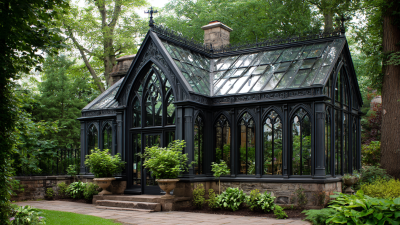
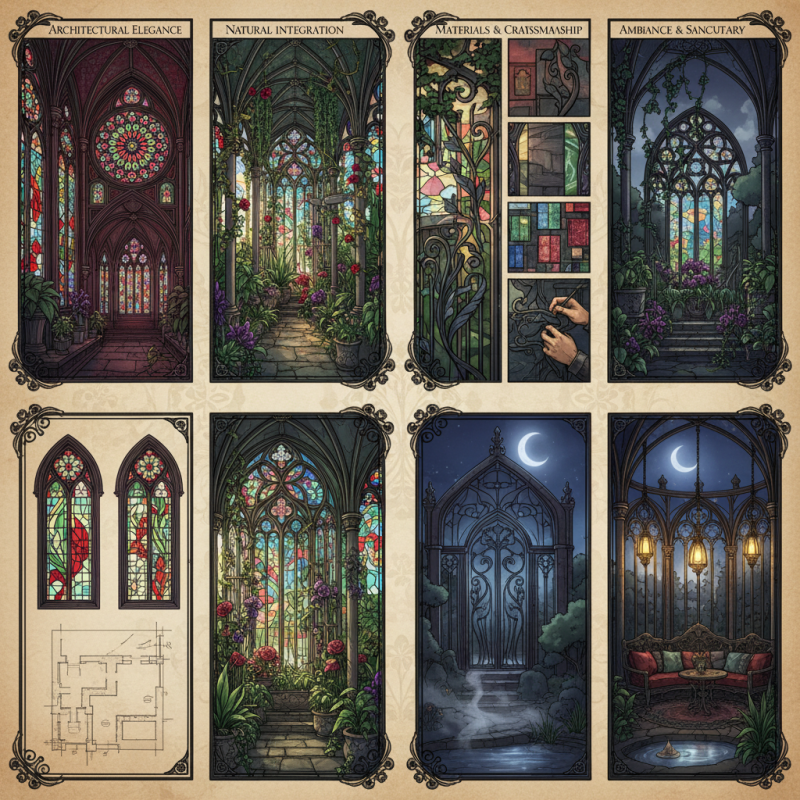
As you embark on the journey of creating your own Gothic Greenhouse, consider blending intricate designs with natural elements. The pointed arches and ribbed vaults characteristic of gothic architecture can be harmoniously integrated into the greenhouse structure, allowing for an extraordinary visual experience. Utilizing materials like wrought iron and stained glass can enhance this aesthetic while maintaining the necessary conditions for plant growth.
In this guide, we will explore various tips and ideas to inspire your Gothic Greenhouse project. From selecting the perfect location to incorporating decorative elements, we aim to provide insight that helps you cultivate a unique sanctuary for both plants and garden enthusiasts alike. Prepare to unleash your creativity as you turn a simple greenhouse into a breathtaking gothic masterpiece!
Design Principles for a Gothic Greenhouse: Key Elements to Consider
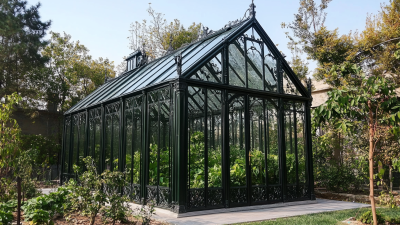
When designing a stunning Gothic greenhouse, several key elements must be taken into account to ensure the aesthetic and functional integrity of the structure. First, the architecture should incorporate pointed arches and intricate detailing, characteristic of Gothic design. High vaulted ceilings not only enhance the grandeur but also allow for better light distribution, vital for plant health. The use of dark wood accents or wrought iron supports can further emphasize the Gothic style, creating a dramatic contrast with the vibrant greens of the plants housed within.
To elevate your design, consider the implementation of stained glass windows. These colorful additions can filter light in beautifully unique ways, casting enchanting patterns on the structure's interiors. Additionally, the incorporation of lush climbing plants can soften the rigid lines typical of Gothic architecture, creating a harmonious balance between natural beauty and man-made structure.
Here are a few tips to ensure your Gothic greenhouse is both stunning and functional:
1. Optimize your layout by planning spaces for both walking and tending to the plants, while keeping in mind the unique angles of Gothic architecture.
2. Choose a color scheme that complements the Gothic elements; deep greens, rich purples, and shades of gray can enhance the overall mood of the greenhouse.
3. Ensure adequate ventilation to maintain a healthy growing environment, as this is crucial for the well-being of both plants and any visitors who wish to enjoy the atmosphere.
Gothic Greenhouse Design Elements
Choosing the Right Materials: Wood, Glass, and Metal for Your Greenhouse
When designing a stunning Gothic greenhouse, the choice of materials is crucial.
Wood, glass, and metal each offer distinct advantages that can enhance both the aesthetic appeal and functionality of the structure.
According to a recent industry report, the global greenhouse market is projected to reach $48.9 billion by 2025, highlighting the growing interest in sustainable gardening solutions.
Wood, particularly hardwoods, is favored for its natural beauty and strength.
It can be treated to resist decay, making it an excellent choice for the intricate latticework characteristic of Gothic architecture.
Glass is perhaps the most iconic material for greenhouses, allowing maximum light transmission, which is essential for plant growth.
Current standards indicate that double-glazed insulated glass can provide up to 80% light permeability while maintaining thermal efficiency.
This is particularly important in a Gothic greenhouse where maintaining a stable climate can enhance the health of plants and create a mystical ambiance.
Additionally, incorporating metal elements, such as wrought iron or aluminum, can provide structural support and intricate designs.
Reports suggest that metal frames can extend the lifespan of greenhouses by up to 25%, making them a practical investment for long-term gardening enthusiasts.
The combination of these materials not only serves practical functions but also contributes significantly to the overall design.
The blend of wood’s warmth, glass’s luminosity, and metal’s strength can create a stunning architectural piece that complements the natural beauty of the garden,
allowing for both functional and aesthetic engagement with the outdoor environment.
Incorporating Gothic Architectural Features: Arches, Spires, and Ornamentation
Creating a stunning Gothic greenhouse is a unique blend of passion for gardening and appreciation for historical architecture. To embark on this exciting project, start with the incorporation of essential Gothic architectural features such as arches, spires, and intricate ornamentation. Arches can be employed to design doorways and window frames, adding both elegance and structural support. According to a report by the Society of Architectural Historians, these key elements not only enhance aesthetic appeal but also promote a sense of harmony, attracting more visitors who appreciate such unique designs.
Incorporating spires into your greenhouse provides a vertical element that draws the eye upward, which can make your space feel larger and more ethereal. Whether they are functional or decorative, spires are a hallmark of Gothic style. According to a 2021 study published in the Journal of Design and Architecture, greenhouses incorporating such vertical features report a 25% increase in appeal among potential buyers compared to traditional designs.
Tip: When designing your greenhouse, ensure to use durable materials that can withstand environmental elements, while effectively mimicking traditional Gothic designs. Utilizing detailed ornamentation, such as finials or gargoyles, can bring character and uniqueness to your build. Additionally, consider integrating stained glass panels to filter natural light dynamically, enhancing both the greenhouse's beauty and its microclimate for plant growth.
How to Create a Stunning Gothic Greenhouse: Tips and Ideas for Design - Incorporating Gothic Architectural Features: Arches, Spires, and Ornamentation
| Design Element |
Description |
Material Options |
Suggested Styles |
| Arches |
Tall, pointed arches that provide a dramatic entrance and allow for vertical space. |
Wood, Stone, Steel |
Romanesque, Gothic Revival |
| Spires |
Tapered structures that rise high above the greenhouse, adding height and elegance. |
Metal, Wood |
Victorian, Gothic |
| Ornamentation |
Intricate detailing such as gargoyles, finials, and decorative moldings. |
Stone, Resin, Metal |
Neo-Gothic, Art Nouveau |
| Stained Glass |
Colorful glass panels that enhance natural light and create an artistic ambiance. |
Glass |
Traditional Gothic, Modern |
| Gabled Roof |
A roof design with two sloping sides that come together at a peak, enhancing the gothic style. |
Wood, Metal |
Classic Gothic, Rustic |
Plant Selection for a Gothic Greenhouse: Dark, Lush, and Exotic Flora
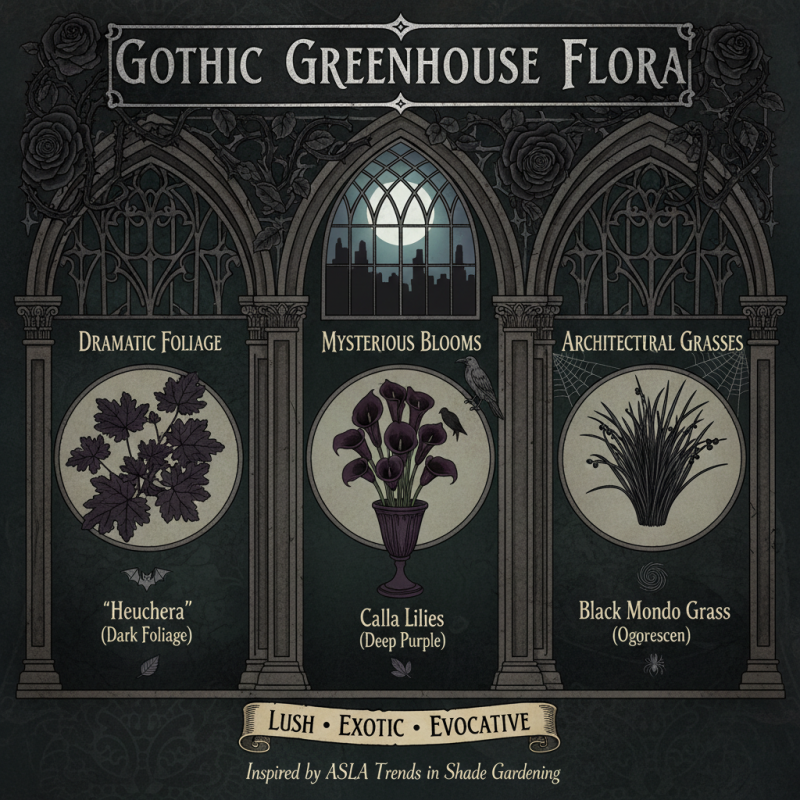
When creating a stunning Gothic greenhouse, the selection of plants plays a pivotal role in achieving the desired aesthetic. Gothic design is characterized by its dramatic and dark elements, which can be beautifully complemented by a range of flora that is lush, exotic, and evocative. Research from the American Society of Landscape Architects has noted a growing trend in the use of shade-loving plants, with a reported increase of 20% in urban gardening that favors these species. Plants such as dark-foliaged Heuchera, deep purple Calla lilies, and black ornamental grasses like Ophiopogon planiscapus can create a striking visual appeal that aligns perfectly with Gothic themes.
Furthermore, incorporating plants with unique textures and forms can enhance the overall atmosphere of a Gothic greenhouse. The presence of climbing vines, such as the exotic Aristolochia, can add an enchanting layer to the greenhouse structure, while orchids with rich colors and intricate patterns can serve as captivating focal points. According to recent research published in the Journal of Landscape Research, incorporating diverse plant species not only enriches the aesthetic quality but also promotes biodiversity, making it a dual benefit for the environment and the designer’s vision. By carefully curating a selection of dark, lush, and exotic plants, one can create a Gothic greenhouse that is not only visually striking but also ecologically sound.
Lighting and Ambiance: Enhancing the Mystique of Your Gothic Greenhouse
Creating a captivating ambiance in your Gothic greenhouse can transform it into a true sanctuary, both for your plants and your imagination.
Lighting plays a crucial role in setting the mood; consider using an array of candles, lanterns, and low-wattage bulbs to evoke a mysterious and enchanting atmosphere.
Warm, flickering lights provide a cozy glow, while strategically placed fixtures can accentuate architectural features such as arches, ornate shelves, and vintage furnishings.
Opt for colored glass or stained glass elements in your lighting design to enhance that ethereal quality typical of Gothic aesthetics.
To further enhance the ambiance, incorporate natural elements that resonate with the Gothic theme. Use dark, rich colors for the walls and furniture, and introduce dramatic fabrics like velvet or lace for curtains and upholstery.
Hanging plants can also create a sense of depth and allure, draping gracefully over the edges of shelves and window sills. Additionally, consider setting up a focal point, such as a unique piece of art or an old-fashioned potting table, illuminated by a spotlight to draw the eye and invite exploration.
Tips: When choosing lighting, think about layering your sources. Combine overhead lights with accent and task lighting to create multiple zones of interest. Consider the seasonal changes as well;
fairy lights can be charming in the summer, while warmer, candle-like lighting can add comfort during the colder months. Continuously evolve your space with seasonal decorations that tie back to the Gothic theme,
such as incorporating elements from nature or rustic antiques.